In a groundbreaking leap for biotechnology, Dallas-based Colossal Biosciences has stunned the world by announcing the successful de-extinction of the dire wolf, a majestic predator extinct for over 12,500 years. Today’s revelation of three dire wolf pups (i.e: Romulus, Remus, and Khaleesi) marks a monumental achievement, showcasing the extraordinary power of genetic technologies and their potential to reshape ecological preservation.
This isn’t just a scientific milestone, it’s a game-changer for conservation and a testament to how far humanity has come in creating life on Earth.
A Legendary Comeback: What is the Dire Wolf?
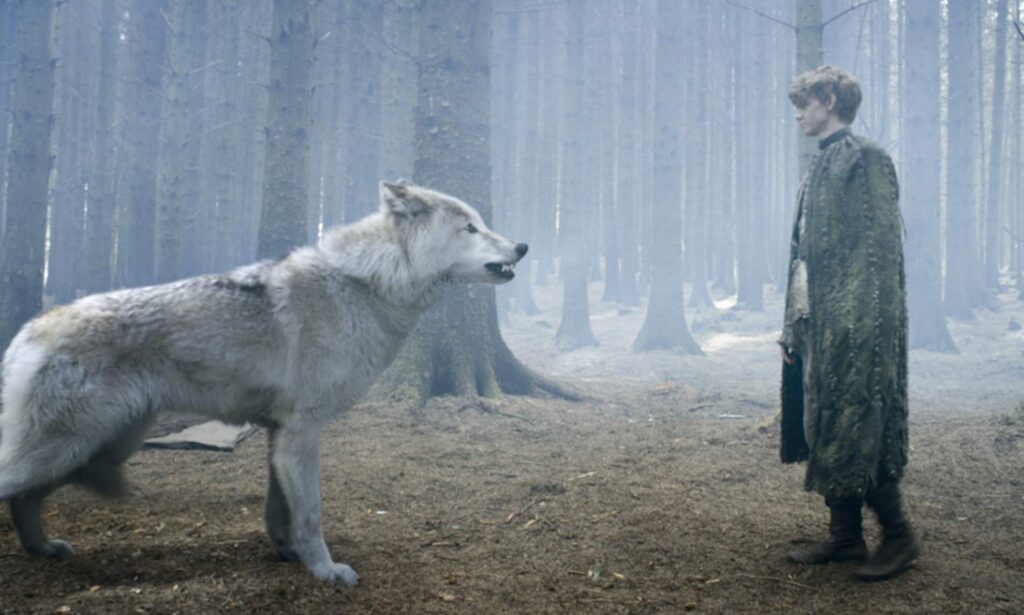
The dire wolf (*Aenocyon dirus*), immortalized in HBO’s *Game of Thrones*, once roamed North America alongside prehistoric giants like mastodons and bison. Larger and more muscular than today’s gray wolf, this apex predator weighed up to 150 pounds and thrived for over 2 million years before vanishing at the end of the last Ice Age.
Known for its powerful jaws and imposing stature, the dire wolf’s extinction left a void in ecosystems until now. Colossal Biosciences has breathed new life into this iconic species, merging ancient DNA with cutting-edge science.
How Colossal Did It: The De-Extinction Process Unveiled
Colossal’s feat didn’t happen overnight, it’s the result of years of pioneering biotechnology. This is how they pulled off the impossible
1. Ancient DNA Extraction
The team sourced genetic material from two dire wolf fossils which was a 13,000-year-old tooth from Ohio and a 72,000-year-old skull from Idaho. These samples, preserved for millennia, provided the blueprint for the dire wolf genome.
2. Gene Editing with CRISPR
Using the gray wolf which is genetically 99.5% similar to its extinct cousin, as a base, Colossal’s scientists employed CRISPR technology to edit key genes. They targeted 20 edits across 14 genes, including the critical LCORL gene, which regulates body size and growth. This transcription factor, binding over 1,200 times in the wolf genome, was tweaked to restore the dire wolf’s towering stature.
3. Non-Invasive Cloning Breakthrough
Traditional cloning methods risked immune system failure, but Colossal innovated this by extracting Endothelial Progenitor Cells (EPCs) from gray wolf blood samples (The Blood Draw Method). These rare cells were gene-edited and cloned, then implanted into surrogate hound dogs. After 65-day gestations, Romulus and Remus were born via cesarean on October 1, 2024, followed by Khaleesi on January 30, 2025.
The result? Three healthy pups now thriving in a secure 2,000-acre preserve in the northern U.S., their white coats and muscular builds representing their ancient ancestors.
A Biotechnology Revolution: Beyond De-Extinction
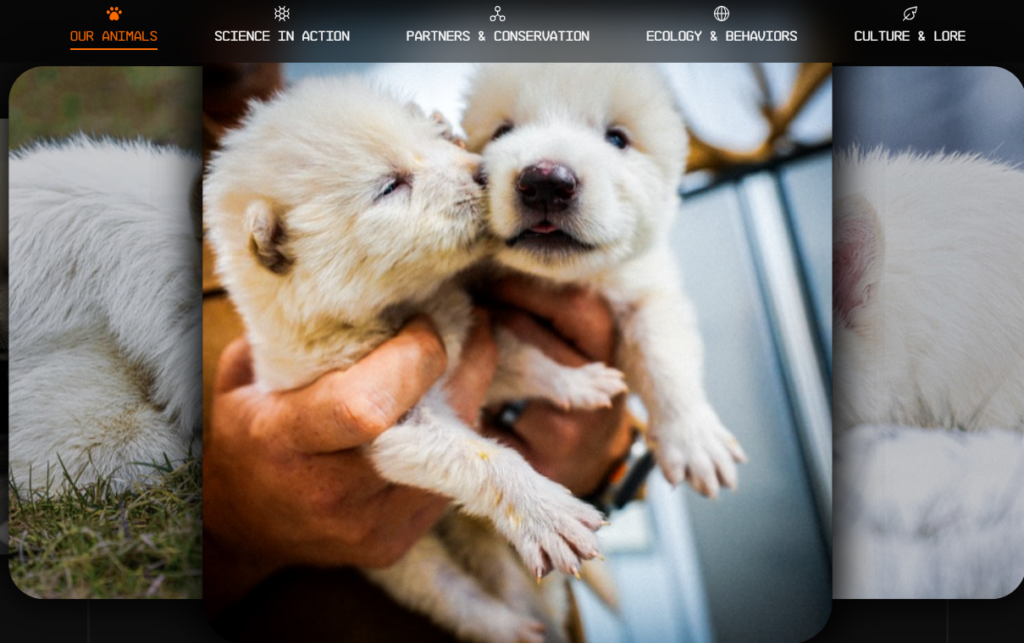
Today’s dire wolf announcement isn’t just about reviving a lost species…..it’s a beacon of hope for conservation. Colossal Biosciences is harnessing these genetic tools to transform how we protect endangered species. From restoring genetic diversity in inbred populations to engineering disease resistance, their technologies promise to accelerate the recovery of species that are on the edge of extinction.
Imagine cloned red wolves that is another success from Colossal’s labs (repopulating forests, or endangered amphibians gaining immunity to deadly fungi). This is biotechnology rewriting the future of ecological life.
CEO Ben Lamm calls it “magic unveiled,” stating, “Our team took DNA from fossils and made healthy dire wolf puppies. This proves de-extinction technologies can reshape conservation.” Chief Science Officer Beth Shapiro adds, “These advancements will speed up adaptation for species in rapidly changing habitats.”
Dire Wolves and Deer: An Ecological Balancing Act
The return of the dire wolf could have ripple effects beyond the lab. Overpopulated deer herds wreak havoc on agriculture, costing farmers millions annually, $15 million in New Jersey, $20 million in Pennsylvania corn, and $15 million in soybeans. Predators like wolves naturally regulate these populations, reducing crop damage and restoring ecological balance. While Colossal’s pups currently live in captivity, their reintroduction could one day ease the economic burden on farming communities, proving that de-extinction is not just nostalgic, it’s practical.
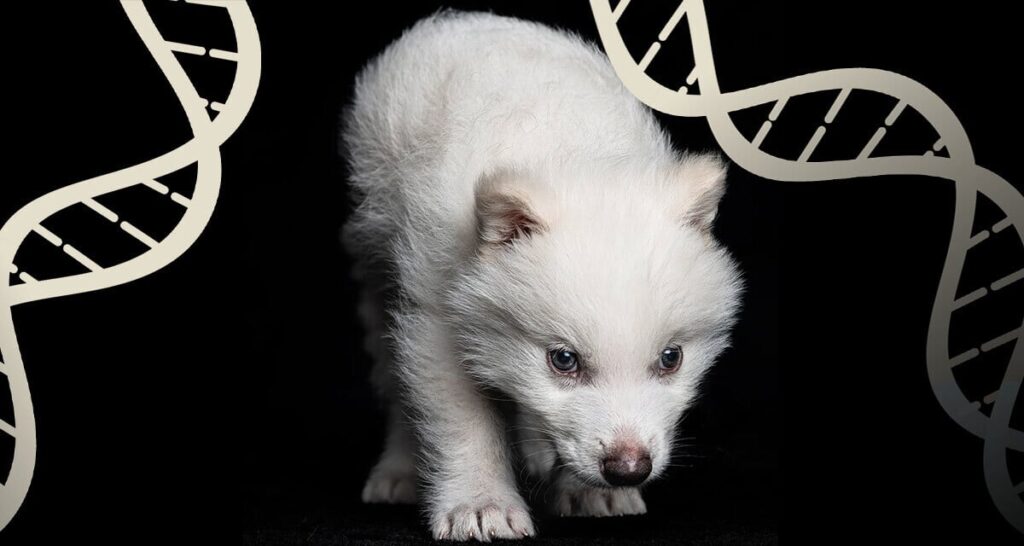
The Pups: Romulus, Remus, and Khaleesi, the Stars of this Scientific Saga
- Romulus and Remus: Six-month-old males, already tipping the scales at 80 pounds, with thick white fur and powerful frames.
- Khaleesi: A two-month-old female, named after the *Game of Thrones* queen, incarnating the fiery spirit of her prehistoric enemy.
Housed in a state-of-the-art preserve certified by the American Humane Society, these pups are the first of their kind in over 10,000 years. Their howls, captured in viral videos, are a haunting reminder of a lost world brought back to life.
Final Thoughts
Valued at $10.2 billion, the Dallas firm is proving that biotechnology can transcend imagination, offering tools to preserve biodiversity and combat ecological crises.
From the *LCORL* gene’s role in resizing wolves to non-invasive EPC cloning, these innovations signal a future where extinction isn’t forever. As Colossal eyes the woolly mammoth and Tasmanian tiger next, the message is clear: humanity’s reach in preserving life has never been greater.
If you liked exploring this blog article, Follow Notifire on Instagram and Facebook for more such exciting announcements around the world!