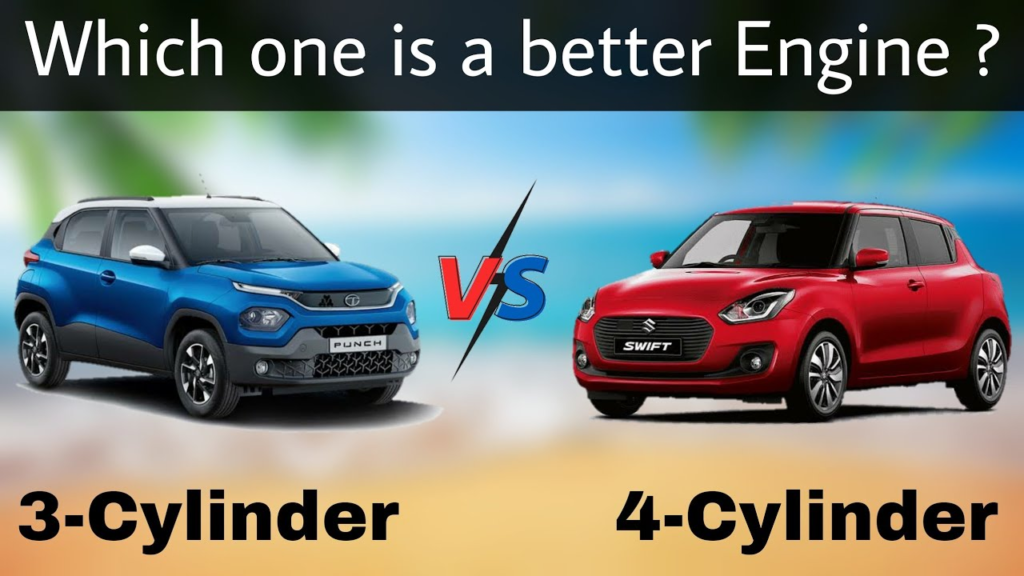
When choosing a car, one of the key decisions a buyer faces is selecting the right engine. Among the popular options are 3-cylinder and 4-cylinder engines. These engines are widely used in small to mid-sized cars and have distinct characteristics that affect performance, fuel efficiency, and driving experience. This blog post delves into the major differences between 3-cylinder and 4-cylinder engines and helps you decide which one might be better for your needs.
Understanding Engine Configurations
3-Cylinder Engines
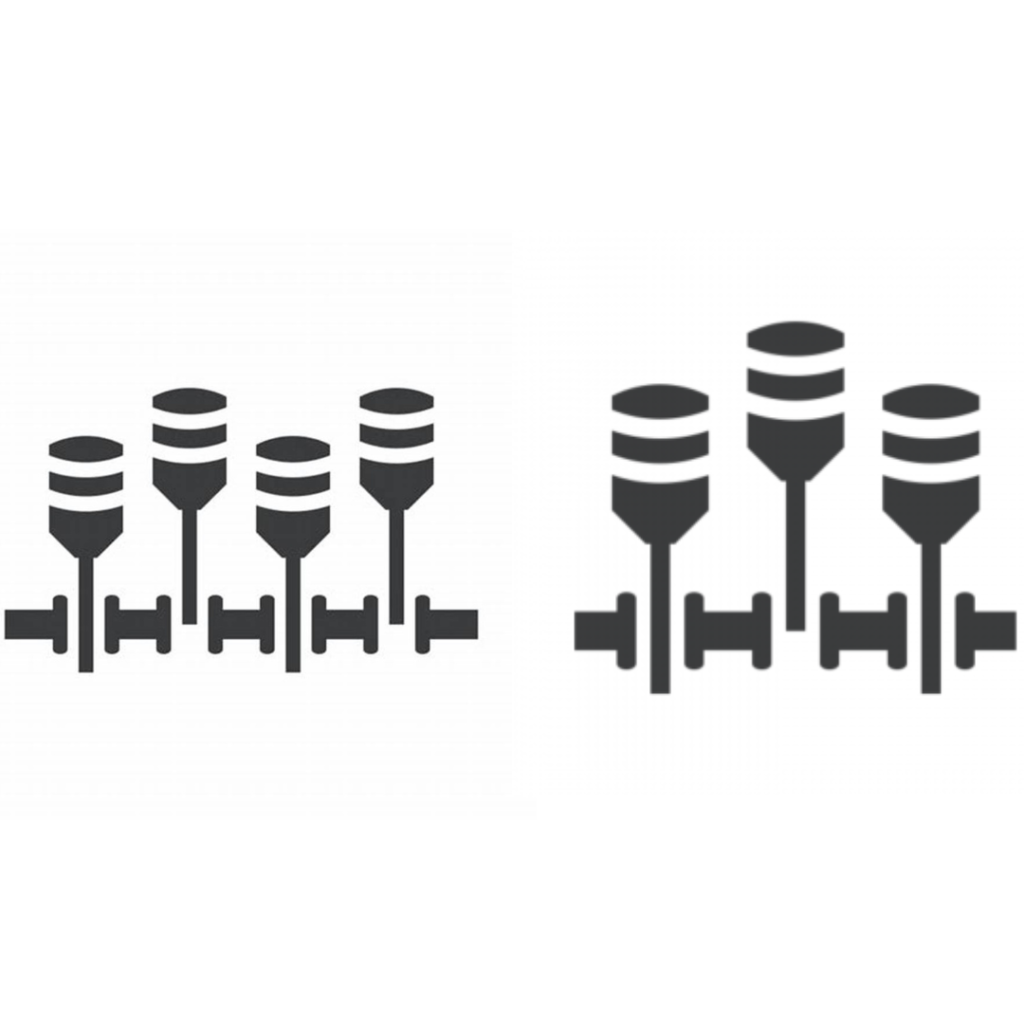
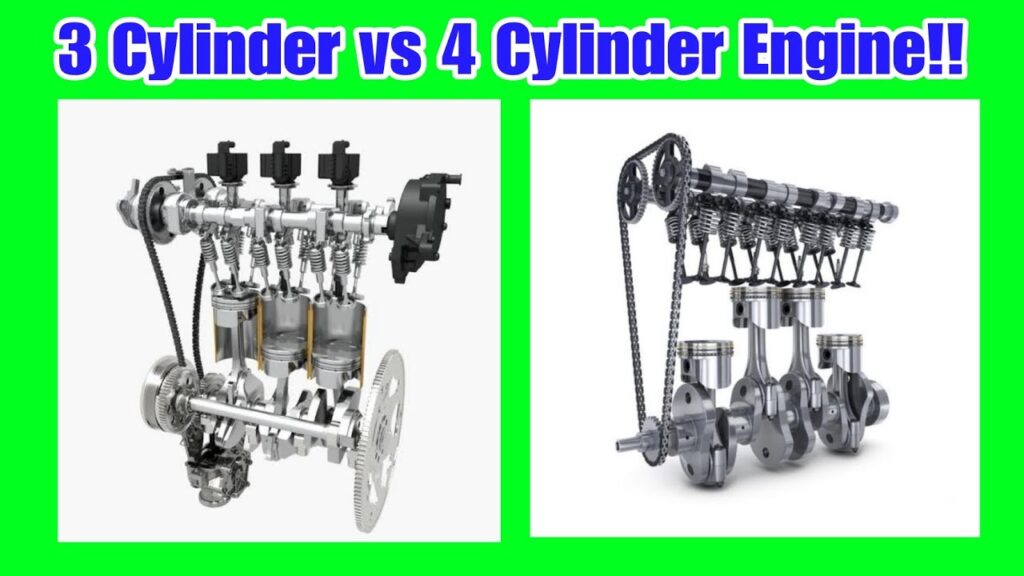
A 3-cylinder has three cylinders arranged either in a straight line or in a triangular pattern. This configuration is typically smaller and lighter than a 4-cylinder, leading to benefits in terms of fuel efficiency and weight distribution. Due to having fewer moving parts, 3-cylinder engines can be cheaper to produce and maintain.
4-Cylinder Engines
A 4-cylinder engine, often arranged in a straight line (inline-4), is the most common configuration in the automotive industry. With four cylinders working together, these engines provide a balanced blend of power, efficiency, and smoothness. They are slightly larger and heavier than their 3-cylinder counterparts, but they offer more stability and generally smoother operation.
Major Differences Between 3-Cylinder and 4-Cylinder Engines
Power and Performance
One of the primary differences between 3-cylinder and 4-cylinder engines is the level of power they can produce. Generally, a 4-cylinder produces more power than a 3-cylinder because they have an extra cylinder contributing to the combustion process. This means more energy is generated, leading to higher horsepower and torque figures.
However, advancements in technology have allowed manufacturers to extract impressive power from 3-cylinder engines. Turbocharging, direct fuel injection, and variable valve timing can significantly enhance the power output of a 3-cylinder engine, sometimes allowing it to compete closely with a naturally aspirated 4-cylinder engine.
Smoothness and Vibration
4-cylinder engines are inherently more balanced than 3-cylinder engines due to the even number of cylinders. This balance reduces engine vibrations, leading to a smoother driving experience. The imbalance in a 3-cylinder engine can cause more noticeable vibrations, especially at idle or lower RPMs. Automakers use various techniques, such as counterbalance shafts and mounts, to minimize these vibrations, but they are often still more noticeable than in a 4-cylinder.
Fuel Efficiency
3-cylinders typically offer better fuel efficiency compared to 4-cylinders. The reduced number of cylinders means there is less internal friction and lower overall weight, contributing to less fuel consumption. This makes 3-cylinder engines an excellent choice for city driving or for buyers prioritizing fuel economy over performance.
4-cylinder engines, while slightly less fuel-efficient than their 3-cylinder counterparts, still offer commendable fuel economy, especially with modern fuel-saving technologies. They strike a good balance between power and efficiency, making them versatile for various driving conditions, including highway and mixed-use scenarios.
Cost of Maintenance and Repairs
With fewer parts and a simpler design, 3-cylinder engines can be less costly to maintain and repair than the 4-cylinder ones. However, if the 3-cylinder engine uses advanced technology like turbocharging, maintenance costs could increase. On the other hand, 4-cylinder engines, being more common, may have more affordable parts and widespread mechanic expertise, potentially lowering maintenance costs.
Which One is Better?
Determining which one is better depends on individual needs and priorities.
Choose a 3-Cylinder Engine If:
- You prioritize fuel efficiency and are looking for a car primarily for city driving.
- You want a lighter vehicle with potentially lower maintenance costs.
- You do not require high power output for your typical driving conditions.
Choose a 4-Cylinder Engine If: - You need a more balanced engine with smoother operation and less vibration.
- You are looking for a versatile engine suitable for both city and highway driving.
- You desire more power for acceleration, hill driving, or carrying heavier loads.
Both 3-cylinder and 4-cylinder engines have their unique advantages and drawbacks. A 3-cylinder engine is a great option for those seeking fuel efficiency and lower maintenance costs, making it ideal for urban environments. Meanwhile, a 4-cylinder core provides a smoother, more powerful driving experience, suitable for a broader range of driving conditions. Understanding your driving needs and preferences is key to choosing the right engine for your next car.