Child labour rises past targets
Child labour rises sharply in 2024, reaching 138 million globally, as reported by the International Labour Organization (ILO) and UNICEF. This rise shows that the global community is falling behind in meeting the eliminate child labour goal 2025. The data shows that millions of children are still trapped in labour conditions that prevent them from attending school or living a healthy childhood.
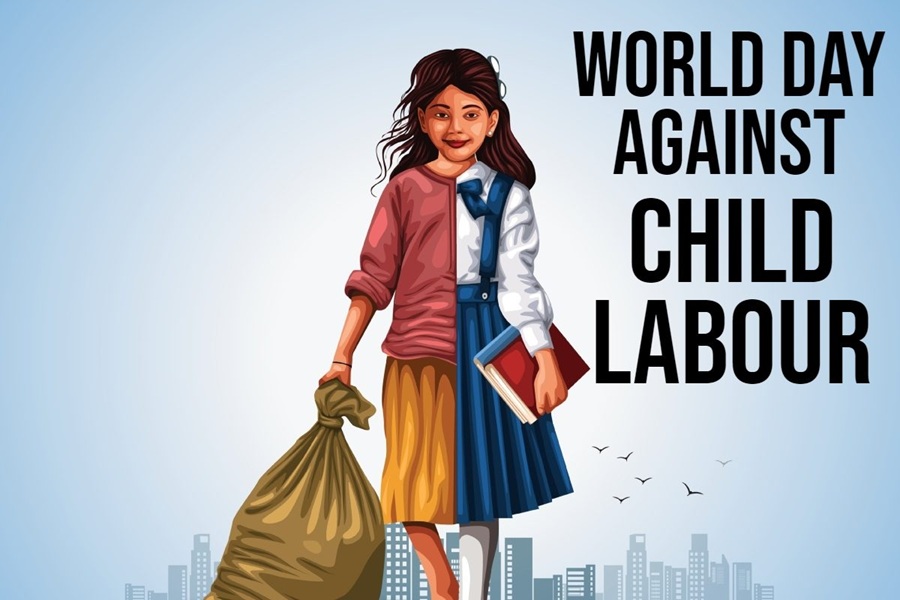
According to the ILO‘s latest findings, the number has increased despite efforts to reduce child exploitation over the past decade. This alarming situation highlights the urgency for stronger measures to reverse the trend.
Child labour in hazardous work
A significant portion of the 138 million child labourers is involved in hazardous child labour. These children are exposed to dangerous conditions that can cause physical and mental harm. According to the Economic Times report, around 87 million children are engaged in work classified as hazardous. This includes work in mines, factories, and environments where they handle harmful substances.
Such forms of child labour not only threaten their safety but also violate international labour laws. Most of these children are working full-time and have no access to education or basic health care.
Child labour highest in Africa
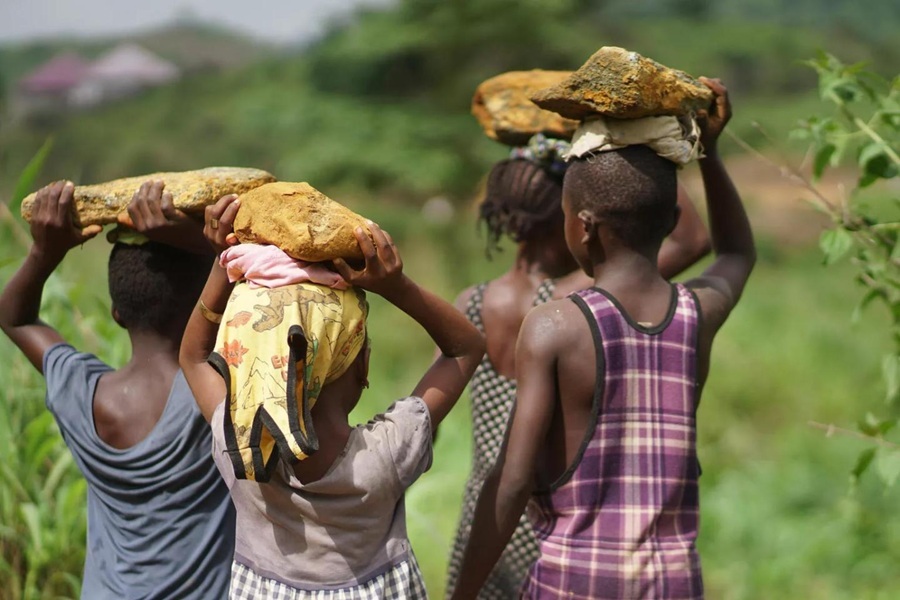
Child labour rises the most in the African region, where nearly one in five children are engaged in labour. Africa remains the region with the highest number of child workers in the world. The ILO data shows that child labour in Africa continues to grow due to poverty, lack of access to education, and weak enforcement of labour laws.
The situation is particularly severe in sub-Saharan Africa. Children as young as five are found working in agriculture, mining, and household work. Despite multiple intervention programs, the numbers remain high and show no signs of improvement.
Child labour in farming sector
The farming industry accounts for the largest share of child labour globally. Over 70% of the 138 million child labourers work in agriculture. This includes activities such as crop harvesting, livestock care, and using sharp tools or chemicals.
The rural economy relies heavily on children, especially in regions with limited access to adult labour. Child labour in the farming sector remains largely informal, making it difficult to monitor or regulate. Many of these children work alongside their families and contribute to household income.
Child labour needs urgent action
As child labour rises, it is clear that existing policies and global efforts need urgent revision. The missed eliminate child labour goal 2025 signals that more effective global collaboration and investment in child welfare is needed.
ILO and UNICEF have called for increased funding, stronger legislation, and more education-focused interventions. The international community is urged to act quickly before more children are pulled into labour. With child labour rising year after year, global systems must prioritize child rights and development.
Follow Notifire for the quick update.