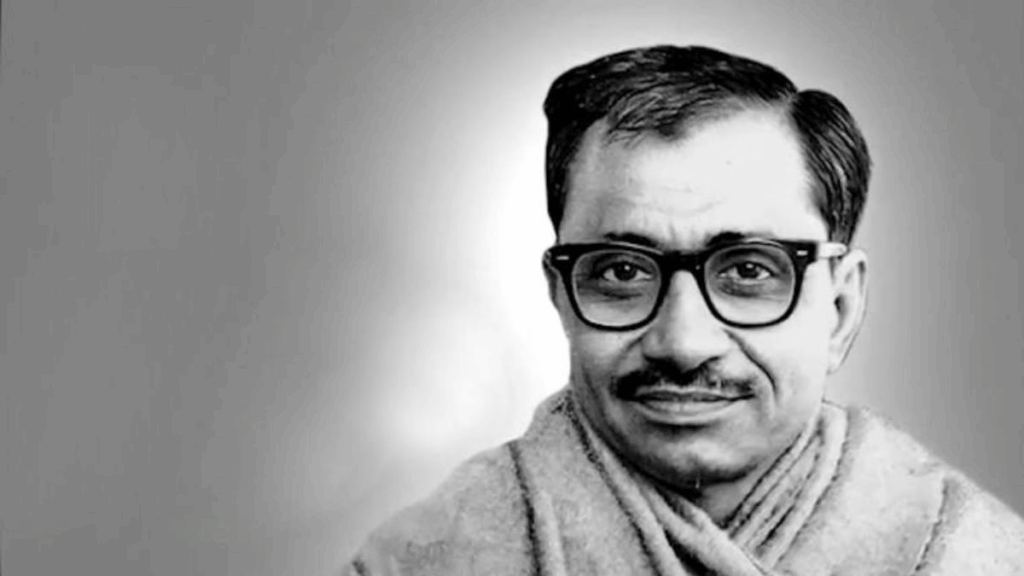
The poverty‑free village scheme, officially named the Pandit Deendayal Upadhyay Poverty Scheme, was launched to transform rural India. Its mission is to empower families living below the poverty line (BPL) by ensuring they access infrastructure, employment, and a better standard of living. The scheme targets entire villages, making them self-reliant and economically secure.
Overview of the Poverty‑Free Village Scheme and Objectives
The main objective of the poverty‑free village scheme is to uplift BPL households by providing them with basic amenities like clean water, electricity, sanitation, and safe housing. The plan also aims to ensure that every member of a BPL family has education, healthcare, and financial inclusion. The ultimate goal is to make villages self-sufficient in terms of food, income, and basic needs.
The scheme focuses on addressing all forms of rural deprivation under one umbrella. By improving living conditions, it also seeks to reduce migration to cities, ensuring that future generations thrive in their own communities.
Financial Allocation and Phase‑1 Coverage
The government has allocated significant funds to roll out Phase 1 of the scheme. Initial funding supports development in hundreds of villages across multiple states. This phase includes building roads, community centers, toilets, piped water lines, and solar lighting.
Every village chosen for Phase 1 will receive a set amount of financial aid for local infrastructure projects. Funds are released directly to gram panchayats, who plan and execute based on village needs.
Support Mechanisms for BPL Families
Support under this poverty‑free village scheme prioritizes BPL family empowerment. Each family receives a customized package that may include:
- A safe and hygienic home with proper sanitation
- Access to electricity and clean drinking water
- Universal healthcare coverage and health insurance
- Financial inclusion like bank accounts and insurance
- School facilities and scholarships for children
These support mechanisms ensure that BPL families are no longer left behind in development.
Role of Skill Training & Livelihood Programs
A key part of the scheme is vocational training and livelihood support. BPL individuals, especially youth and women, are given access to skill development programs in areas like agriculture, tailoring, dairy, solar installation, and IT services.
Villages set up small enterprises and cooperatives to boost local employment. This approach ensures both BPL family empowerment and long-term income generation for rural households.
Learn more about the scheme’s structure and village selection process on GK Today.
Long‑Term Impact on Rural Self‑Reliance
If implemented well, the poverty‑free village scheme can transform rural India. Improved infrastructure, job opportunities, and access to services will lead to reduced poverty and better quality of life.
In the long term, this scheme promotes self-reliance by encouraging villages to maintain asset ownership and local governance. A thriving village economy will lower migration and strengthen national development.
Conclusion:
The Pandit Deendayal Upadhyay Poverty‑Free Village Scheme is a bold and inclusive step towards rural upliftment. With its comprehensive plan, financial investment, and focus on BPL family empowerment, it aims to build sustainable, poverty-free communities across India. This initiative has the potential to create a lasting positive impact on rural self-reliance and national prosperity.
Stay tuned with Notifire for more updates.