India Launches 2025 Rules to deal with contaminated sites and protect public health. This is a big step forward in the country’s environmental protection efforts. The new rules, called the Environment Protection (Management of Contaminated Sites) Rules, 2025, set clear guidelines for how to find, test, and clean polluted land across India.
According to reports from Drishti IAS, this initiative strengthens the “polluter pays” principle, ensuring that those responsible for contamination bear the cost of remediation.
2025 Rules for Contaminated Sites
The 2025 rules provide a comprehensive roadmap for managing contaminated sites — from identification to final restoration. Authorities will now maintain a national inventory of such sites, classifying them based on risk levels. This ensures that high-priority sites receive immediate action to prevent further damage to soil, water, and public health.
Protection via Environment Law
The rules operate under the umbrella of the Environment Protection Act, 1986, giving them strong legal backing. This ensures that the provisions are enforceable and that violations can be dealt with effectively. The law also mandates regular inspections and progress reports to ensure transparency.
Growing Need to Clean Polluted Land
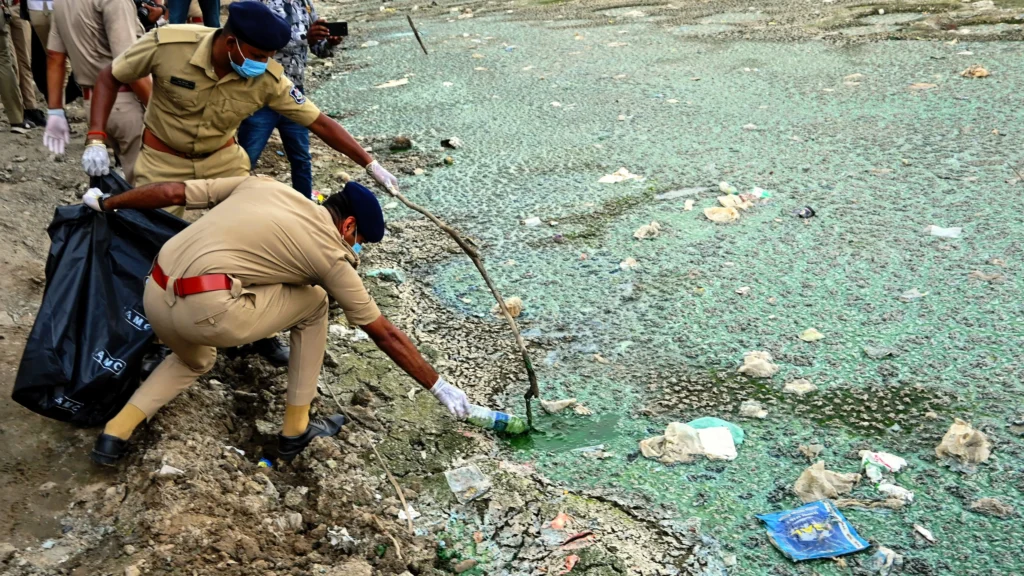
India faces a rising challenge from contaminated land caused by industrial waste dumping, accidental chemical leaks, and unsafe disposal of hazardous materials. Polluted sites can lead to long-term health hazards, including groundwater contamination and food chain disruption. Cleaning them up is crucial not just for environmental health but also for sustainable urban and rural development.
How Unsafe Sites Are Found & Tested
Authorities will identify unsafe sites using environmental surveys, public complaints, and industrial audits. Testing involves soil sampling, water analysis, and risk assessments. These procedures follow globally accepted standards, ensuring accurate detection of contamination levels before deciding on cleanup measures.
Who Pays for the Cleanup
The rules reinforce the polluter pays principle. This means industries, factories, or entities responsible for contamination will bear the full cost of remediation — from testing to restoration. This approach not only funds cleanups but also acts as a deterrent against careless waste disposal.
Breaking the Law? Criminal Penalties Apply
Violating the provisions of the 2025 rules can lead to heavy fines, imprisonment, or both. Offenders may also be barred from operating their business until cleanup obligations are met. This legal muscle ensures that environmental crimes are treated with the seriousness they deserve.
What Happens When the Polluter Is Missing
In cases where the polluter is unknown or no longer exists, the government will step in to manage the cleanup. Funds for such operations will come from a dedicated environmental corpus, ensuring that contaminated sites are addressed without delays.
Follow Notifire for more informative updates.