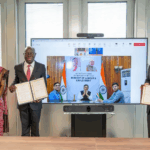
The Equator Prize 2025 is one of the world’s most prestigious recognitions for community-led environmental action, presented every two years by the United Nations Development Programme (UNDP) and partners. It celebrates local and indigenous initiatives that use nature-based solutions to address climate change, biodiversity loss, and poverty at the same time. This year, the prize honored 10 winners from across the globe, each showing how grassroots leadership can achieve lasting environmental and social impact. Among them, India’s Bibi Fatima Women’s Group stood out for their remarkable work in combining marine conservation with women’s economic empowerment.
What Is the Equator Prize and Its Purpose
The Equator Prize, launched in 2002, aims to highlight community-driven approaches that benefit both people and the planet. By recognizing innovative, scalable projects, it seeks to inspire governments, NGOs, and other communities to replicate these sustainable models. Over the years, the award has celebrated more than 200 initiatives worldwide, turning local success stories into global inspirations.
Focus on Women and Youth Leadership
One of the key themes of the Equator Prize 2025 is its focus on women and youth leadership. Across many rural and indigenous areas, women act as guardians of natural resources, while youth bring fresh ideas and energy to conservation. The 2025 winners proved that giving these groups decision-making power leads to more resilient and inclusive solutions.
India’s Bibi Fatima Women’s Group Win
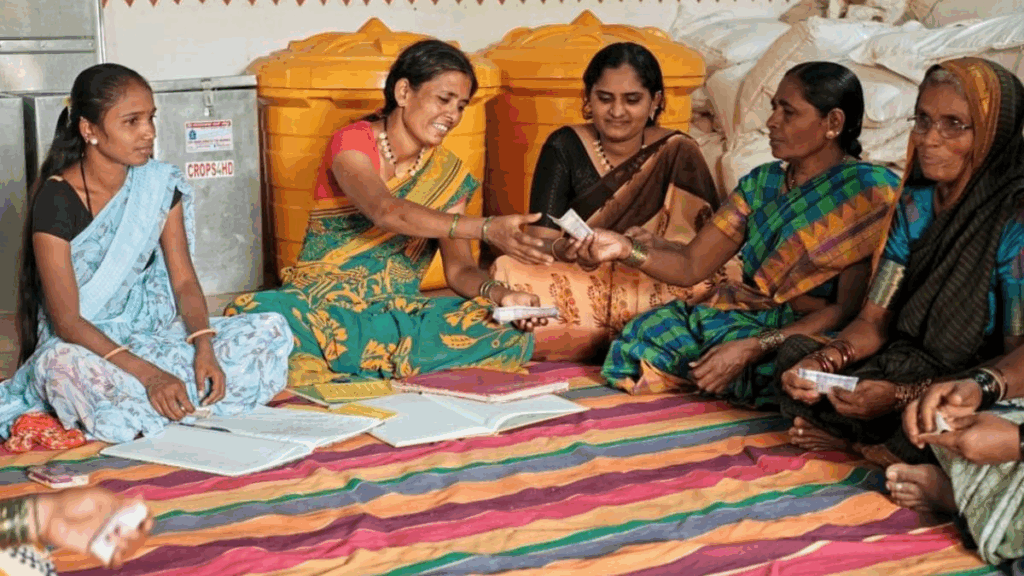
The Bibi Fatima Women’s Group, based in the Lakshadweep islands, received the award for their exceptional work in marine resource management, coral reef restoration, and sustainable livelihood creation. They have trained women in eco-friendly fishing methods, revived traditional knowledge of reef protection, and promoted local enterprises like natural handicrafts. These initiatives have strengthened the local economy while preserving fragile marine ecosystems.
The group’s work supports several UN Sustainable Development Goals (SDGs), including gender equality, climate action, and life below water, making them a role model for other coastal communities worldwide.
Global Impact of Awarded Projects
The Equator Prize 2025 winners come from regions as diverse as the Amazon rainforest, African savannahs, and Southeast Asian coastlines. Collectively, they demonstrate how local action can address global challenges like climate change and biodiversity loss. Their stories are proof that community-led efforts can produce scalable and lasting solutions.
How Winners Inspire Climate Solutions
By sharing their success stories at global platforms, winners encourage other communities to adapt similar approaches. The Bibi Fatima Women’s Group’s integration of traditional knowledge with modern conservation science offers a replicable model for island and coastal regions facing similar threats.
Significance of Nature-Based Actions
Nature-based solutions—like mangrove restoration, coral reef protection, and sustainable farming—are at the core of the Equator Prize’s vision. They provide cost-effective, long-term benefits for both nature and society. Recognizing the Bibi Fatima Women’s Group is not just a celebration of one community’s achievement but a reminder that local leadership is essential in creating a sustainable and climate-resilient future.
Stay tuned with Notifire for more udpates.
Sources: Adda247