New FASTag Rules Effective August 1, 2024: What You Need to Know
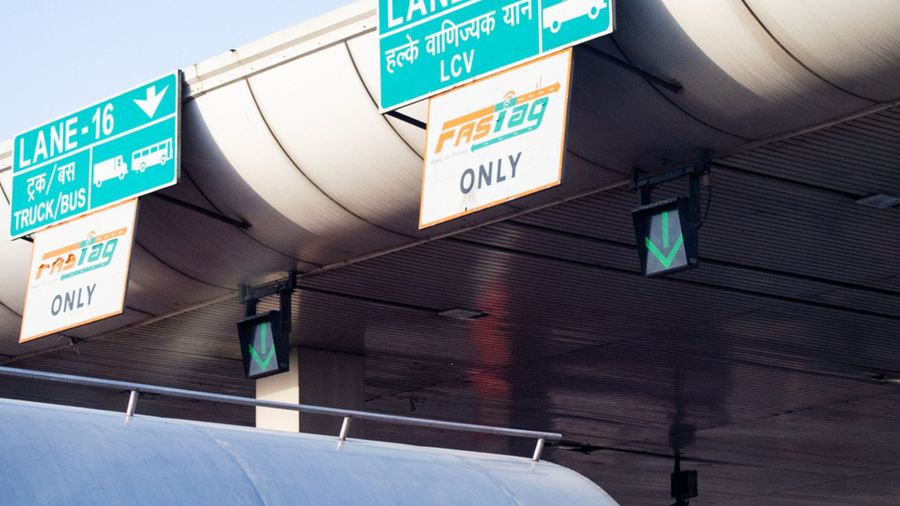
Starting August 1, 2024, the National Highways Authority of India (NHAI) is implementing significant changes to the FASTag system, aimed at enhancing road safety, ensuring seamless toll collection, and keeping them updated. These changes are particularly relevant for vehicle owners with FASTags issued three or more years ago. Here’s a comprehensive overview of what you need to know:
Key Changes in Regulations
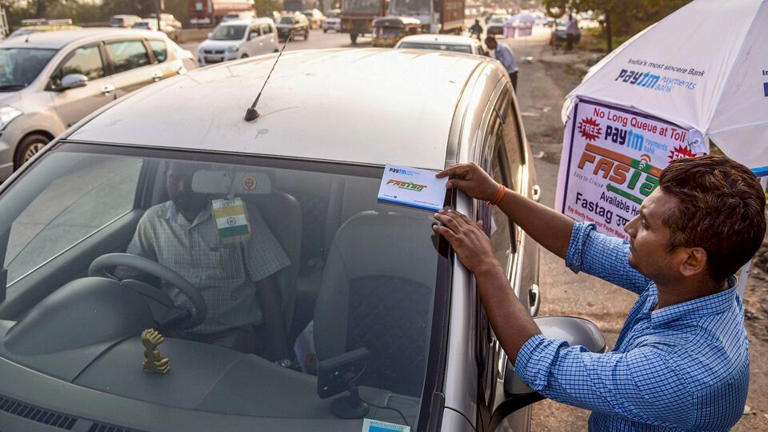
- Replacement of 5-Year-Old FASTags: If your tag is over five years old, it needs to be replaced. This step is crucial as the RFID technology in the tags may degrade over time, affecting performance. Vehicle owners must visit an authorized service center or their respective banks to replace their old tags.
- KYC Updates for 3-Year-Old FASTags: For FASTags issued three years ago, vehicle owners are required to update their Know Your Customer (KYC) details. This ensures that all user information is current and accurate, facilitating better service and compliance with regulatory standards.
- Linking Vehicle Information: The new rules mandate that each FASTag must be linked with the Vehicle’s Registration Number and Chassis Number. This measure is designed to prevent misuse and ensure that each one is uniquely tied to a specific vehicle.
- Mandatory Mobile Number Linking: FASTags must be linked to a valid mobile number, allowing for real-time notifications on transactions and low balance alerts. This helps prevent instances where the tag may not have sufficient balance, potentially leading to fines or disruptions.
- Enforcement Measures: Vehicles without a valid or functional FASTag will be charged double the toll fee as a penalty. This strict enforcement aims to ensure compliance and reduce congestion at toll plazas by promoting faster, contactless transactions.
Important Deadlines
- KYC Update Deadline: Vehicle owners must complete the KYC update by October 31, 2024. Failure to do so may lead to deactivation of the FASTag, resulting in penalties at toll plazas.
- Replacement of Old Tags: Tags that are over five years old should be replaced promptly to avoid any disruptions in service.
Additional Information
- Queue Length Regulation: To enhance traffic flow, the NHAI has set a maximum allowable queue length of 100 meters at toll plazas. Toll operators are required to maintain efficient lane management to comply with this rule.
- Exemptions: Certain vehicles, such as those used by government dignitaries, ambulances, and vehicles transporting persons with disabilities, are exempted under specific conditions.
These new regulations underscore the importance of maintaining an up-to-date system to ensure smooth and efficient toll operations. Vehicle owners should take prompt action to comply with these new rules to avoid penalties and ensure a hassle-free journey on Indian highways.
If the requirements are not met, the following legal repercussions may occur:
- Double Toll Charges: Vehicles without a valid or functional FASTag may be charged double the standard toll fee. This penalty is aimed at ensuring compliance and maintaining smooth traffic flow at toll plazas.
- Non-Compliance Fines: Continued failure to update or maintain it can lead to additional fines under the Motor Vehicles Act. This includes vehicles with expired or incorrect information linked to the FASTag.
- Legal Action: Persistent non-compliance may result in legal proceedings. This can include court cases and penalties, particularly if the non-compliance is seen as intentional or repetitive.
- Vehicle Flagging: Vehicles without valid FASTags may be flagged at toll plazas, leading to delays and additional scrutiny by authorities. This can inconvenience the vehicle owner and result in further investigation.
These measures underscore the importance of adhering to FASTag regulations to avoid legal issues and ensure a smooth driving experience on national highways.