In a significant move to improve traffic management and ensure the smooth operation of public transportation, the Delhi Transport Corporation (DTC) is considering implementing fines for violations of dedicated bus lanes. This initiative aims to enhance the efficiency of the city’s public transport system and tackle the growing issue of traffic congestion in Delhi.
The Rationale Behind Bus Lanes
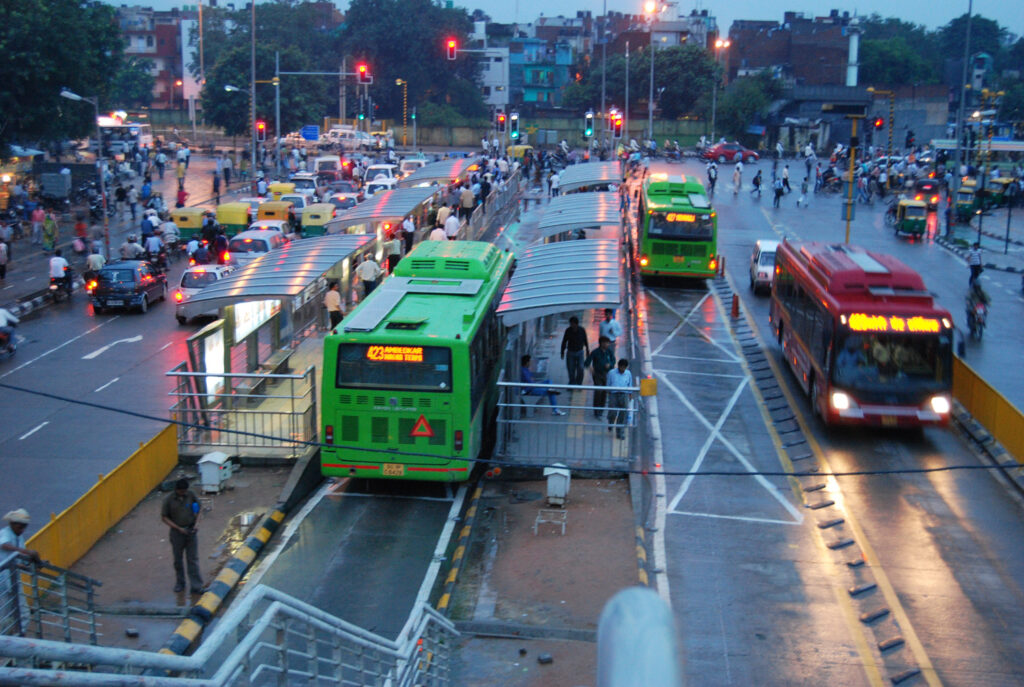
Bus lanes are designated roadways reserved exclusively for buses, designed to facilitate uninterrupted and efficient public transportation. By segregating buses from general traffic, these lanes help in maintaining timely bus services and reducing overall travel time. In a sprawling metropolis like Delhi, where traffic congestion is a persistent challenge, dedicated bus lanes are crucial for improving public transport efficiency and encouraging more residents to use buses.
Current Traffic Scenario in Delhi
Delhi, with its ever-increasing population and vehicle density, faces severe traffic congestion. The city’s roads are often clogged with vehicles, leading to delays, increased pollution, and a frustrating commute for many residents. Despite various traffic management strategies and infrastructure developments, managing the flow of traffic remains a complex task. In this context, the Delhi Transport Corporation bus lanes are intended to alleviate some of these issues by prioritizing public transport and reducing delays caused by mixed traffic.
The New Initiative by Delhi Transport Corporation
Delhi Transport Corporation officials have announced that they may soon begin issuing challans, or fines, for vehicles violating bus lane rules. This move comes in response to frequent violations where private vehicles occupy bus lanes, thereby obstructing the smooth movement of buses and undermining the purpose of these lanes. The introduction of fines is intended to deter motorists from using bus lanes and ensure that these lanes serve their intended purpose.
How the Fines Will Be Enforced
The enforcement of this new measure will involve the use of advanced technology, including traffic cameras and automated license plate recognition systems. These technologies will help in monitoring bus lanes and identifying violators accurately. Additionally, traffic police and enforcement officers will be tasked with patrolling bus lanes and issuing fines to violators. The exact amount of the fines and the detailed enforcement procedures are expected to be announced in the coming weeks.
Impact on Commuters and Public Transport
For daily commuters and public transport users, this move is expected to have a positive impact. By reducing the number of vehicles in bus lanes, buses will be able to operate more efficiently and adhere to their schedules. This, in turn, will make public transport a more reliable option and encourage more people to opt for buses instead of private vehicles. Improved bus services can lead to reduced traffic congestion and lower pollution levels, contributing to a better urban environment.
Public Reaction and Challenges
While the initiative is likely to be welcomed by regular bus commuters, it may face resistance from some vehicle owners who are accustomed to using bus lanes. There could be concerns about the fairness and effectiveness of the enforcement measures, as well as potential issues related to the accuracy of automated systems. Public awareness campaigns and clear communication from DTC will be essential in addressing these concerns and ensuring smooth implementation.
Looking Ahead
As the Delhi Transport Corporation moves forward with this initiative, it will be crucial to monitor its impact on traffic flow and public transport efficiency. The success of this measure will depend on its execution and the level of compliance among motorists. If implemented effectively, issuing fines for bus lane violations could serve as a model for other cities grappling with similar traffic management challenges.
In conclusion, the potential introduction of challans for bus lane violations by the Delhi Transport Corporation represents a proactive step towards enhancing the efficiency of public transportation and managing traffic congestion. By prioritizing buses and enforcing lane discipline, Delhi aims to improve the overall commuting experience for its residents and promote a more sustainable urban transport system.