Source: Live Mint
In October, India’s service sector marked a significant recovery, fueled by robust domestic demand and continued expansion. This resurgence not only emphasizes the resilience of the Indian economy but also showcases the adaptability and strategic response of service-oriented businesses in the face of evolving market conditions.
1. Overview of the Indian Service Sector
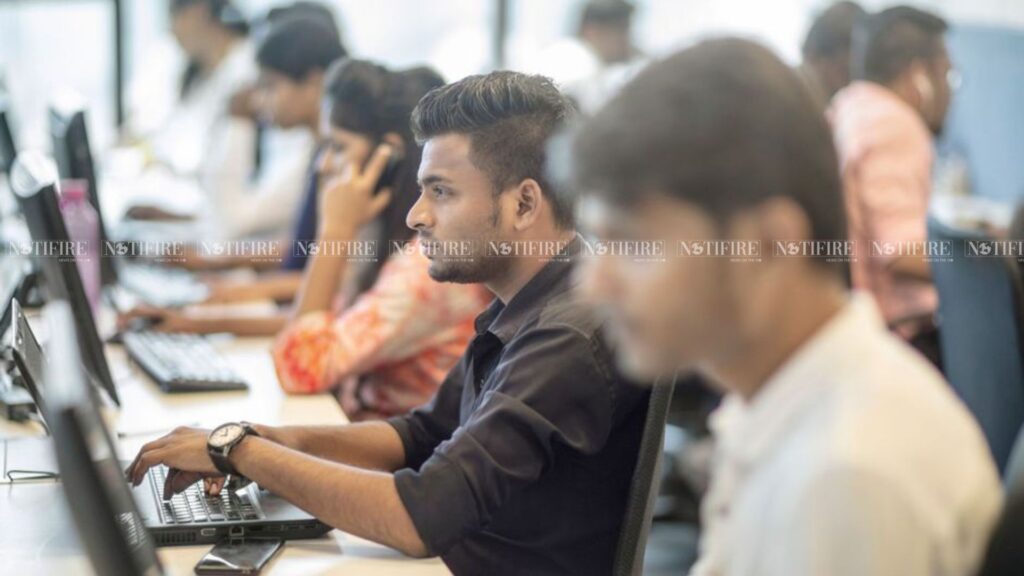
The service sector, contributing over 50% to India’s GDP, remains the backbone of its economic landscape. It encompasses diverse industries, including information technology, telecommunications, financial, real estate, hospitality, and retail. Historically, this sector has been a key driver of job creation, skill development, and economic growth, positioning India as a prominent global player, especially in IT and business process outsourcing.
2. October’s Rebound: A Closer Look
The latest data indicates a notable uptick in the sector’s performance in October. The Purchasing Managers’ Index (PMI) for services, a reliable indicator of sector health, recorded a marked improvement, surpassing market forecasts. This growth was primarily driven by a surge in new orders, with businesses reporting stronger demand for their services both domestically and internationally.
Key Metrics:
- PMI Increase: The PMI for services rose to its highest level in months, signaling expansion beyond the 50-point threshold that separates growth from contraction.
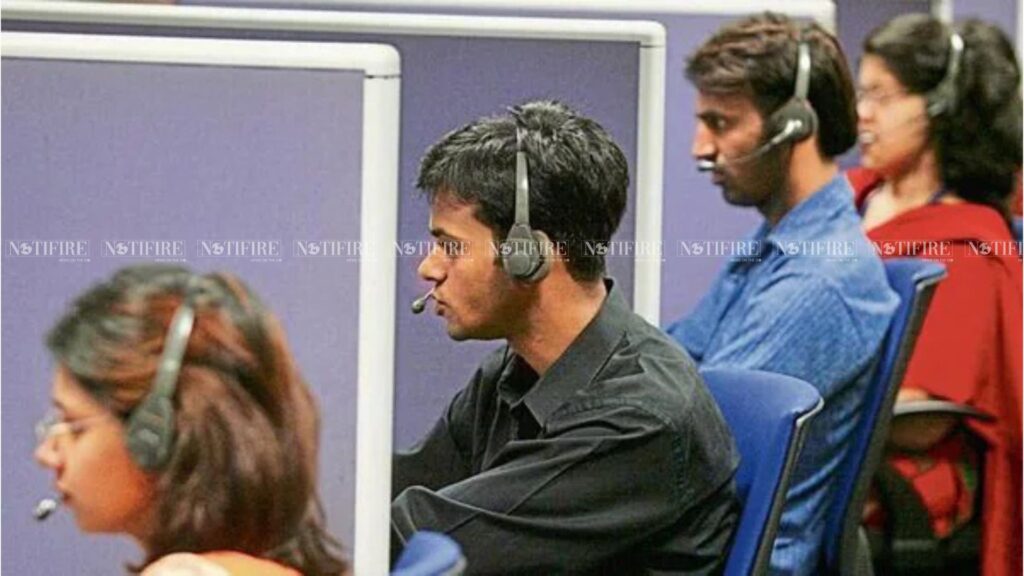
- Job Creation: The positive growth trajectory also led to increased employment opportunities, with firms scaling their workforce to meet heightened demand.
- Business Confidence: Sentiments remained buoyant, with providers optimistic about sustaining this momentum in the upcoming months.
3. Drivers of the Rebound
Several factors contributed to the impressive rebound observed in October:
a) Robust Domestic Demand
Domestic consumers showcased an increased appetite for services, including travel, leisure, dining, and professional services. This resurgence was fueled by a post-pandemic rebound in consumer confidence, higher disposable incomes, and the return of festivals and social gatherings.
b) Digital Transformation
India’s continuous investments in digital infrastructure have paid dividends, enabling businesses to offer improved service delivery through technology. From cloud computing and AI-driven customer support to mobile app integration and secure payment gateways, technology played a pivotal role in boosting efficiency and customer satisfaction.
c) Government Policies and Economic Reforms
The Indian government’s proactive stance, including targeted fiscal policies and reforms to ease business operations, contributed to the sector’s recovery. Initiatives to digitize financial services, streamline compliance, and facilitate cross-border transactions have further encouraged growth.
d) Global Demand for IT and Software Services
The global reliance on Indian IT and software services remained high, as companies across the world sought cost-effective and high-quality outsourcing solutions. This demand, combined with India’s competitive edge in technology, helped maintain the momentum for firms catering to international markets.
4. Challenges and Areas of Caution
Despite the positive outlook, the sector faces challenges that could impact sustained growth:
a) Inflationary Pressures
High inflation has been a concern, impacting consumer spending power and business costs. While the Reserve Bank of India (RBI) has taken measures to control inflation, persistent price hikes in essential goods and could dampen demand in the medium term.
b) Global Economic Uncertainties
The global economic landscape remains volatile, with potential slowdowns in major economies like the US and Europe. Such slowdowns could affect export-oriented services and foreign direct investment.
c) Workforce and Skill Gaps
While job creation is on the rise, many businesses face challenges related to workforce skill gaps. The need for skilled professionals, particularly in technology and specialized areas, continues to put pressure on recruitment and training practices.
5. Future Outlook
The growth observed in October suggests that the service sector’s trajectory is promising, though sustained efforts are needed to maintain this pace. Analysts believe that with continued policy support, innovation, and strategic partnerships, the service sector can maintain its growth curve and further strengthen its contribution to India’s economic resilience.
Key Strategies for Sustained Growth:
- Investment in Technology: Embracing advanced technology and fostering digital literacy can further optimize delivery.
- Diversification: Expanding into untapped markets, including tier-2 and tier-3 cities, can provide new growth avenues for businesses.
- Upskilling the Workforce: Addressing skill gaps through government and private sector initiatives will be crucial for meeting evolving industry needs.
- Sustainability: Focusing on eco-friendly practices and sustainable business operations will align with global trends and consumer preferences.
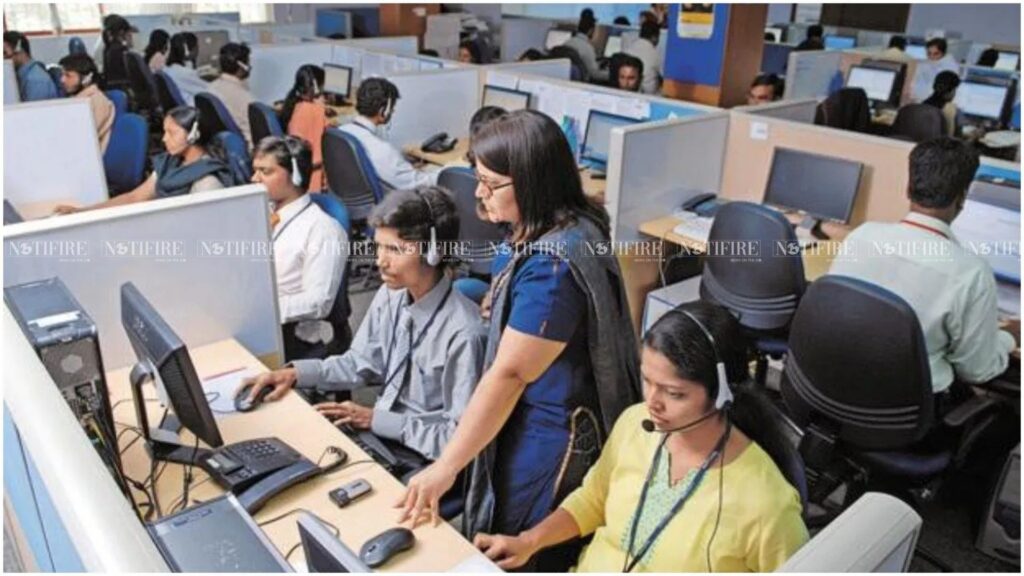
The rebound of India’s service sector in October paints a hopeful picture for its future. This growth not only boosts GDP but also enhances job creation and socio-economic stability. With strategic investments, policy reforms, and a focus on innovation, the service sector is poised to continue its role as a catalyst for India’s broader economic development. By addressing existing challenges and harnessing the potential of digital and global opportunities, the service sector can forge a sustainable path forward, driving India’s economy into its next phase of growth.
Follow for more updates.