Source: The Economic Times
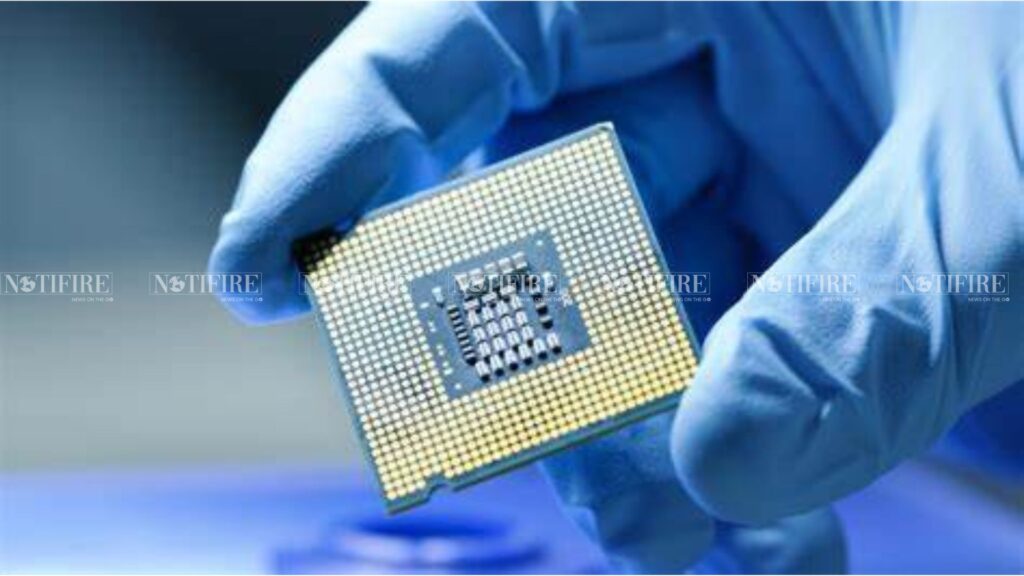
In recent years, the global semiconductor industry has been at the heart of geopolitical and technological shifts. Semiconductors, the tiny chips that power everything from smartphones to automobiles, are now recognized as a cornerstone of modern economies. In response to the growing demand for these critical components, the Tata Group, one of India’s largest and most diversified conglomerates, has made a strategic decision to partner with Singapore in the race to secure semiconductor manufacturing capabilities. This move is expected to have far-reaching implications for both India and the global semiconductor market.

The Growing Importance of Semiconductors
Semiconductors are essential to modern technology, with applications spanning consumer electronics, computing, automotive, and even healthcare. They are also at the heart of emerging technologies such as artificial intelligence (AI), 5G, and the Internet of Things (IoT). The global chip shortage of recent years, exacerbated by geopolitical tensions, the pandemic, and supply chain disruptions, has highlighted the vulnerabilities of relying on a handful of countries for semiconductor manufacturing.
Countries like the United States, China, South Korea, and Taiwan have long dominated the semiconductor market. However, in light of growing national security concerns and the need to reduce dependence on a limited number of sources, nations around the world are exploring ways to diversify semiconductor production. This is where Tata’s partnership with Singapore becomes particularly significant.
Tata’s Strategic Move
Tata’s decision to choose Singapore as a key partner in its semiconductor venture comes as part of the conglomerate’s broader push to become a global leader in technology and manufacturing. The Tata Group has made headlines recently with its foray into the electric vehicle (EV) sector and its interest in expanding into various high-tech industries. The semiconductor sector, with its massive growth potential, fits perfectly into the group’s diversification strategy.
Singapore is an ideal partner for Tata for several reasons. First, the country is already one of the world’s leading hubs for semiconductor research, manufacturing, and innovation. With a highly developed infrastructure, a strong regulatory framework, and access to cutting-edge technology, Singapore has become a preferred destination for major global semiconductor companies. Additionally, Singapore’s government has made substantial investments in boosting its semiconductor ecosystem, creating a conducive environment for businesses looking to invest in the industry.
Moreover, Singapore has a robust manufacturing base, skilled workforce, and excellent logistics capabilities, making it an attractive location for companies to set up production facilities. It is also strategically located in the heart of Asia, providing easy access to the rapidly growing markets of China, India, and Southeast Asia.
The Role of the Singapore Government
The Singaporean government has been actively courting foreign investments in the semiconductor sector, recognizing its strategic importance for the economy. As part of its “Smart Nation” initiative, Singapore has been focusing on emerging technologies, including AI, big data, and, of course, semiconductors. The government has provided favorable policies, incentives, and tax breaks to attract global players to establish semiconductor manufacturing facilities in the country. Tata’s partnership with Singapore is thus a natural outcome of this government-led initiative to turn the nation into a global leader in high-tech industries.
Tata-Singapore Semiconductor Collaboration: What Does It Mean?
Tata’s collaboration with Singapore is expected to result in the establishment of semiconductor manufacturing plants and research and development (R&D) hubs. These facilities will not only cater to India’s growing demand for semiconductors but also provide a significant export opportunity. India, with its large consumer base, is one of the fastest-growing markets for electronics and automotive, sectors that rely heavily on chips. By setting up manufacturing units in Singapore, Tata can reduce the supply chain risks that have become evident in recent years and create a more self-reliant semiconductor ecosystem.
Additionally, the collaboration will enhance India’s position in the global semiconductor value chain. Currently, India relies heavily on imports for its semiconductor needs. The Tata Group, with its deep understanding of the Indian market and its global connections, could play a pivotal role in addressing this imbalance. The partnership could also pave the way for a new wave of innovation in the semiconductor space, with Tata working on next-generation technologies such as AI-powered chips and 5G-enabled semiconductors.
Economic and Geopolitical Implications
This collaboration could have broader economic and geopolitical implications, both for India and Singapore. For India, the partnership presents a golden opportunity to reduce its reliance on foreign semiconductor imports, thereby strengthening its self-sufficiency in high-tech manufacturing. It could also bolster India’s position as a key player in the global semiconductor value chain, especially as the country seeks to position itself as a manufacturing hub under the “Make in India” initiative.
For Singapore, the partnership further solidifies its status as a global semiconductor hub and strengthens its position in the Asia-Pacific tech ecosystem. The country has long been a stronghold for the semiconductor industry, and Tata’s involvement will only enhance its reputation and create more opportunities for innovation.
Looking Ahead: A Bright Future for the Tata-Singapore Semiconductor Partnership
The Tata Group’s move to partner with Singapore in the semiconductor space comes at a time of significant disruption and change in the global tech landscape. With its established reputation, vast experience in manufacturing, and forward-looking vision, Tata is well-positioned to make a substantial impact on the semiconductor industry. By leveraging Singapore’s world-class infrastructure, skilled workforce, and favorable business environment, the Tata Group could not only transform the semiconductor market in India but also play a crucial role in reshaping global semiconductor supply chains.
In conclusion, Tata’s decision to choose Singapore as a key partner for its semiconductor ambitions signals a critical shift in the global tech ecosystem. This partnership could have far-reaching consequences, boosting India’s manufacturing capabilities, enhancing Singapore’s semiconductor sector, and contributing to the broader diversification of global semiconductor production. With the stakes higher than ever, the Tata-Singapore collaboration is one to watch in the coming years.
Follow for more updates.