The life and legacy of Naib Subedar Rakesh Kumar, a Junior Commissioned Officer (JCO) in the Indian Army, was one defined by courage, dedication, and the selfless pursuit of duty. Hailing from the Mandi district of Himachal Pradesh, Kumar was recently killed in action during an encounter with terrorists in Jammu and Kashmir’s Kishtwar region. As the nation mourns the loss of this brave son, his family recalls his final wish—to rebuild their family home, which had been damaged by monsoon floods. This tragic loss underscores the personal sacrifices made by soldiers and their families, and the enduring commitment they hold to their country.
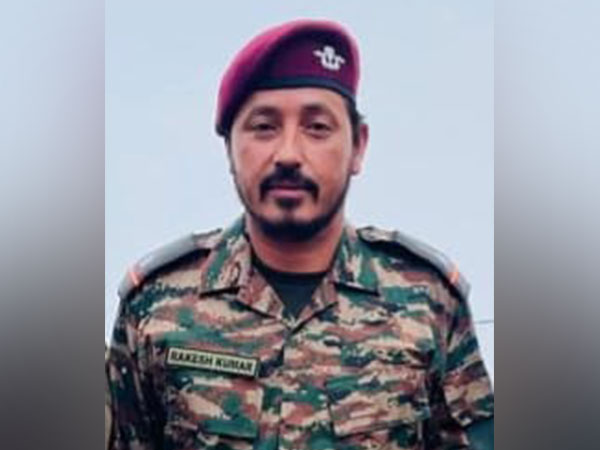
The Life and Service of Naib Subedar Rakesh Kumar
Naib Subedar Rakesh was a member of the elite 2 Parachute Regiment (Special Forces) of the Indian Army, a highly skilled unit known for its rigorous training and operational expertise. Born and raised in the peaceful village of Barnog in Himachal Pradesh, Kumar exhibited qualities of strength, valor, and leadership from an early age. His life was dedicated to serving the nation and protecting its citizens from threats, even at the cost of his own life.
In his years with the army, he earned a reputation as a skilled and dependable soldier, a sentiment echoed by his peers and superiors alike. JCOs like Kumar serve as the backbone of military units, bridging the gap between officers and enlisted personnel. Their role requires not only tactical knowledge but also a level of leadership and guidance to junior soldiers. Kumar’s contributions to the army were invaluable, and his loss is a reminder of the ultimate sacrifice that the country’s soldiers often make in the line of duty.
A Personal Dream: Rebuilding the Family Home
Behind the soldier’s uniform was a man with deep-rooted ties to his family and community. Last year, Kumar’s family home in Barnog was heavily damaged during the monsoon season, rendering the structure unsafe. Forced to live in rented accommodations, the family had been awaiting his return to undertake the rebuilding process. His brother, Karam Singh, shared that Kumar had planned to start the construction of a new house in January, with hopes of providing his family a safe and secure home once again.
This dream of rebuilding their home, however, remains unfulfilled. Kumar’s family now finds themselves mourning not only the loss of a soldier but also the absence of a beloved father, husband, and son who had envisioned a better future for them. His wife, Bhanupriya, along with their two young children, 13-year-old Yashshwini and 7-year-old Pranav, face a future of grief and memories in place of the home he wanted to build for them. Kumar is also survived by his 90-year-old mother, Bhati Devi, who had hoped to see her family home restored with her son’s help.
The Operation in Kishtwar and the Price of Duty
The encounter that led to Naib Subedar Rakesh Kumar’s martyrdom was part of a larger anti-terror operation. The group of terrorists that Kumar and his unit engaged were reportedly responsible for the recent abduction and killing of two Village Defence Guards (VDGs) in Kishtwar, an incident that had already shaken the local community. During the operation, three other soldiers were also injured, highlighting the fierce and dangerous nature of these encounters.
Kumar’s sacrifice is part of an ongoing and complex struggle against terrorism in the region. Jammu and Kashmir, particularly areas like Kishtwar, have seen an increase in militancy over the past years, with terrorists often targeting both civilians and security personnel. The soldiers stationed there continuously risk their lives to maintain peace, stability, and safety for civilians, making Kumar’s sacrifice not just a loss for his family, but a testament to the unwavering resolve of all the security personnel fighting in such challenging conditions.
An Outpouring of Grief and Tributes
The news of Kumar’s death has reverberated throughout his home state of Himachal Pradesh, with prominent leaders expressing their sorrow. Himachal Pradesh Chief Minister Sukhvinder Singh Sukhu and Deputy Chief Minister Mukesh Agnihotri both issued heartfelt statements honoring Kumar’s sacrifice. Sukhu remarked that the nation would forever remember Kumar’s ultimate sacrifice, while Agnihotri emphasized the eternal debt owed by both the nation and the state for Kumar’s selfless act of bravery.
As the nation mourns, Kumar’s family awaits his final rites, which were delayed due to nightfall when his body arrived in Mandi. The cremation will take place after a ceremony allowing his family, friends, and community members to pay their last respects. This somber event marks not just the passing of a soldier but also a cherished member of the community whose life was an inspiration to many.
The Dual Burden of Military Families
Kumar’s story brings to light the often-overlooked challenges faced by the families of soldiers. They endure long periods of separation, worry for their loved one’s safety, and make personal sacrifices of their own. In Kumar’s case, his family had the added burden of dealing with a housing crisis after their home was damaged. Despite these difficulties, Kumar continued his service with unwavering dedication, postponing personal priorities in favor of his duty to the nation.
For his family, the loss is not only emotional but also brings practical challenges. The rebuilding of the family home is now uncertain, adding to the myriad of responsibilities his widow, Bhanupriya, must now navigate on her own. This tragedy highlights the need for support systems for the families of fallen soldiers, who often face significant financial and emotional burdens in the aftermath of such a loss.
Honoring the Legacy of Naib Subedar Rakesh Kumar
Naib Subedar Rakesh Kumar’s life and sacrifice serve as a reminder of the sacrifices that soldiers make, and the respect they deserve from the nation. Beyond the headlines and statistics, each martyr represents a unique story of bravery, resilience, and dedication. Kumar’s dream of rebuilding his family’s home will be remembered alongside his military service, a testament to the personal aspirations he carried even as he served his country with unyielding commitment.
The sacrifices of soldiers like Kumar demand that we, as a nation, support and honor their families, ensuring that the burden of loss is not borne alone. Military families shoulder a significant weight, and their resilience, like that of Kumar’s family, is a pillar of support for the soldiers who protect the nation.
As Kumar’s family prepares to lay him to rest, his legacy as a devoted soldier, son, husband, and father will live on. The people of Himachal Pradesh, and indeed the entire nation, mourn this profound loss. His life reminds us of the valor and humanity within each soldier, and his sacrifice embodies the highest ideals of courage and dedication.
Conclusion
Naib Subedar Rakesh Kumar’s story reflects the courage and commitment that define the Indian Armed Forces. His sacrifice underscores the personal cost of national security, and his dream of rebuilding a family home speaks to the deeply human aspirations that soldiers carry, even as they face unimaginable risks. As a nation, we must remember and honor his sacrifice, supporting his family as they navigate this tragic loss. Kumar’s legacy will endure, inspiring future generations with his example of bravery, selflessness, and love for his country and family.
Follow us for more