AI Camera Error Leads to False Crime Accusation
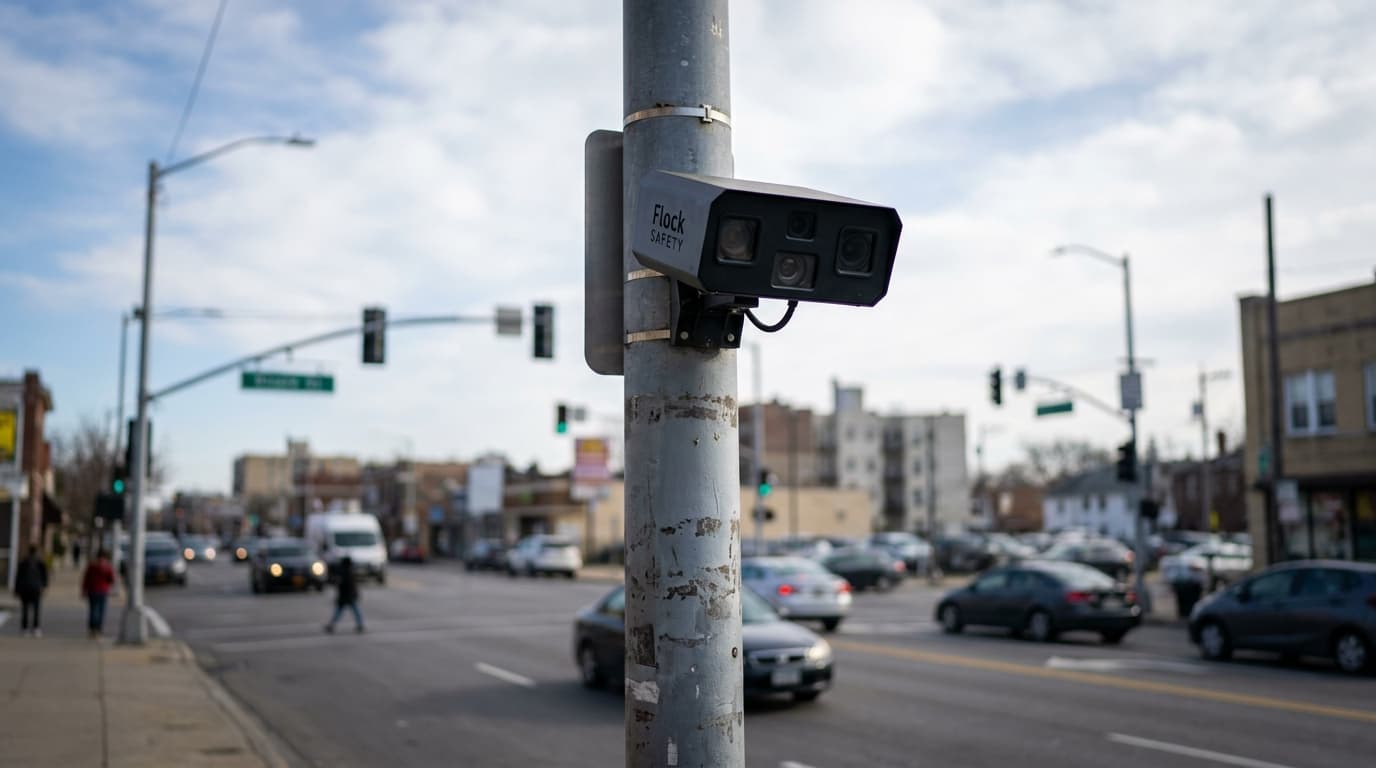
TL;DR: A man in San Diego was wrongly linked to a violent crime due to an error by a Flock license plate reader. The case underscores the serious real-world consequences of inaccuracies in widely used AI surveillance technology.
Key facts
- Category
- AI
- Impact
- High
- Published
- Source
- Hacker News
Full summary
An error from a Flock AI license plate reader wrongly linked an innocent San Diego man to a violent crime he didn't commit.
An automated license plate reader (LPR) system from Flock Safety incorrectly linked a San Diego man to a violent crime. The man was five miles away from the incident when it occurred, but the AI-powered surveillance technology mistakenly identified his vehicle. This case brings to light the severe real-world consequences of errors in automated law enforcement tools. Flock's LPRs are used by thousands of police departments and neighborhood associations across the U.S. to capture vehicle data and cross-reference it against law enforcement databases. The system is designed to alert police to stolen cars or vehicles associated with wanted individuals, but this incident demonstrates that a false positive can have a profound and immediate impact on an innocent person's life, potentially leading to a wrongful arrest or investigation based on flawed machine-generated evidence. The technology's widespread adoption means that such errors are not isolated theoretical risks but practical dangers with significant human cost.
For technology leaders, developers, and security teams, this event is a critical case study on the high stakes of deploying AI in sensitive domains. It underscores the urgent need for rigorous testing, validation, and a clear understanding of machine learning model accuracy and failure modes before a system is put into production. The incident raises fundamental questions about accountability: when an AI makes a mistake with legal ramifications, is the software vendor, the law enforcement agency, or the individual officer responsible? Furthermore, it fuels the ongoing debate about the balance between leveraging technology for public safety and protecting individual privacy and civil liberties. As AI-powered surveillance becomes more pervasive, organizations must establish robust human oversight and transparent processes for correcting errors to prevent technology from unjustly disrupting lives and eroding public trust.
Related on Notifire
Related stories
Primary source: Hacker News