AI Surveillance Error Jails Man for a Month
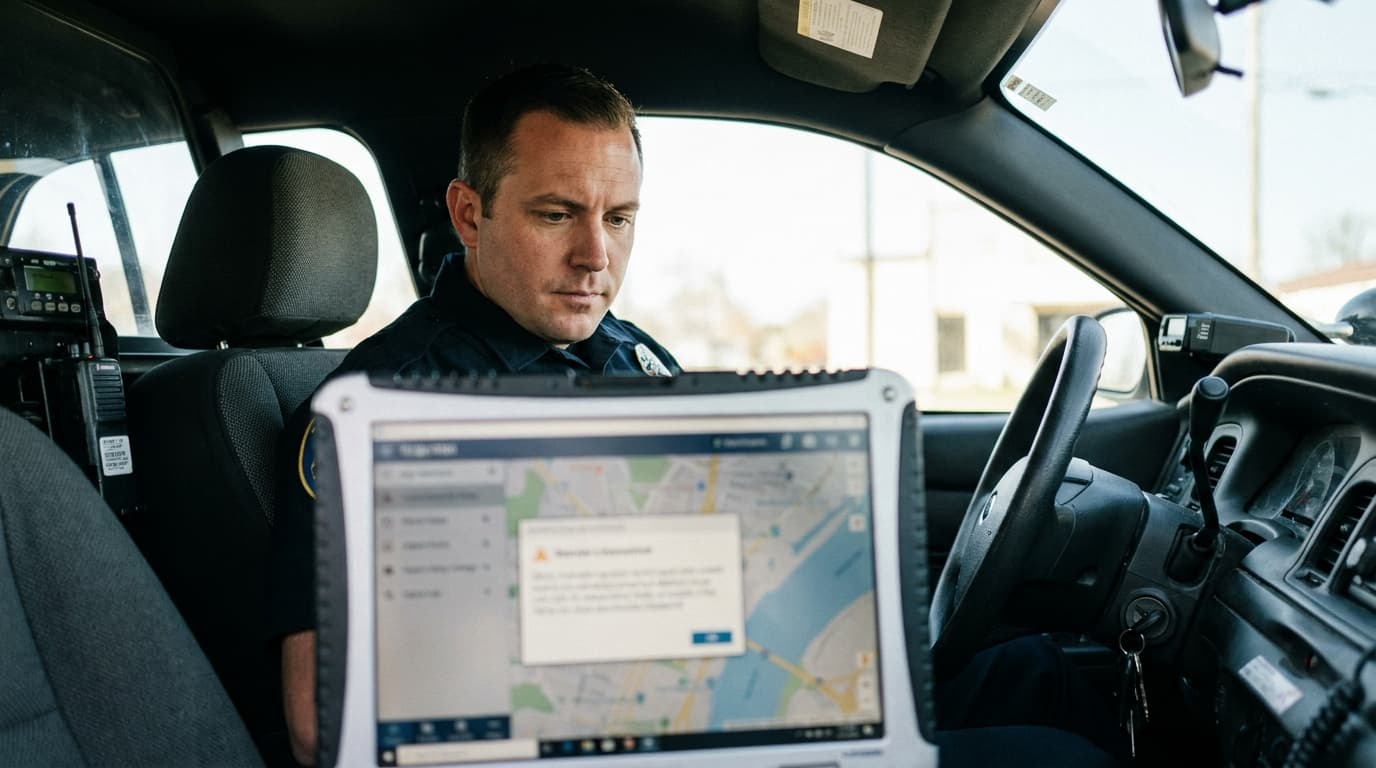
TL;DR: San Diego police jailed a man for a month based on an AI camera alert, even though the system's own data showed his car was miles from the crime scene. This case highlights the critical need for human oversight of automated surveillance.
Key facts
- Category
- AI
- Impact
- High
- Published
- Source
- Ars Technica
Full summary
Police jailed a man for a month based on an AI camera alert, despite data showing he was miles from the crime scene.
A San Diego man is suing the city's police department after he was jailed for a month based on what his lawsuit calls a misuse of AI-powered surveillance. Last November, police arrested Hugo Parra for an attempted carjacking, relying on an alert from a Flock automated license plate reader (ALPR) and a witness statement. However, the lawsuit alleges that the police should have known the data was contradictory. According to the complaint, the Flock system's own timestamped photo showed Parra's car was five miles away from the crime scene at the time the incident occurred. Despite this exculpatory evidence being available from the start, Parra was arrested on felony charges and spent a month in jail before the case was ultimately dismissed.
This case serves as a critical warning for any organization deploying AI-driven monitoring and security systems. It demonstrates that the technology's output is not infallible and that over-reliance on automated alerts can lead to severe real-world consequences. For developers and CTOs, it highlights the ethical responsibility to build systems that present data with clear context and limitations. For security and IT leaders, it underscores the absolute necessity of establishing rigorous human verification protocols. The failure here was not just in the initial AI alert, but in the human process that failed to properly analyze the data the system provided. This incident raises significant questions about legal liability when automated systems contribute to errors with such high human costs.
The use of Flock cameras and similar ALPR technologies is rapidly expanding among law enforcement agencies across the United States, sparking ongoing debates about privacy, data accuracy, and the potential for misuse. These systems create vast databases of vehicle movements, which advocates say help solve crimes but critics warn can lead to a state of constant surveillance. The outcome of Parra's lawsuit could set an important precedent for how police departments are held accountable for their use of these powerful tools. It forces a necessary conversation about the balance between leveraging technology for public safety and protecting individual liberties from the fallibility of both automated systems and the people who operate them.
Related on Notifire
Related stories
Primary source: Ars Technica