AI Use Puts DraftKings' State License on Hold
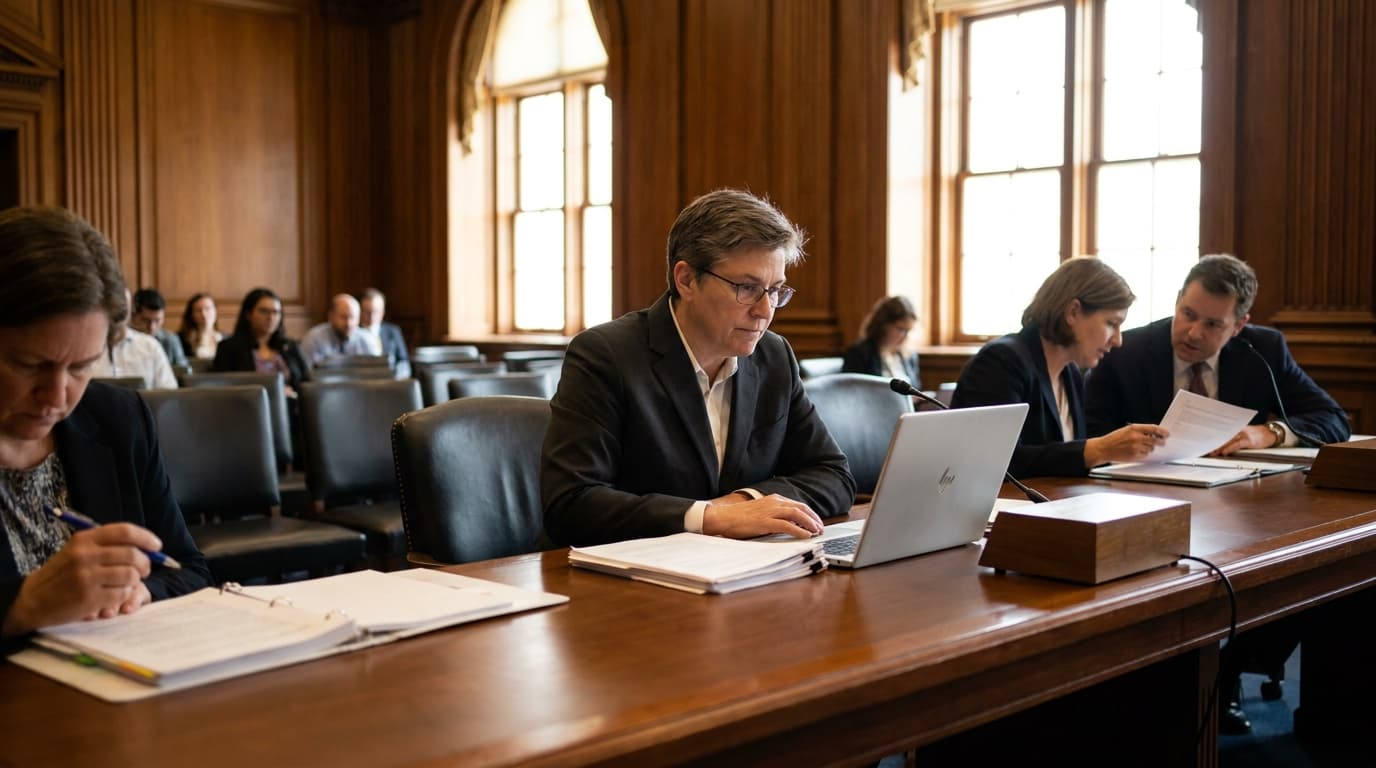
TL;DR: Louisiana regulators gave DraftKings a temporary license extension to investigate its AI use. The move signals growing scrutiny for companies deploying AI in regulated industries, highlighting new operational and compliance risks for tech leaders.
Key facts
- Category
- AI
- Impact
- High
- Published
- Source
- ReadWrite
Full summary
Louisiana is investigating DraftKings' AI, putting its sports-betting license under review and signaling a new era of regulatory oversight.
The Louisiana Gaming Control Board has placed sports-betting giant DraftKings under a microscope, granting it only a conditional four-month license extension while it investigates allegations surrounding the company's use of artificial intelligence. According to reports, the unanimous decision allows DraftKings to continue its operations in the state for now, but it fires a clear warning shot across the bow of the tech and gaming industries. The board was careful to state that this action does not represent a finding of wrongdoing. However, the probe itself marks a significant moment where a state regulatory body is explicitly questioning the AI systems that power a major consumer-facing platform, moving the conversation about AI ethics and governance from theory to direct operational and legal consequence.
While the specific allegations against DraftKings have not been detailed, companies in the online gaming space use AI and machine learning for a wide range of critical functions. These systems are often used to set dynamic betting odds, personalize marketing promotions, detect fraudulent activity, and implement responsible gaming controls by identifying patterns of problem gambling. The core issue for regulators often lies in the opacity of these AI models. A complex algorithm might flag a user or adjust odds based on thousands of data points, but explaining *why* it made a specific decision can be incredibly difficult. This “black box” problem creates risk, as regulators need to ensure that the AI is not discriminatory, unfair, or making errors that could harm consumers or violate state gaming laws. The investigation will likely focus on whether DraftKings can adequately explain, validate, and audit the decisions made by its automated systems.
This move by Louisiana regulators is not an isolated event but rather a key indicator of a much broader trend. Across the globe, governments are shifting from a hands-off approach to active oversight of artificial intelligence. The European Union’s AI Act is setting a global precedent for risk-based regulation, and in the United States, agencies like the FTC and SEC are using their existing authority to police AI-driven deception and bias. What makes the DraftKings case so notable is that it involves a state-level agency in a highly regulated industry applying its mandate to a new technology. It proves that companies do not need to wait for a comprehensive federal AI law to face scrutiny; any existing regulatory body, from a gaming commission to a financial authority, can and will begin asking hard questions about how AI is being used within its jurisdiction.
For founders, CTOs, and compliance teams, this is a clear signal to treat AI deployment as a primary business risk, not just a technical project. The era of shipping AI features and hoping for the best is over. Companies, especially those in regulated fields like fintech, healthtech, and gaming, must now prioritize model explainability and documentation from the very beginning of the development lifecycle. This means investing in tools and processes for AI governance, ensuring that legal and compliance teams are involved in product development, and being prepared to defend algorithmic decisions to outside auditors and regulators. The outcome of the Louisiana investigation will be closely watched, as it could establish a new standard for how AI systems are evaluated and approved, creating a compliance playbook that could soon be adopted by other states and industries.
Why it matters
This case is a critical warning for any team deploying AI in a regulated sector like finance, healthcare, or gaming. It shows that regulators are now actively scrutinizing AI systems, turning technical implementation details into significant legal and operational liabilities that can directly threaten business continuity.
Business impact
The investigation into DraftKings demonstrates that using AI is no longer just a technical decision but a major compliance risk. Companies may face costly regulatory probes, potential license suspensions, and reputational damage, requiring new oversight from legal and compliance teams on all AI-driven products.
Tags
Related on Notifire
Related stories
Primary source: ReadWrite