AI Warfare Is Already Happening
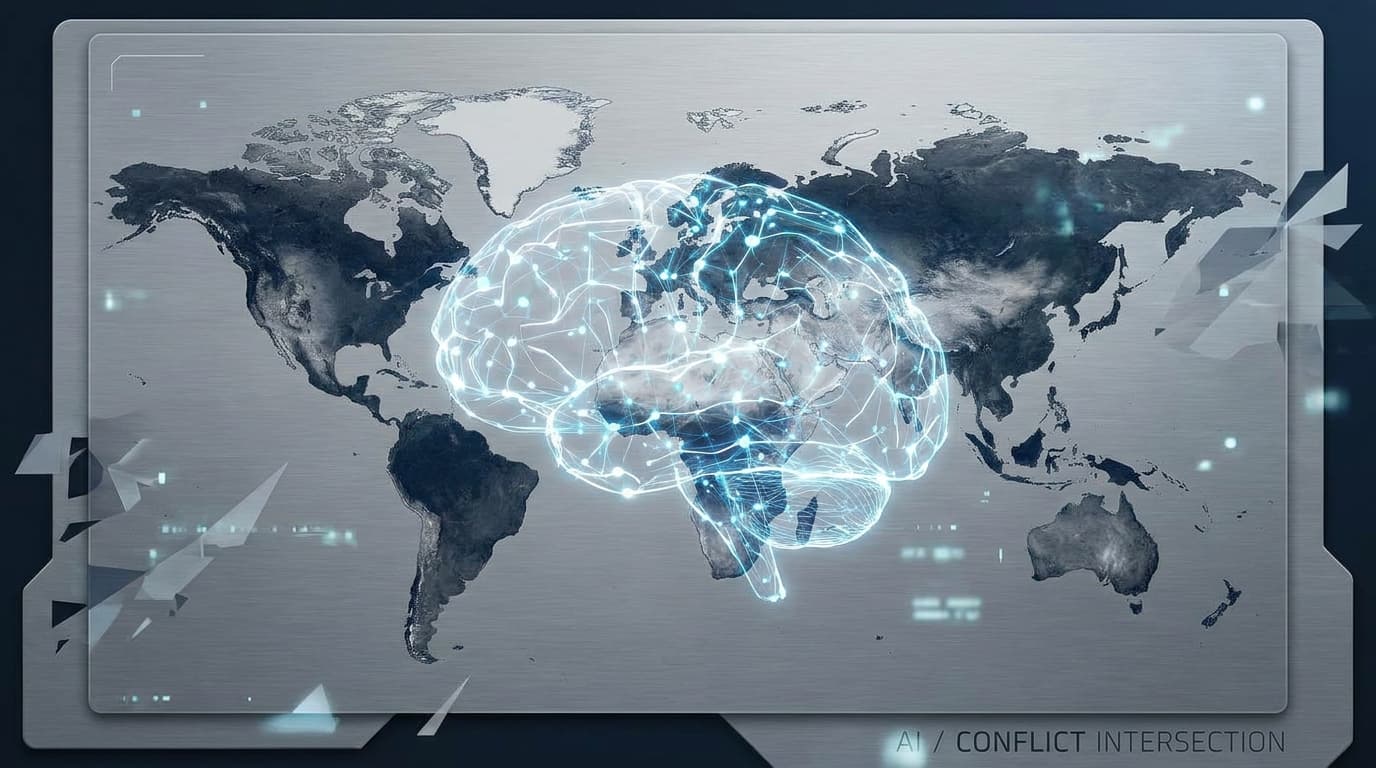
TL;DR: Discussions about autonomous weapons, once confined to hypothetical scenarios at UN forums, are now confronting a new reality. The use of AI in modern conflicts is accelerating, raising urgent questions about ethics, international law, and the future of warfare for global leaders and the tech industry.
Key facts
- Category
- AI
- Impact
- High
- Published
- Source
- The Verge
Full summary
The conversation around autonomous weapons has shifted from future speculation to present-day reality, as AI systems are increasingly deployed in active military conflicts.
International discussions on lethal autonomous weapons, such as those held at the United Nations in Geneva, have historically treated the concept of "killer robots" as a future possibility. However, this perspective is rapidly becoming outdated. The increasing use of AI-powered systems in recent global conflicts demonstrates that automated and autonomous technologies are no longer theoretical. They are active components on the modern battlefield, marking a significant turning point in warfare that is outpacing the development of international policy.
This trend has profound implications for the technology and security sectors. Integrating AI into military operations introduces complex ethical dilemmas regarding accountability and the limits of human oversight. For security professionals, it creates new attack surfaces and escalates the risk of cyber warfare, where algorithms could make critical decisions at machine speed. Geopolitically, an arms race in autonomous weapons could destabilize international relations and create unpredictable conflict scenarios that are difficult to contain or de-escalate.
As a result, there is growing pressure on international bodies to establish clear regulations for AI in warfare. Tech leaders, developers, and founders are central to this conversation, as the dual-use nature of AI means commercial technologies can be adapted for military purposes. Understanding this evolving landscape is critical for navigating the legal, ethical, and business risks associated with developing advanced AI systems.
Tags
Related on Notifire
Related stories
Primary source: The Verge