Ask an AI Clone of a Real Expert
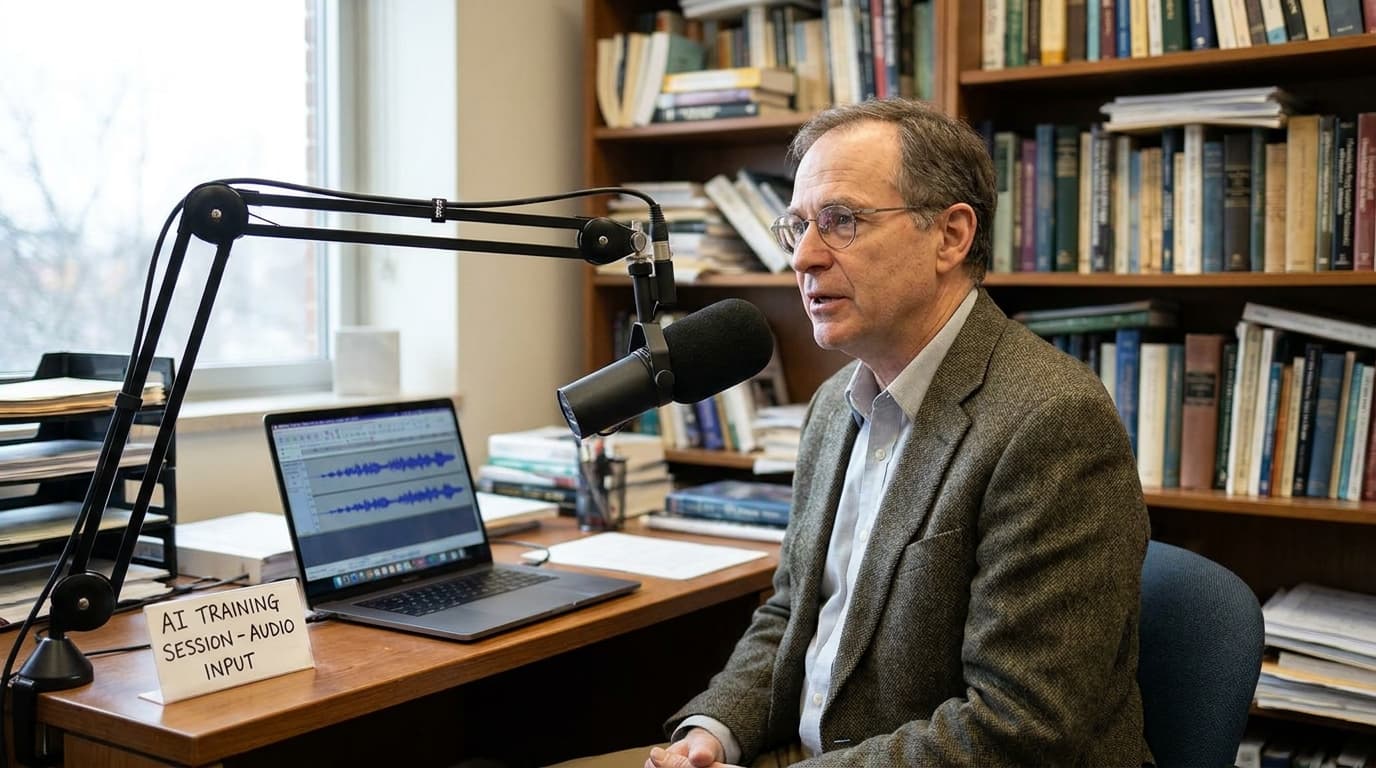
TL;DR: SuperMe raised $20M for its network of AI profiles built from the knowledge of real experts. When you ask a question, the platform creates a group chat with AI versions of the most relevant people to answer it.
Key facts
- Category
- AI
- Impact
- Medium
- Published
- Source
- TechCrunch
Full summary
SuperMe raised $20M to create AI profiles that answer questions by mimicking the knowledge and style of real-life experts.
A startup named SuperMe has secured $20 million in new funding to expand its novel platform for accessing expert knowledge. According to TechCrunch, the company is building a network of AI profiles that are digital replicas of real-life subject matter experts. The core idea is to move beyond generic chatbot answers by providing access to specialized, high-fidelity information. The user experience is designed to be collaborative. When a person poses a question, SuperMe’s system identifies the most suitable experts from its network and assembles their respective AI profiles into a private group chat. These AI agents then work together to provide a comprehensive and nuanced answer, simulating a conversation with a panel of human specialists.
The technical architecture behind SuperMe represents a significant step away from single, monolithic AI models. The platform’s innovation lies in its multi-agent approach. Each AI profile is a distinct, specialized model that has been extensively trained or fine-tuned on a specific expert's unique body of work. This likely includes their published writings, interview transcripts, public talks, and potentially proprietary data they agree to provide. By using techniques like Retrieval-Augmented Generation (RAG), the system can ground its responses in the expert’s actual content, ensuring authenticity and reducing the risk of hallucination. The “group chat” feature is more than just a user interface choice; it points to a collaborative inference process. The AI agents can build on each other's inputs, challenge assumptions, or provide different perspectives, ultimately synthesizing a more robust answer than any single agent could produce alone.
This development fits squarely into the broader evolution of the AI industry. We are witnessing a clear trend of moving from massive, general-purpose foundational models toward a diverse ecosystem of smaller, specialized agents designed for specific tasks and domains. While large AI labs build the underlying infrastructure, startups like SuperMe are creating value at the application layer by tailoring AI to solve specific business problems. The platform introduces a new way to monetize expertise, offering a scalable alternative to traditional consulting, speaking engagements, or book deals. It positions itself as a direct competitor to established expert networks like GLG or Catalant, which rely on scheduling calls with human experts. SuperMe’s asynchronous, AI-driven model offers a fundamentally different, and potentially more efficient, way to access high-value knowledge.
Looking forward, the success of SuperMe and similar platforms will depend on navigating several critical challenges. The first and most important is establishing trust. Users, especially in enterprise settings, must be confident that the advice from an AI profile is accurate, reliable, and faithfully represents the human expert's knowledge and opinions. This brings up complex legal and ethical questions about liability for bad advice. Secondly, the model relies on convincing top-tier experts to participate and allow their knowledge and likeness to be digitized, which will require a compelling and transparent revenue-sharing model. Finally, the company will need to build a strong technical moat to defend against competitors as the tools for creating specialized AI models become more widespread. The key areas to watch are how the company develops its policies on intellectual property and digital rights, and whether this AI-mediated expert model can gain traction in highly regulated fields such as finance, law, and medicine.
Why it matters
For engineers, this model showcases a practical application of multi-agent AI systems. Instead of relying on a single large model, it uses a team of specialized agents, each trained on distinct expert knowledge, to collaborate on answers. This pattern could influence the design of future complex problem-solving AI applications.
Business impact
SuperMe's approach threatens to disrupt the traditional expert network and consulting industries by offering scalable, on-demand access to specialized knowledge. It creates a new revenue model for individual experts and pressures existing knowledge brokers to develop their own AI strategies to remain competitive.
Related on Notifire
Related stories
Primary source: TechCrunch