Cerebras CEO: AI Doomsday Talk Hurts the Industry
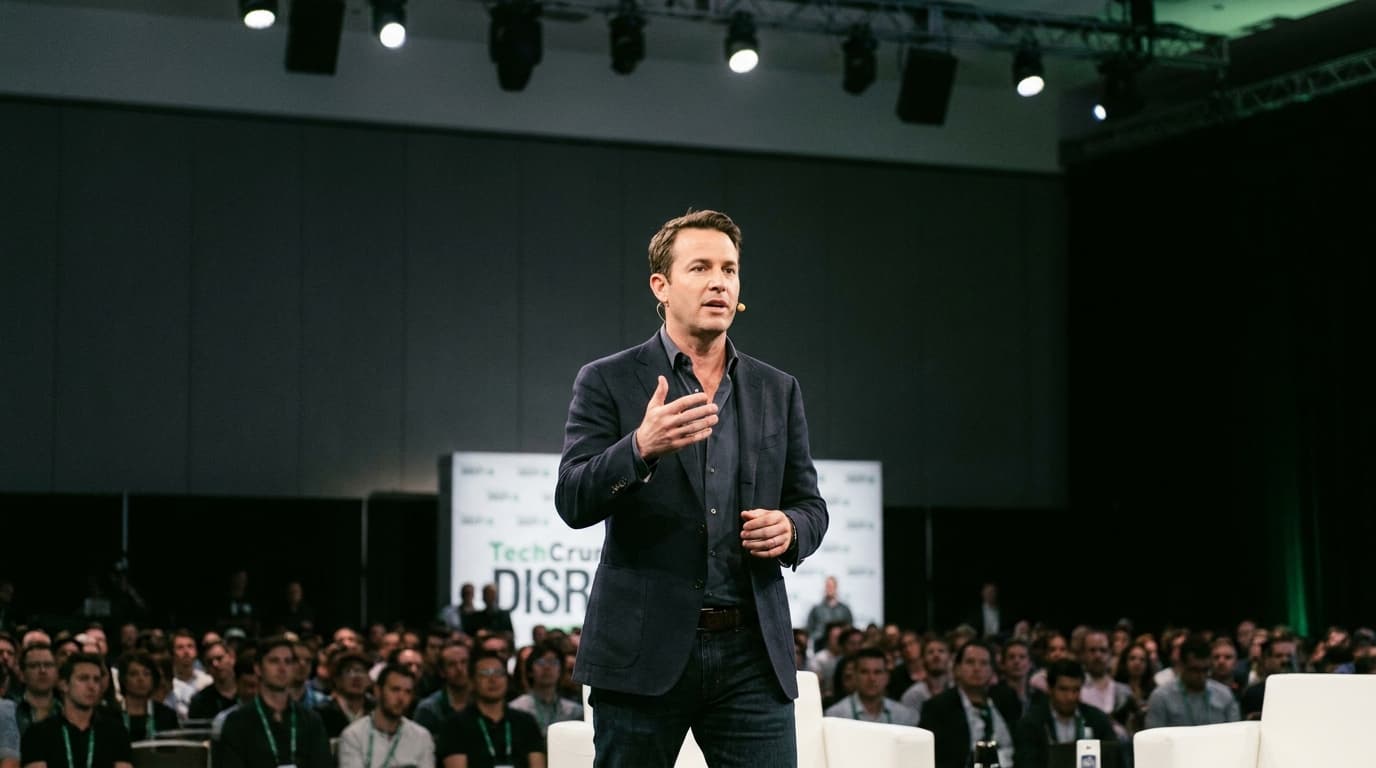
TL;DR: Cerebras CEO Andrew Feldman is urging AI leaders to stop focusing on doomsday scenarios. He argues the constant risk-talk overshadows AI's huge potential benefits and misleads the public conversation about the technology's future.
Key facts
- Category
- AI
- Impact
- Medium
- Published
- Source
- TechCrunch
Full summary
Cerebras CEO Andrew Feldman argues the AI industry's focus on existential risk is drowning out the technology's enormous potential benefits for society.
Cerebras Systems CEO Andrew Feldman has publicly called for AI industry leaders to tone down their rhetoric about existential risks posed by the technology. Speaking at the TechCrunch Disrupt conference, Feldman argued that the constant drumbeat of "doomsday warnings" is counterproductive, creating a public narrative that overshadows the immense potential benefits of artificial intelligence. According to the report from TechCrunch, his message was a direct challenge to prominent figures in the field who have increasingly focused on speculative, long-term dangers. Feldman’s position is that this focus is not only a distraction but also actively harmful, as it misdirects the conversation away from the tangible, positive impacts AI is already having and could have in areas like medicine, science, and productivity. He suggested that by amplifying these fears, the industry is inadvertently inviting heavy-handed regulation based on hypothetical scenarios rather than on present-day realities and opportunities. This stance adds a powerful voice from the hardware sector to a growing debate about how the AI community should communicate with the public and policymakers about the future of this transformative technology.
Feldman's perspective is deeply rooted in the business and engineering realities of his company, Cerebras. The firm designs and manufactures the Wafer-Scale Engine, a series of massive computer chips created specifically to accelerate the training of large-scale AI models. Their entire business model is predicated on the idea that bigger, more powerful AI systems are not just desirable but necessary for progress. Consequently, a narrative that equates scale with danger represents a direct threat to their commercial interests and technological roadmap. When prominent AI researchers or lab executives warn that models beyond a certain capability threshold could become uncontrollable, it creates a political climate where governments might consider imposing strict limits on the very computational power that Cerebras provides. This is not merely a philosophical disagreement for Feldman; it's a matter of market viability. His argument stems from a builder’s mindset, where the primary challenges are engineering and optimization, not speculative existential threats. By pushing back, he is defending the foundational premise of his company: that the path forward lies in building more, not in deliberately slowing down or stopping development due to fear of the unknown.
The incident is a clear illustration of the deepening ideological schism within the artificial intelligence community. For the past few years, the discourse has been increasingly polarized between two main camps. On one side are the "safety-ists" or "decelerationists," including pioneers like Geoffrey Hinton and leaders at labs like OpenAI and Anthropic, who have signed open letters warning of risks on par with nuclear war and pandemics. They advocate for cautious development, international oversight, and guardrails to prevent worst-case outcomes. On the other side are the "accelerationists" or "techno-optimists," such as Meta's Yann LeCun and now Cerebras's Andrew Feldman. This group contends that the doomsday scenarios are overblown, that open-source development and market competition are the best safeguards, and that the greatest risk is *not* pursuing AI's benefits aggressively enough. Feldman’s comments are significant because they bring a crucial hardware perspective to the optimist camp, grounding the debate in the physical infrastructure required to build advanced AI. This isn't just an academic debate; it's a battle for the narrative that will ultimately influence global regulation, research funding, and public trust for years to come.
For technology leaders, from startup founders to enterprise CTOs, this internal industry conflict has significant practical implications. The outcome of this debate will directly shape the regulatory environment in which all AI-driven businesses operate. If the "doomsday" narrative prevails, companies could face a future with stringent licensing requirements for training or deploying large models, mandatory audits, and potentially even caps on computational resources. This would create enormous barriers to entry and could entrench the market power of a few large incumbents. Conversely, if the techno-optimist view holds more sway, the ecosystem might remain more open and competitive, but companies will face greater pressure to self-regulate and demonstrate responsible practices to maintain public trust. Business leaders must therefore develop a clear and defensible position on AI safety and ethics that aligns with their strategy. It is no longer sufficient to simply build; companies must be prepared to articulate the societal value of their work and engage constructively in the policy conversations that will define their future. The next phase to watch will be how regulators in the U.S. and Europe incorporate these competing viewpoints into concrete legislation like the EU AI Act's enforcement and potential new rules from Washington.
Why it matters
For developers and CTOs, the debate over AI risk directly impacts the future of regulation. A narrative focused on doomsday scenarios could lead to strict controls on compute access and model development, potentially stifling innovation and creating high barriers to entry for smaller teams.
Business impact
This pushback from a major hardware CEO signals a growing rift in the AI industry over its public messaging. Companies must navigate this divide carefully, as the prevailing narrative will shape investor sentiment, customer trust, and the regulatory environment, directly affecting market growth.
Tags
Related on Notifire
Related stories
Primary source: TechCrunch