ChatGPT Voice Can Now Control Your Apps
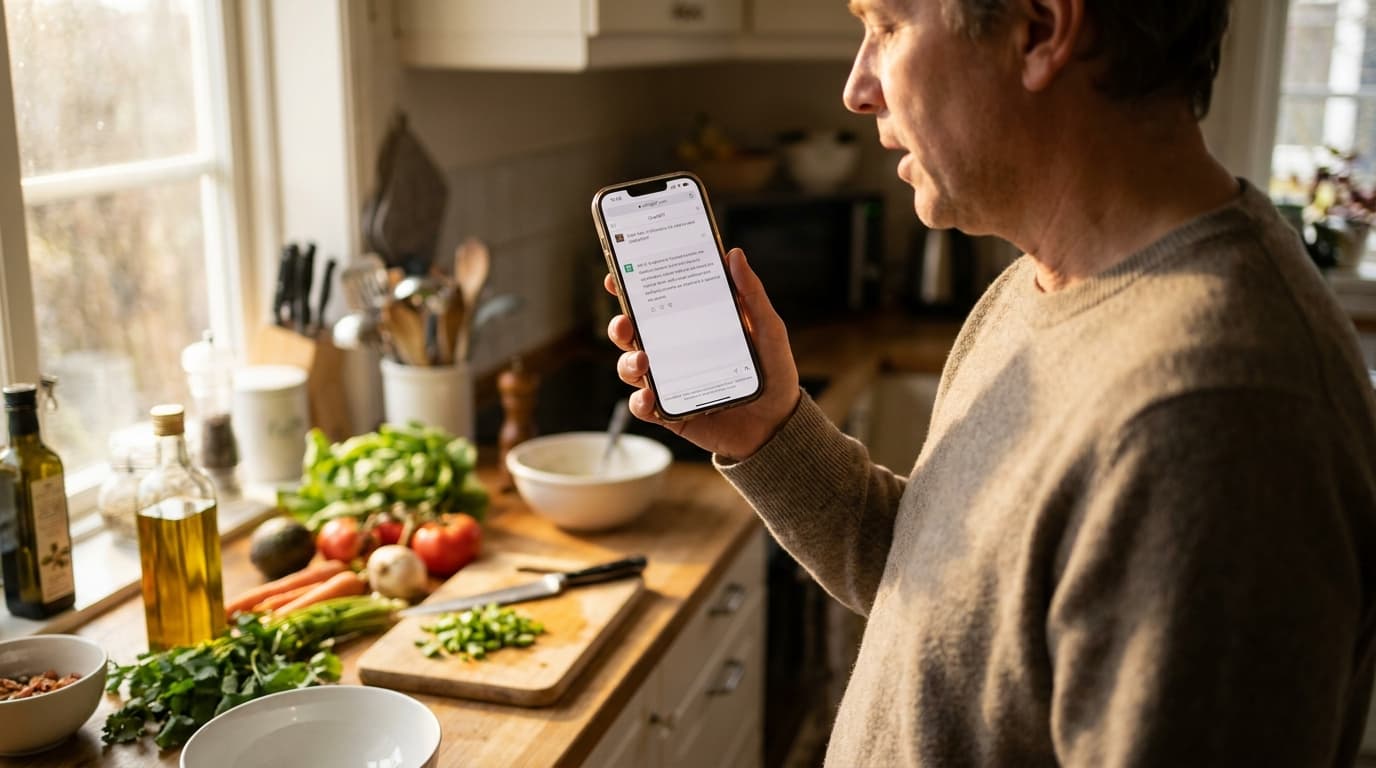
TL;DR: ChatGPT's voice feature can now use plugins and connected apps while you talk. This turns the AI from a simple conversationalist into a hands-free assistant that can complete tasks in other services for you.
Key facts
- Category
- AI
- Impact
- High
- Published
- Source
- TechRadar
Full summary
ChatGPT's voice mode now integrates with plugins and apps, letting you complete tasks in other services entirely through spoken conversation.
OpenAI has quietly enabled a significant new capability for its ChatGPT Voice feature, allowing it to integrate with plugins and connected applications during a live conversation. As reported by TechRadar, users of the platform's "Live" voice model can now perform multi-step tasks that bridge conversation with real-world action. For example, a user can discuss dinner ideas with the AI and then, within the same spoken exchange, instruct it to use a grocery app plugin to order the necessary ingredients. This enhancement fundamentally changes the nature of the voice interface, moving it beyond a tool for information retrieval and into the realm of a functional, hands-free personal assistant that can interact with other digital services on the user's behalf. It represents a critical step in making AI assistants not just knowledgeable, but genuinely useful in managing everyday digital workflows.
The underlying mechanism for this feature is a sophisticated orchestration of several AI components. When a user speaks, the system first converts the audio into text. The core language model then analyzes this text to understand the user's intent. The key innovation is the model's ability to recognize when fulfilling that intent requires an external tool. Upon identifying this need, the AI formulates a structured API call to the relevant plugin—such as a shopping, travel, or productivity app. After the plugin processes the request and returns data, the language model integrates this information back into its conversational context and generates a natural, spoken response. This entire process happens seamlessly within a few seconds, creating the illusion of a single, intelligent entity that can both talk and act. It elevates the voice model from a simple conversational front-end to a central controller capable of managing and executing tasks across a distributed network of third-party services.
This development places ChatGPT in direct competition with established voice assistant ecosystems like Amazon's Alexa and Google Assistant. For years, the primary value of those platforms has been their extensive libraries of "skills" and "actions" that connect them to smart home devices, e-commerce sites, and media services. OpenAI is now rapidly building a parallel ecosystem, but with a crucial advantage: a more powerful and flexible large language model at its core. Traditional assistants often struggle with complex, multi-part commands or conversations that deviate from rigid syntactical structures. ChatGPT's ability to understand natural, nuanced language could allow for far more complex and intuitive workflows, such as planning an entire trip by booking flights, reserving a hotel, and finding local restaurants through a single, evolving conversation. This shifts the competitive battleground from the sheer number of integrations to the quality and intelligence of the conversational orchestration.
For developers, CTOs, and businesses, the integration of plugins into ChatGPT Voice opens a powerful new frontier for user engagement. It provides a direct path to create voice-first experiences without the need to build and maintain a proprietary voice recognition and natural language understanding stack. By developing a ChatGPT plugin, companies can effectively make their services available through a highly capable, pre-existing voice interface used by millions. The immediate next phase to watch is the expansion of agent-like autonomy. While current interactions likely require user confirmation for key actions, future iterations will almost certainly handle more complex, multi-step tasks with less direct oversight. This evolution will further blur the lines between assistant and agent, while also raising important new questions around security, data privacy, and the permissions granted to AIs that can act on our behalf across the internet.
Why it matters
This integration marks a significant step toward multi-modal AI assistants that can both understand and act on spoken commands. For developers and UX designers, it signals a shift from purely conversational interfaces to more capable, hands-free agents that can orchestrate complex workflows across multiple services.
Business impact
Companies can now build voice-first user experiences directly into the ChatGPT ecosystem, creating new channels for customer engagement and e-commerce. This move pressures competitors like Google Assistant and Alexa to deepen their own third-party integrations, intensifying the race to become the dominant platform for AI-driven actions.
Tags
Related on Notifire
Related stories
Primary source: TechRadar