AI Is Pushing Leaders to Reinvent Everything
TL;DR: Tech leaders are moving past deploying individual AI agents for specific tasks. They now see AI as a driver for continuous, company-wide reinvention, forcing a fundamental rethink of how businesses operate and create value.
Key facts
- Category
- AI
- Impact
- High
- Published
- Source
- CIO.com
Full summary
Leaders are shifting from deploying single AI tools to using the technology for continuous, full-scale enterprise reinvention.
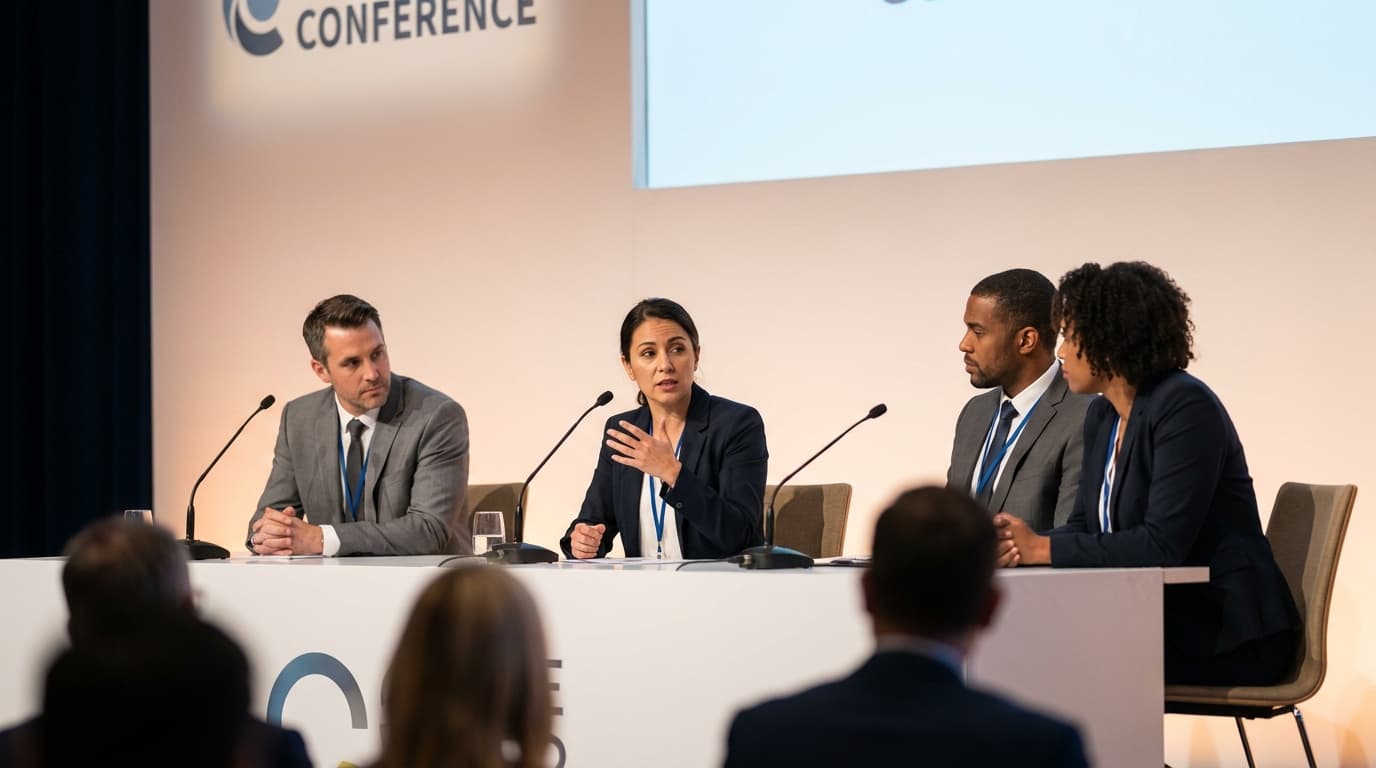
A significant strategic shift is underway in how corporate leaders approach artificial intelligence, according to discussions at the CIO 100 Leadership Live conference in Boston. As reported by CIO.com, executives are moving beyond the narrow goal of deploying individual AI agents to solve specific problems. Instead, they are embracing a much broader and more ambitious challenge: using AI as a catalyst for the continuous reinvention of their entire enterprise. This marks a departure from measuring success by the return on investment of a single AI tool. The new focus is on fundamentally rethinking business processes, structures, and strategies based on what emerging technologies now make possible, treating innovation as an ongoing process rather than a one-time project.
The technological driver behind this shift is the rise of more capable systems, sometimes called agentic AI. Unlike earlier AI models designed for discrete tasks like classifying images or translating text, these advanced systems can reason, plan, and execute multi-step actions to achieve complex goals. This capability changes the conversation from simple automation to genuine transformation. For example, instead of an AI that just answers customer support questions, an agentic system could analyze support trends, identify a recurring product flaw, draft a bug report for engineering, and schedule a meeting with the product team to discuss a solution. This ability to orchestrate complex workflows across different departments is what forces leaders to think about reinvention rather than just optimization.
This evolution mirrors previous technology-driven business transformations. In the 1990s, the internet wasn't just a new sales channel; it forced companies to completely rethink their supply chains, marketing, and customer relationships. Similarly, the rise of cloud and mobile computing wasn't just about cheaper servers or apps; it enabled entirely new, digital-native business models. The current AI-driven push for enterprise reinvention represents a third wave. It’s not about digitizing existing processes or moving them to the cloud. It is about using intelligent systems to fundamentally change how work is done, how decisions are made, and how value is created across the entire organization, demanding a more profound and holistic approach than prior tech shifts.
For CTOs, founders, and technical teams, this trend signals a change in their role within the organization. The job is no longer simply to evaluate and implement third-party AI solutions for specific departments. Instead, technical leaders must become core strategic partners, helping the business identify opportunities for deep, systemic change. The primary challenge is twofold: building a flexible, scalable, and secure technical foundation that can support constant evolution, and fostering a company culture that embraces experimentation and continuous adaptation. Going forward, expect to see a move away from siloed AI “Centers of Excellence” and toward embedding AI expertise and development capabilities directly within every business unit, making reinvention a shared, organization-wide responsibility.
Why it matters
This strategic shift means engineering and IT teams will be tasked with building more integrated, adaptable systems, not just isolated AI tools. The focus moves from single-use-case models to creating a flexible, AI-native foundation that supports constant evolution across the entire organization.
Business impact
Companies that only focus on narrow AI applications risk falling behind competitors who are fundamentally redesigning their operations. This new approach demands long-term investment and a cultural shift toward constant change, impacting everything from product development to internal workflows.
Tags
Related on Notifire
Related stories
Primary source: CIO.com