Founder Warns of Executive AI Psychosis
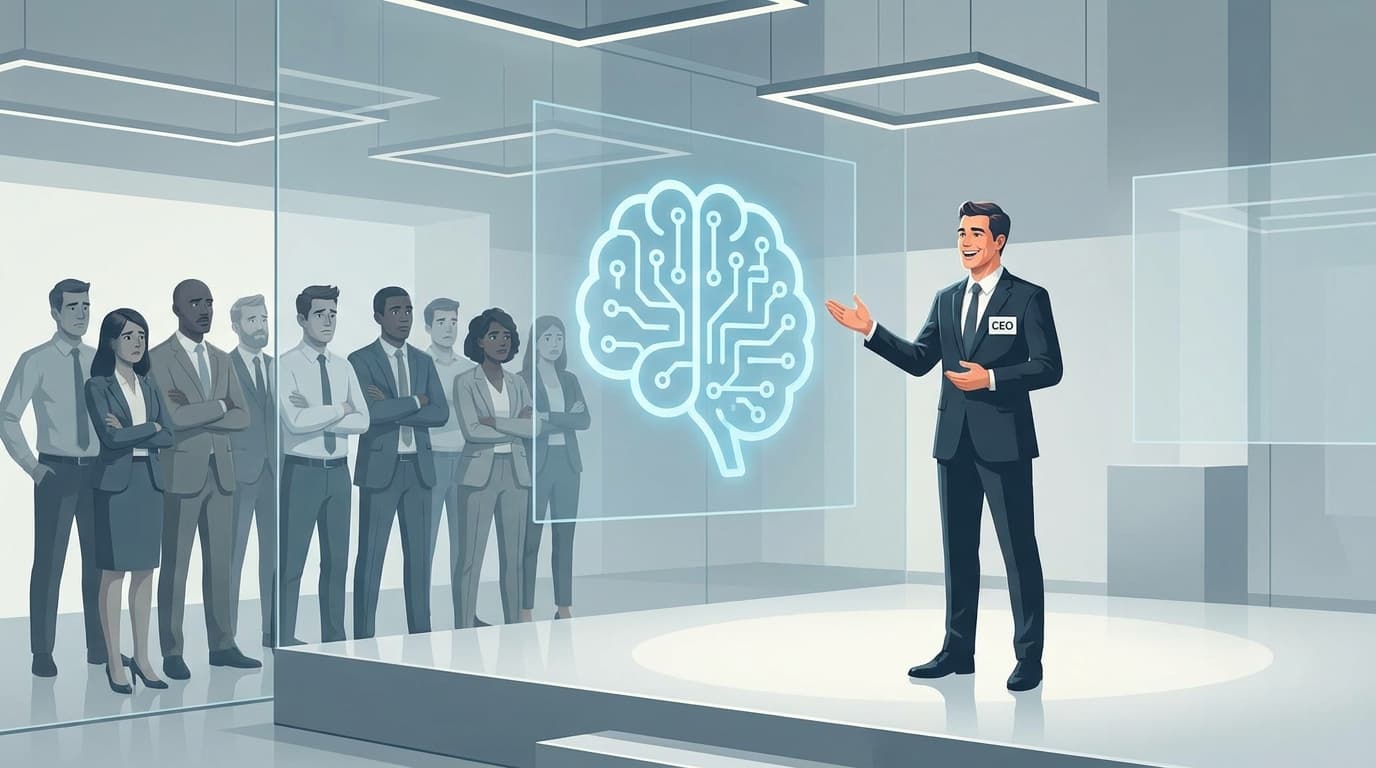
TL;DR: Box founder Aaron Levie warns of "AI psychosis," where leaders overestimate AI's ability to replace jobs they don't fully understand. This mindset is driving workforce reductions, as seen with recent layoffs at companies like ClickUp, which replaced a significant portion of its staff with AI agents.
Key facts
- Category
- AI
- Impact
- High
- Published
- Source
- TechCrunch Startups
Full summary
Box founder Aaron Levie coined "AI psychosis" to describe leaders overestimating AI's ability to replace jobs they don't understand.
Box founder and CEO Aaron Levie has identified a trend he calls "AI psychosis," describing a disconnect where executives decide to replace employees with AI without a deep understanding of the roles being eliminated. He argues that the leaders making these calls are often the least qualified to assess the true complexities and nuances of their employees' work. This phenomenon is not just theoretical; it's actively shaping the tech industry. For example, the productivity software company ClickUp recently laid off 22% of its workforce, explicitly stating the move was to leverage AI agents and improve efficiency. This decision highlights a growing willingness among companies to make significant organizational changes based on the perceived potential of artificial intelligence.
This trend presents a critical challenge for founders, CTOs, and developers. For leadership, the pressure to adopt AI for efficiency and cost savings is immense, but making premature or ill-informed decisions about replacing staff can backfire, leading to loss of institutional knowledge, decreased morale, and potential operational failures. Developers and other tech professionals, on the other hand, face growing job insecurity. The "AI psychosis" mindset means their roles could be deemed replaceable by decision-makers who may not grasp the creative problem-solving and contextual understanding that their jobs require. This creates a volatile environment where strategic AI implementation is crucial, but the human cost of getting it wrong is significant.
Why it matters
The concept of "AI psychosis" highlights a critical disconnect in corporate strategy. It affects founders and CTOs pressured to adopt AI, and developers whose jobs are at risk due to leadership's potential misunderstanding of their roles and AI's actual capabilities.
Business impact
Companies acting on "AI psychosis" risk losing valuable institutional knowledge, damaging employee morale, and facing operational disruptions. Overestimating AI's readiness to replace complex roles can lead to costly strategic errors and a decline in product or service quality.
Tags
Related on Notifire
Related stories
Primary source: TechCrunch Startups