How LinkedIn Gave Its AI Assistant a Memory
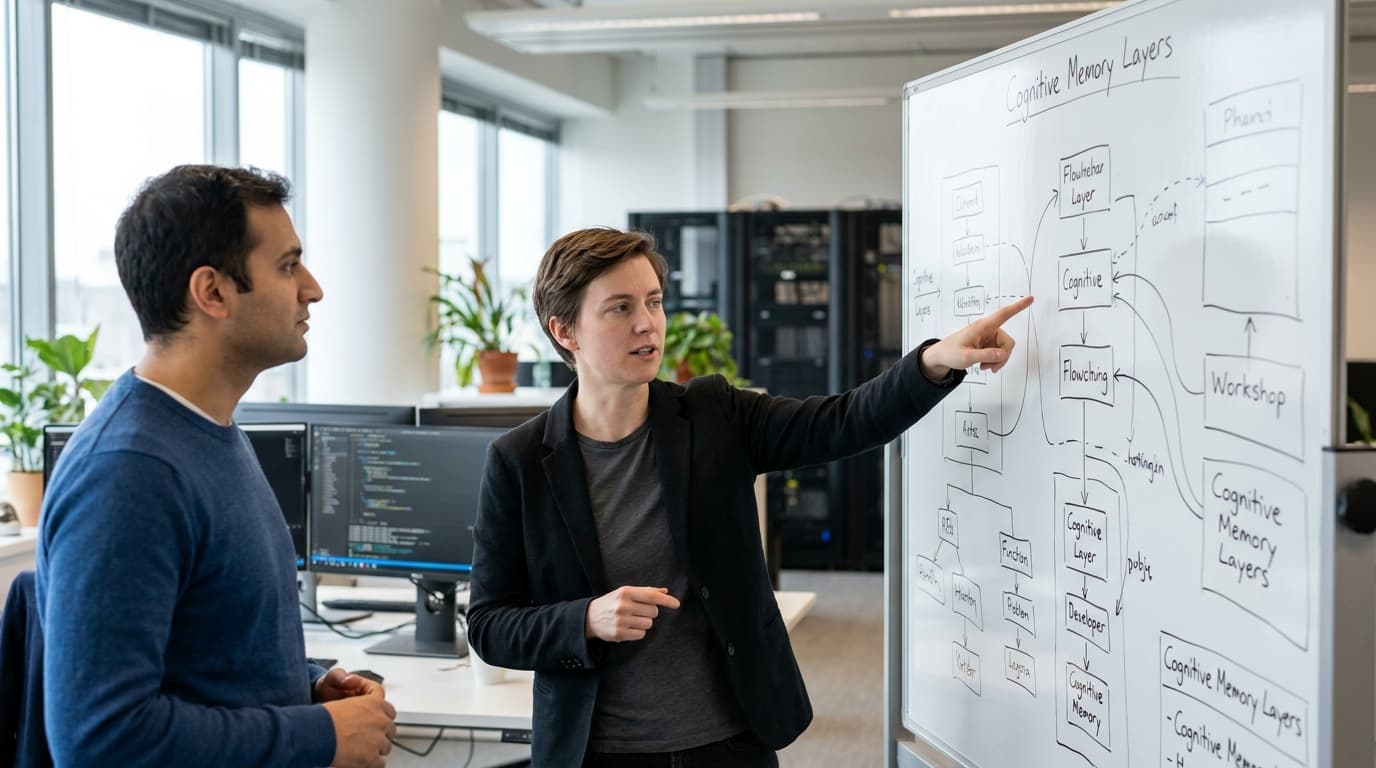
TL;DR: LinkedIn has developed a four-layer memory system for its AI hiring assistant. This architecture allows the agent to remember past interactions, creating a more personalized and continuous experience for users seeking jobs or hiring talent.
Key facts
- Category
- AI
- Impact
- High
- Published
- Source
- Stack Overflow Blog
Full summary
LinkedIn's AI hiring assistant now has a four-layer memory system, enabling it to remember past conversations for truly personalized interactions.
LinkedIn is developing a sophisticated memory for its AI-powered hiring assistant, aiming to transform it from a simple tool into a personalized career agent. In a recent Stack Overflow Blog discussion, Principal AI Researcher Praveen Bodigutla detailed the company's work on a four-layer “cognitive memory” system. This architecture is designed to give the AI a persistent state, allowing it to remember users and their conversation history over time. The goal is to move beyond the limitations of stateless chatbots, which treat every interaction as a new one, and create a continuous, evolving dialogue that feels more natural and is significantly more useful for both job seekers and recruiters.
At the core of this system is a multi-layered architecture inspired by human cognition. The first layer acts as a short-term, working memory, holding the immediate context of the current conversation. The second is an episodic memory, which stores specific past interactions, allowing the agent to recall previous conversations or tasks. The third layer is a semantic memory, where the AI synthesizes and stores generalized knowledge about the user, such as their skills, career aspirations, and preferences. Finally, a procedural memory layer helps the agent remember how to perform complex, multi-step tasks tailored to the user's needs. This structure enables the AI to not only recall what was said but also understand the user's broader context and goals.
This development is significant because it provides a practical blueprint for building stateful, agentic AI systems—a major challenge in the field. For developers and CTOs, LinkedIn’s approach demonstrates how to move beyond the simple context windows of today's large language models. Creating a durable, long-term memory allows an AI to learn from interactions and improve its performance over time, making it a true assistant rather than a reactive query engine. It represents a crucial step toward creating AI that can build relationships with users, understand their history, and anticipate their needs, which has been a long-standing goal in artificial intelligence research and product development.
The business implications are substantial, particularly in the competitive HR technology landscape. An AI assistant that remembers a user's entire job search history, preferences, and feedback becomes an invaluable and highly sticky tool. This deep personalization creates a powerful competitive advantage for LinkedIn, making its platform more effective and harder for users to leave. For other industries, this serves as a case study in how investing in advanced AI memory systems can drive user engagement and create a defensible product moat. It signals a market shift from transactional AI interactions to relational AI that fosters long-term user value and loyalty.
Looking ahead, the implementation of such cognitive memory systems will become a key differentiator for AI applications across all sectors. As companies build more autonomous agents, the ability to manage memory effectively will be paramount. This will also introduce new challenges related to data privacy, user control, and the potential for AI to develop biases based on historical data. The industry will need to establish best practices for allowing users to view, edit, or delete their AI's memory. LinkedIn's work is an early indicator of this trend, highlighting both the immense potential of agentic AI and the complex considerations that come with it.
Why it matters
LinkedIn's multi-layer memory system provides a concrete blueprint for building stateful AI agents. It shows developers and product leaders how to move beyond stateless chatbots to create truly personalized, adaptive assistants that remember users and their goals over time.
Business impact
This technology raises the competitive bar for personalization in professional networking and HR tech. By creating an AI assistant that builds a long-term relationship with users, LinkedIn can increase engagement and product stickiness, forcing competitors to invest in similar agentic capabilities.
Tags
Related on Notifire
Related stories
Primary source: Stack Overflow Blog