How LinkedIn Manages Its AI Agent Workforce
TL;DR: LinkedIn is building a unified platform to manage its AI agents for engineering tasks like coding and UI testing. This approach moves beyond scattered AI tools, creating a scalable system for complex, multi-agent workflows.
Key facts
- Category
- AI
- Impact
- High
- Published
- Source
- InfoQ
Full summary
LinkedIn is building a unified platform to manage its AI agents, moving beyond scattered tools for a more scalable engineering approach.
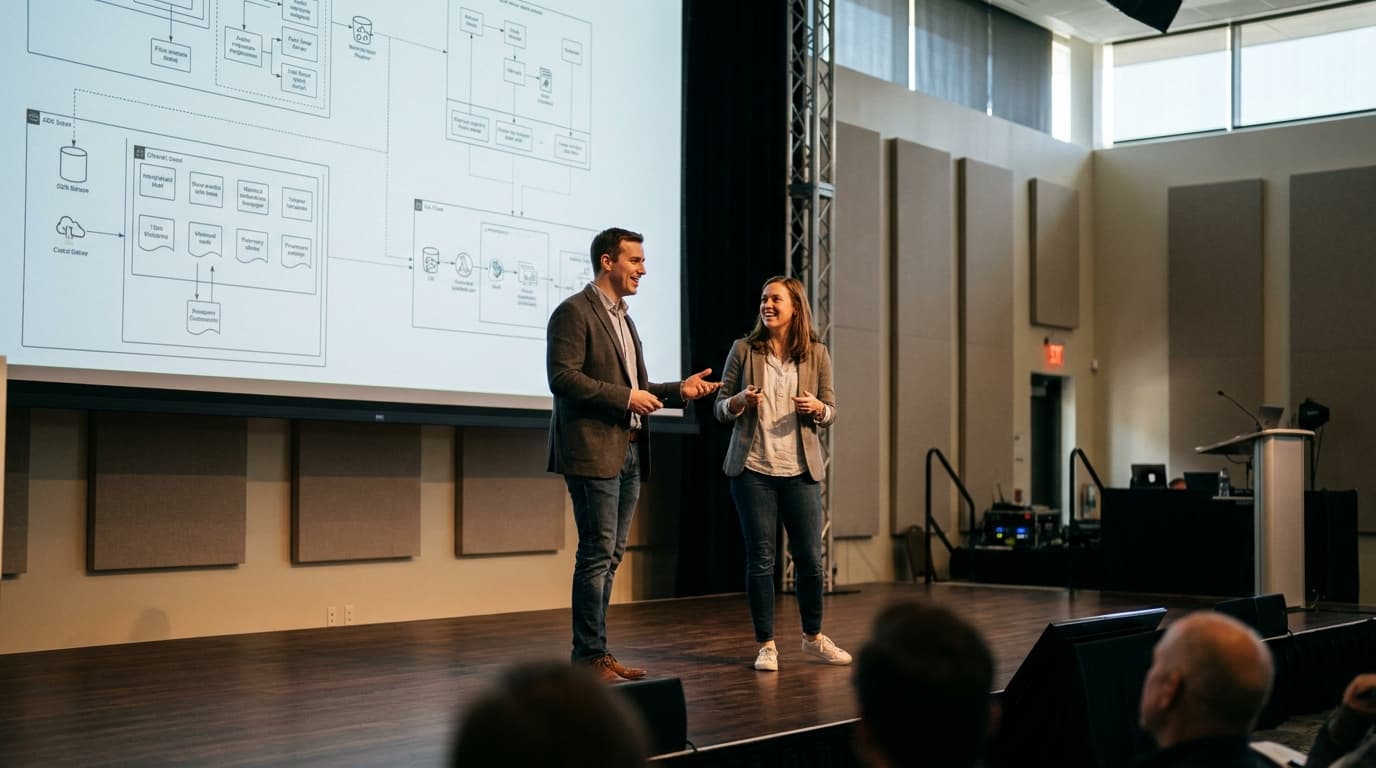
LinkedIn engineers are moving beyond simple AI assistants by building a unified platform to manage teams of specialized AI agents. In a recent presentation, they detailed how this platform provides a new execution model for large-scale engineering tasks. Instead of fragmented, one-off AI implementations, their system offers shared infrastructure for orchestration, context management, and safe tooling. This allows different AI agents—such as those designed for writing code, observing system performance, or conducting user interface tests—to work together in a coordinated way. The goal is to create a scalable and consistent foundation for deploying multiple agents across the organization.
This architectural approach provides a valuable blueprint for CTOs and engineering leaders. By centralizing the management of AI agents, companies can ensure safety, maintain standards, and avoid redundant work. It shifts the focus from using individual AI copilots to operationalizing entire workflows run by multiple, collaborating agents. For developers and IT teams, this means gaining access to powerful, pre-approved tools and contexts, accelerating development cycles. This model is particularly relevant for any organization looking to integrate AI deeply into its core processes, rather than just using it for peripheral tasks.
LinkedIn's strategy highlights a significant industry trend: the move from single AI tools to multi-agent systems that can tackle more complex, end-to-end problems. As this technology matures, such platforms could become a standard component of the modern software development stack. Businesses should monitor the development of these AI-native platforms, as they have the potential to fundamentally reshape how engineering teams design, build, and maintain software. The insights from early adopters like LinkedIn offer a practical guide for navigating this transition.
Why it matters
LinkedIn's platform provides a blueprint for how large organizations can move beyond ad-hoc AI tools to a structured, scalable system of collaborating AI agents. This is crucial for CTOs and engineering leaders aiming to integrate AI deeply into the software development lifecycle.
Business impact
Adopting a platform approach for AI agents can increase engineering velocity, ensure security and compliance, and reduce redundant development efforts. It enables companies to tackle more complex problems with AI, potentially leading to faster product innovation and more efficient operations.
Tags
Related on Notifire
Related stories
Primary source: InfoQ