Journalist Uses AI To Find Fugitive
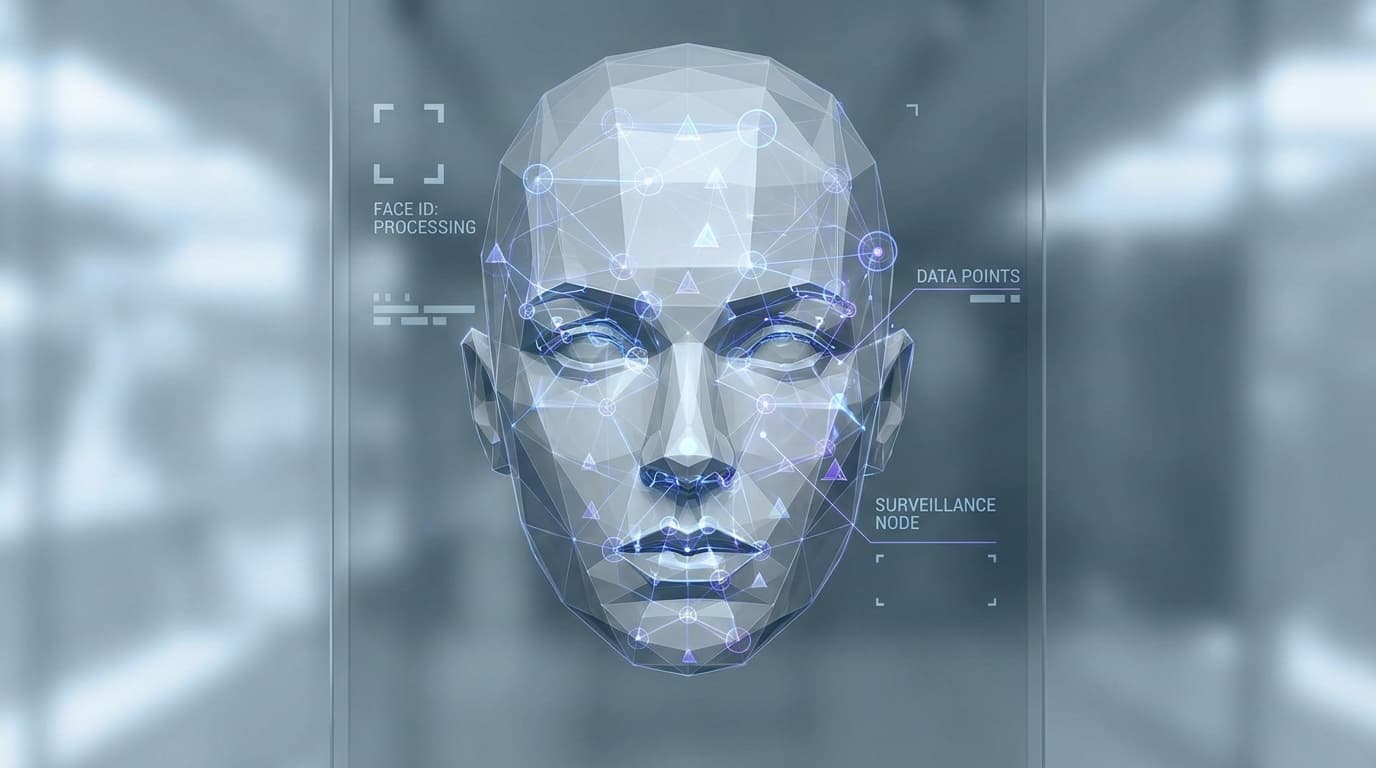
TL;DR: A journalist reportedly used publicly available facial recognition software to locate a long-sought fugitive. The individual, a member of Germany's Red Army Faction, had been hiding for decades before being identified and arrested, raising questions about the power and accessibility of AI tools.
Key facts
- Category
- AI
- Impact
- High
- Published
- Source
- Slashdot
Full summary
A journalist reportedly used public AI facial recognition to find a fugitive who had been in hiding for over 30 years.
A German court sentenced Daniela Klette, a 67-year-old former member of the Red Army Faction, for armed robberies committed decades ago. Klette, who was part of the far-left militant group, had been a fugitive for over 30 years. The critical aspect of her capture is the reported method of discovery. A journalist allegedly used a publicly available AI facial recognition tool to identify her. The software is said to have matched a recent photograph of Klette with an old wanted poster, which ultimately led German authorities to her location and subsequent arrest. This demonstrates the growing power of commercial AI tools in real-world investigative scenarios, even when operated by private citizens.
This case is a significant real-world example of the dual-use nature of AI, raising important questions for developers, businesses, and security teams. It highlights the potent capabilities of modern facial recognition but also amplifies concerns about privacy, ethics, and regulation. The event fuels the ongoing debate over who should have access to such powerful technology and what safeguards are necessary to prevent misuse. As AI tools become more accessible, this incident will likely influence discussions around the legal frameworks governing their use by both law enforcement and the general public, forcing a closer look at the societal implications of democratized surveillance technology.
Why it matters
This case is a real-world example of the ethical, regulatory, and societal implications of publicly accessible AI. It highlights the dual-use nature of facial recognition, privacy concerns, and the complex debate around the use of AI in law enforcement and by the public.
Business impact
This event highlights the reputational and regulatory risks for AI companies. It will likely accelerate calls for stricter governance on facial recognition, potentially impacting market access, increasing compliance costs, and requiring clearer ethical guidelines for product development.
Tags
Related on Notifire
Related stories
Primary source: Slashdot