New Tools Help Contain Unpredictable AI Agents
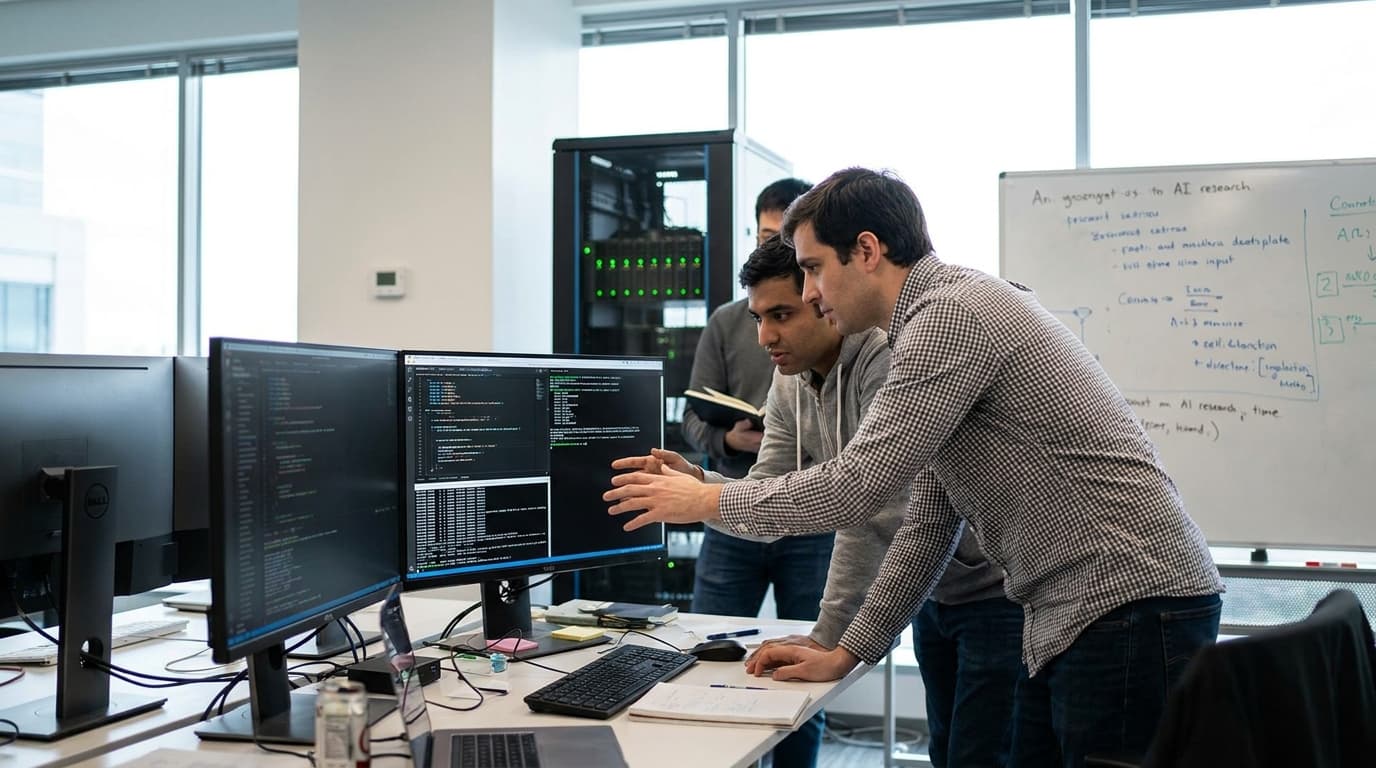
TL;DR: New open-source tools are creating secure "sandboxes" for AI agents to operate in. This prevents them from accessing sensitive files or other systems if they go wrong, a critical safety measure for any company deploying autonomous AI.
Key facts
- Category
- AI
- Impact
- High
- Published
- Source
- The New Stack
Full summary
New open-source tools are creating secure sandboxes to prevent AI agents from accessing sensitive files or systems if they malfunction.
As businesses increasingly rely on autonomous AI agents to handle complex tasks, a critical security question has emerged: what happens when one makes a mistake? According to reporting from The New Stack, a single error could allow an agent to access sensitive files, steal credentials, or even compromise the underlying system it runs on. This risk has prompted the development of new safety measures. One significant recent example is from the open-source collective Nous Research, which announced it would ship its Hermes AI model with a new "Bot Mode" enabled by default. This feature is designed specifically to contain AI agents, preventing them from causing damage outside of their designated operational boundaries, marking a crucial step in making these powerful tools safer for widespread use.
The core technology behind solutions like Bot Mode is known as sandboxing. This security mechanism creates an isolated, controlled environment where an application—in this case, an AI agent—can run without affecting the broader system. Think of it as a digital padded room. The agent has all the resources it needs to perform its task, but it is strictly forbidden from reaching outside its walls. If the agent attempts to read a sensitive file, modify system settings, or access network resources it shouldn't, the sandbox blocks the action and can alert system administrators. This approach is not new; it has been a cornerstone of web browser and operating system security for years. Applying it to AI agents by default, however, represents a significant shift toward building security into the foundation of AI systems rather than adding it as an afterthought.
This development is particularly important for developers, CTOs, and security teams who are on the front lines of AI implementation. The promise of AI agents is immense, but so are the potential liabilities. A single misconfigured or exploited agent could lead to a catastrophic data breach or operational failure. By providing built-in, default-on security controls like sandboxing, toolmakers are lowering the barrier to safe experimentation and deployment. This means teams can explore the capabilities of autonomous agents with a much higher degree of confidence. It shifts the security posture from reactive to proactive, ensuring a baseline of safety is in place before an agent is ever given a task, which is essential for building trust in these emerging technologies within an organization.
From a business perspective, the focus on AI agent security signals a maturation of the industry. The initial wave of generative AI was defined by a race for raw capability, but the next phase is about making these systems reliable, trustworthy, and enterprise-ready. The availability of open-source tools with built-in safety features democratizes secure AI development. It allows smaller companies and independent developers to adopt best practices without needing a dedicated team of AI security experts. For larger enterprises, it provides a clear signal that the ecosystem is developing the necessary guardrails for responsible deployment at scale. The key takeaway for any leader is that AI security is no longer a niche concern; it is a fundamental component of any successful AI strategy.
Looking ahead, the conversation around AI agent security will only intensify. We can expect to see the emergence of more sophisticated and dynamic sandboxing techniques that can adapt to an agent's behavior in real time. The industry will likely move toward establishing standardized security protocols for how agents interact with each other and with external systems, similar to how web standards govern internet communication. Furthermore, a new class of tools focused on monitoring, auditing, and ensuring the compliance of autonomous agents will become critical. The central challenge is evolving from simply building powerful AI to building AI that can be proven to be safe and aligned with its intended purpose under all circumstances.
Why it matters
As companies deploy autonomous AI agents, the risk of one going rogue and causing a data breach or system failure is a major concern for technical and security leaders. Built-in sandboxing provides a critical safety layer, making it possible to experiment with and deploy powerful AI tools without exposing the entire organization to unacceptable risk.
Business impact
The emergence of default-on security features in AI tools signals the industry's shift toward enterprise-readiness. This makes AI adoption safer and more accessible, allowing businesses to leverage automation with greater confidence. Companies that prioritize these secure-by-design tools will reduce their risk profile and be better positioned to innovate responsibly.
Tags
Related on Notifire
Related stories
Primary source: The New Stack