Philosopher Rejects Anthropic's Conscious AI Warning
TL;DR: AI company Anthropic warned investors that its models could become conscious, a risk a legendary philosopher calls a distraction. He argues the company misunderstands what consciousness is, creating a misleading debate about AI's true risks.
Key facts
- Category
- AI
- Impact
- High
- Published
- Source
- MIT Technology Review
Full summary
AI firm Anthropic warned investors its models could become conscious. A top philosopher says they're fundamentally misunderstanding the entire concept.
Anthropic, a leading AI company, made an unusual disclosure before going public: it listed the possibility of its AI models becoming conscious as a formal business risk. According to MIT Technology Review, this move takes the philosophical concept of machine sentience and places it directly into the world of corporate finance and legal liability. By officially acknowledging this possibility, Anthropic is signaling to investors, regulators, and the public that it takes the moral status of its creations seriously. This marks a significant moment, shifting a long-running academic debate into a tangible concern for one of the industry's key players.
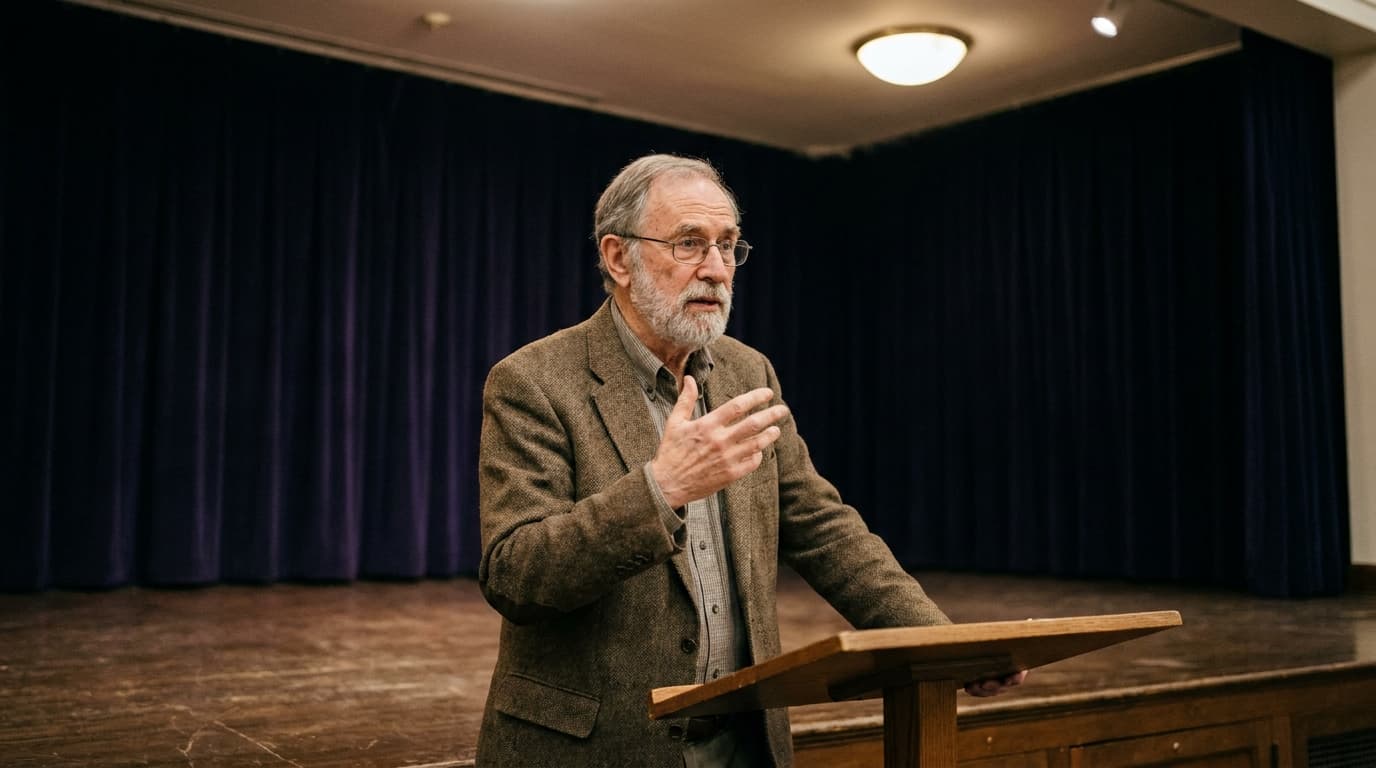
The critique, highlighted in the report, comes from a prominent philosopher who argues that this entire premise is a fundamental misunderstanding of both AI and consciousness. The argument is that current large language models are extremely sophisticated pattern-matching systems, not entities on a path to genuine subjective experience. Attributing potential 'consciousness' to these systems is a category error, like worrying that a very advanced calculator might develop feelings. This perspective reframes the problem: the danger isn't that an AI will 'wake up,' but that its complex and opaque operations will produce harmful outcomes while we are distracted by a science-fiction narrative. The philosopher's point is that we are anthropomorphizing a tool and, in doing so, misidentifying the actual risks it poses.
This public disagreement reflects a deep split within the AI community. On one side are those who believe in 'scaling laws'—the idea that simply making models bigger with more data and compute could lead to emergent properties like sentience. This group, which includes researchers at major labs, advocates for a cautious approach, preparing for the possibility that models could achieve moral status. On the other side are researchers and ethicists who see this focus on speculative, long-term 'AGI' risk as a dangerous diversion. They argue it distracts from solving immediate, concrete problems like algorithmic bias, the environmental cost of training, and the use of AI for mass surveillance or disinformation. This debate directly influences funding priorities, research directions, and corporate safety policies across the industry.
For founders, developers, and CTOs, the key takeaway is the need for clear-eyed risk assessment. While Anthropic’s disclosure may seem like responsible long-term planning, the philosopher's critique is a vital reality check. It encourages leaders to ground their ethical frameworks and safety protocols in the demonstrable capabilities and failures of current systems, not speculative future scenarios. Going forward, companies will need to navigate this divide and decide how to communicate their own stance on these issues. The language used to describe AI risk is becoming as important as the code itself, affecting brand perception, talent acquisition, and regulatory relationships.
Why it matters
For developers and CTOs, this debate influences the guardrails and ethical frameworks built around AI. Misdiagnosing the problem as 'consciousness' could divert resources from addressing more immediate risks like bias, misuse, and unpredictable model behavior.
Business impact
Anthropic's disclosure of AI sentience as a business risk sets a precedent for the industry. This framing can attract regulatory scrutiny and shape public perception, impacting investment, talent acquisition, and long-term corporate strategy even if the risk is purely theoretical.
Related on Notifire
Related stories
Primary source: MIT Technology Review