Standard Chartered to Replace Jobs with AI
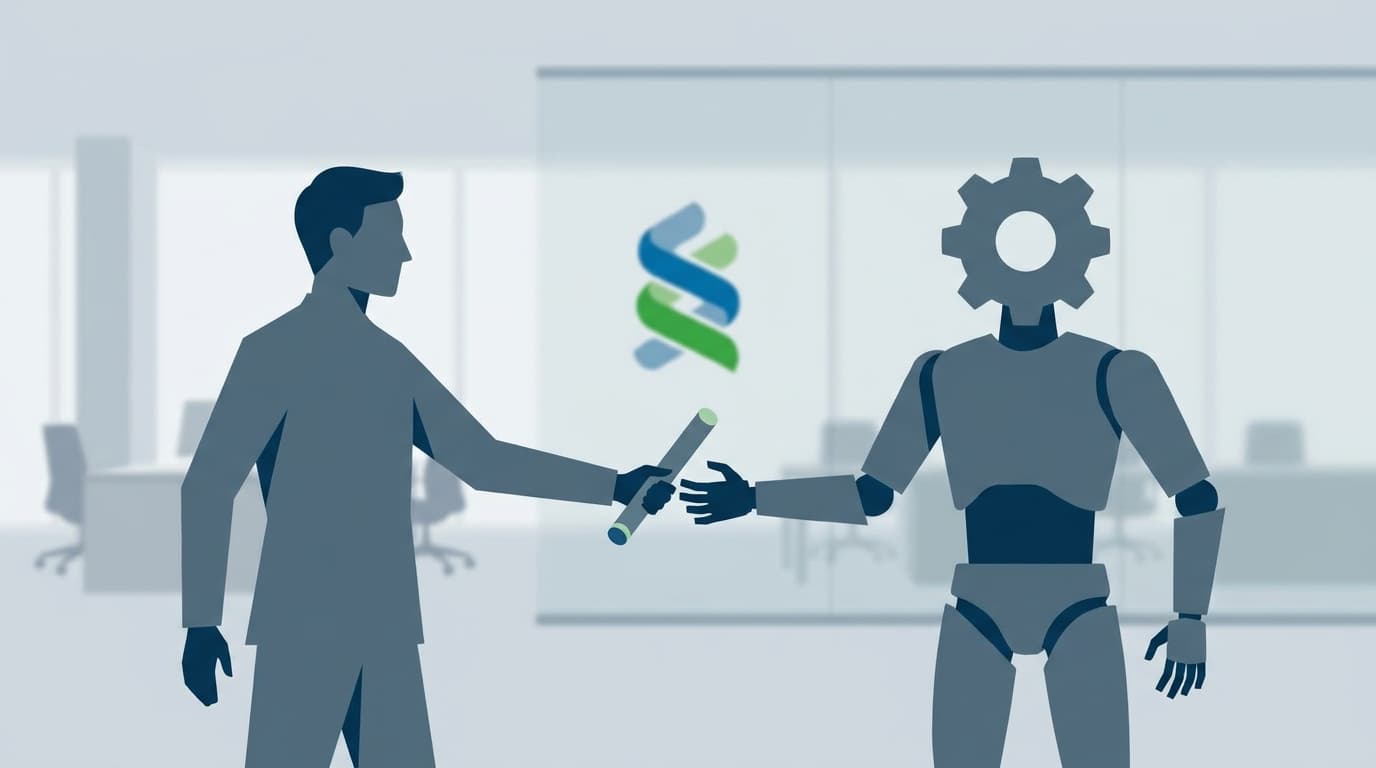
TL;DR: Standard Chartered plans to cut over 7,000 jobs by 2030, replacing what its CEO calls "lower-value human capital" with AI and automation. The bank states this is an investment in technology, not just a cost-cutting measure, and will offer retraining opportunities to affected staff.
Key facts
- Category
- AI
- Impact
- High
- Published
- Source
- Slashdot
Full summary
Standard Chartered will cut over 7,000 jobs by 2030, using AI and automation to replace roles described as "lower-value human capital."
Standard Chartered, the London-headquartered bank, announced it will eliminate over 7,000 positions by 2030. CEO Bill Winters stated the move is part of a strategy to replace some "lower-value human capital" with automation and artificial intelligence. He framed the decision as a strategic investment in financial and technological capital rather than a simple cost-cutting exercise.
The bank has committed to offering retraining programs to help employees whose roles are impacted by this technological shift. Winters emphasized that workers who are willing to reskill will be given every opportunity to find new positions within the company. This announcement represents a significant real-world example of a major financial institution explicitly linking large-scale job reductions to its AI adoption strategy.
For technology and business leaders, this move signals a broader trend in enterprise automation and workforce transformation. It highlights the growing pressure on companies to evaluate how AI can restructure operations for greater efficiency. The decision also underscores the importance of investing in employee development and reskilling programs to manage the transition to a more automated workplace effectively.
Why it matters
A major global bank is explicitly linking over 7,000 job cuts to its AI strategy, signaling a significant acceleration in enterprise AI adoption and workforce transformation. This is a key data point for leaders planning automation and assessing the real-world impact of AI on jobs.
Business impact
The move highlights a strategic shift in large enterprises from human capital to technology for certain roles, aiming for increased efficiency. It signals a trend where companies may increasingly justify large-scale automation as a strategic investment rather than simple cost-cutting, impacting long-term workforce planning and budgets.
Tags
Related on Notifire
Related stories
Primary source: Slashdot