AI Can Find Your Home From an Indoor Photo
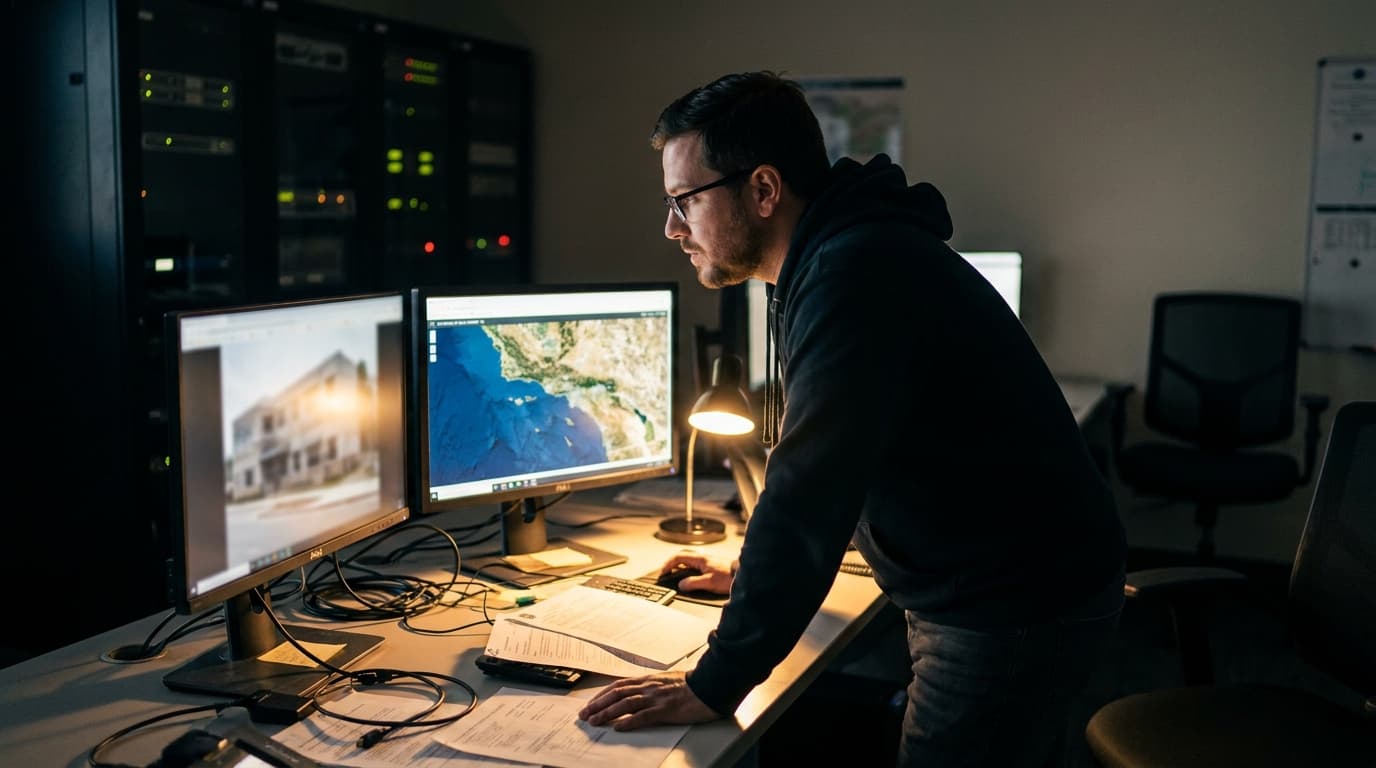
TL;DR: A new AI tool called Raven can identify a specific home using only visual clues from an indoor photo, without any location data. This creates a powerful new tool for surveillance and a major privacy risk for everyone.
Key facts
- Category
- AI
- Impact
- Critical
- Published
- Source
- Malwarebytes Labs
Full summary
A new AI tool can pinpoint a specific home using only visual clues from a photo taken inside, creating a powerful new surveillance tool.
A new artificial intelligence tool can identify the exact home a photo was taken in, using only the visual information inside the picture. According to a report from Malwarebytes Labs, a company named Graylark has developed a system called Raven AI that accomplishes this feat. For years, security-conscious individuals have known to strip metadata, such as GPS coordinates, from photos before sharing them online. This practice was considered a reliable way to protect one's location. However, Graylark’s technology makes that precaution obsolete. By analyzing visual clues within an image—like the layout of a room, the view from a window, or unique architectural features—Raven AI can match an indoor photo to a specific property, effectively bypassing traditional data privacy measures and opening a new frontier in surveillance.
The technical mechanism behind this capability represents a sophisticated application of large-scale data correlation and machine learning. While Graylark has not detailed its exact methods, the system likely works by cross-referencing the target photo against a massive database of publicly available real estate images. Platforms like Zillow, Redfin, and Realtor.com host millions of property listings that include both detailed interior photos and precise street addresses. Raven AI would be trained to extract a unique “fingerprint” from an indoor space, analyzing features like window placement, flooring type, light fixtures, and room dimensions. It then searches its vast index of property images for a match. This process transforms the challenge into a large-scale image retrieval problem, where the AI is not just finding similar images but identifying a unique location based on its distinct interior characteristics.
This development fits into a broader trend of AI automating and scaling complex analytical tasks that once required specialized human skill. The ability to geolocate a photograph from subtle clues has long been a niche expertise, famously demonstrated by open-source intelligence (OSINT) analysts and players of the game GeoGuessr. These experts manually piece together clues like language on signs, types of foliage, or architectural styles to pinpoint a location. Raven AI institutionalizes and automates this process, making it faster, more scalable, and accessible as a service. It also highlights the concept of “practical obscurity” rapidly eroding. Information that was technically public but difficult to find and correlate—like the interior of a specific home—is now indexed and searchable, creating privacy vulnerabilities from previously innocuous data.
For founders, developers, and security teams, the existence of Raven AI fundamentally changes the threat model for visual information. The long-standing advice to “strip your metadata” is no longer a sufficient safeguard against location tracking. This has immediate operational security (OPSEC) implications for any organization. A photo from a press release taken inside a new R&D facility, an engineer’s social media post from their home office, or even marketing materials showing the corporate headquarters could potentially be used to identify precise locations for corporate espionage, social engineering, or physical threats. Looking ahead, the key thing to watch is the accessibility of this technology. While Raven is likely marketed to law enforcement and intelligence agencies for now, it is only a matter of time before similar capabilities become available through open-source models or commercial APIs, putting powerful surveillance tools into more hands.
Why it matters
This leap in visual geolocation demonstrates that privacy can be compromised even when EXIF data is stripped from images. For engineers and security teams, it highlights a new threat model where any shared indoor photo becomes a potential source for precise, real-world location tracking, bypassing traditional data protection methods.
Business impact
The emergence of tools like Raven AI creates a new class of corporate security and executive protection risks. Businesses must now consider the operational security (OPSEC) implications of any publicly shared images from offices or employee homes, as they could be used for targeted corporate espionage or physical threats.
Tags
Related on Notifire
Related stories
Primary source: Malwarebytes Labs