AI and a Pinhole Camera Defeat a National Exam
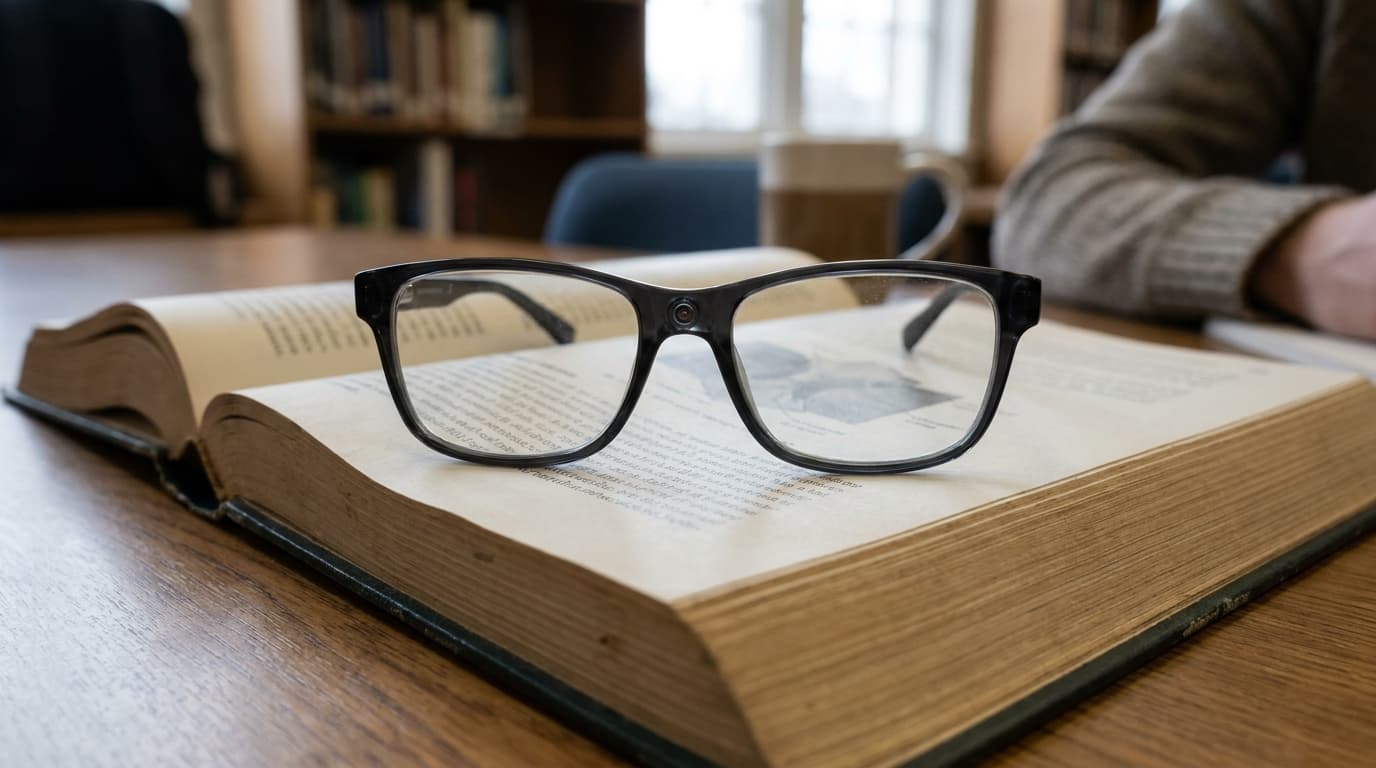
TL;DR: A South Korean student used a hidden camera and earpiece to feed exam questions to an AI, scoring nearly perfectly. This case shows how easily available tech can now bypass high-security testing environments.
Key facts
- Category
- AI
- Impact
- High
- Published
- Source
- TechRadar
Full summary
A student combined a pinhole camera, an earpiece, and AI to score 159/160 on a high-stakes national exam in South Korea.
A student in South Korea demonstrated a powerful new method for cheating, achieving a near-perfect score on a national exam using a combination of generative AI and covert hardware. According to a report from TechRadar, the individual, identified as Han Won-seok, scored 159 out of 160 before turning himself in. The incident serves as a practical, high-stakes case study of a security threat that experts have been warning about. It moves the problem of AI-assisted cheating from a theoretical concern to a proven reality. The case highlights the growing challenge of maintaining integrity in secure environments, showing that a determined individual can now assemble a sophisticated system to bypass traditional safeguards.
This system worked by creating a real-time, covert loop between the physical exam room and a remote AI model. The student used a miniature pinhole camera, likely concealed in his eyeglasses or clothing, to capture images of the exam questions. These images were then transmitted, probably via a hidden smartphone, to a generative AI service. The AI processed the questions and generated answers, which were then relayed back to the student through a concealed earpiece. The novelty is not in the individual components, which are all commercially available, but in their seamless integration. This setup effectively smuggled a powerful computational brain into a secure testing facility, creating an attack vector that is difficult to detect with standard physical security checks.
This event is a significant escalation in the ongoing battle between academic integrity and technology-enabled cheating. Previously, concerns around AI in education focused primarily on plagiarism in written assignments or using AI to solve homework problems. This incident elevates the threat by breaching the controlled environment of a proctored exam. It sets a dangerous precedent for any organization that relies on high-stakes testing, from universities to professional certification bodies in IT, finance, and medicine. As both the AI models and the miniaturized hardware become more powerful, accessible, and affordable, the barrier to entry for executing such a scheme is rapidly falling. It signals a shift from preventing access to information to needing to verify the authenticity of the test-taker's own cognitive work.
For security, IT, and leadership teams, this incident forces a critical re-evaluation of existing threat models for any secure assessment. Traditional proctoring methods, such as human supervision and basic electronic device bans, are clearly no longer sufficient. Organizations must now consider more advanced countermeasures, such as radio frequency (RF) scanners to detect unauthorized transmissions. They may also need to redesign assessments to focus more on applied skills and complex problem-solving, which are harder to answer with a simple AI query. The future of secure testing will likely involve a cat-and-mouse game, pitting more sophisticated proctoring technologies against increasingly clever methods of AI-assisted cheating. This case is a clear signal that the policies and technologies used to ensure integrity must evolve immediately.
Why it matters
This incident provides a real-world blueprint for bypassing secure assessments. For security and IT teams, it demonstrates a new, accessible threat vector combining consumer IoT hardware and generative AI that could be used to compromise professional certifications, corporate training, or even internal security protocols.
Business impact
Companies relying on certifications for hiring or compliance face a new risk to workforce integrity. The validity of high-stakes exams is now in question, potentially devaluing credentials and creating a need for more sophisticated, and likely more expensive, proctoring and identity verification technologies.
Tags
Related on Notifire
Related stories
Primary source: TechRadar