Use of AI Agents in Business to Surge 300%
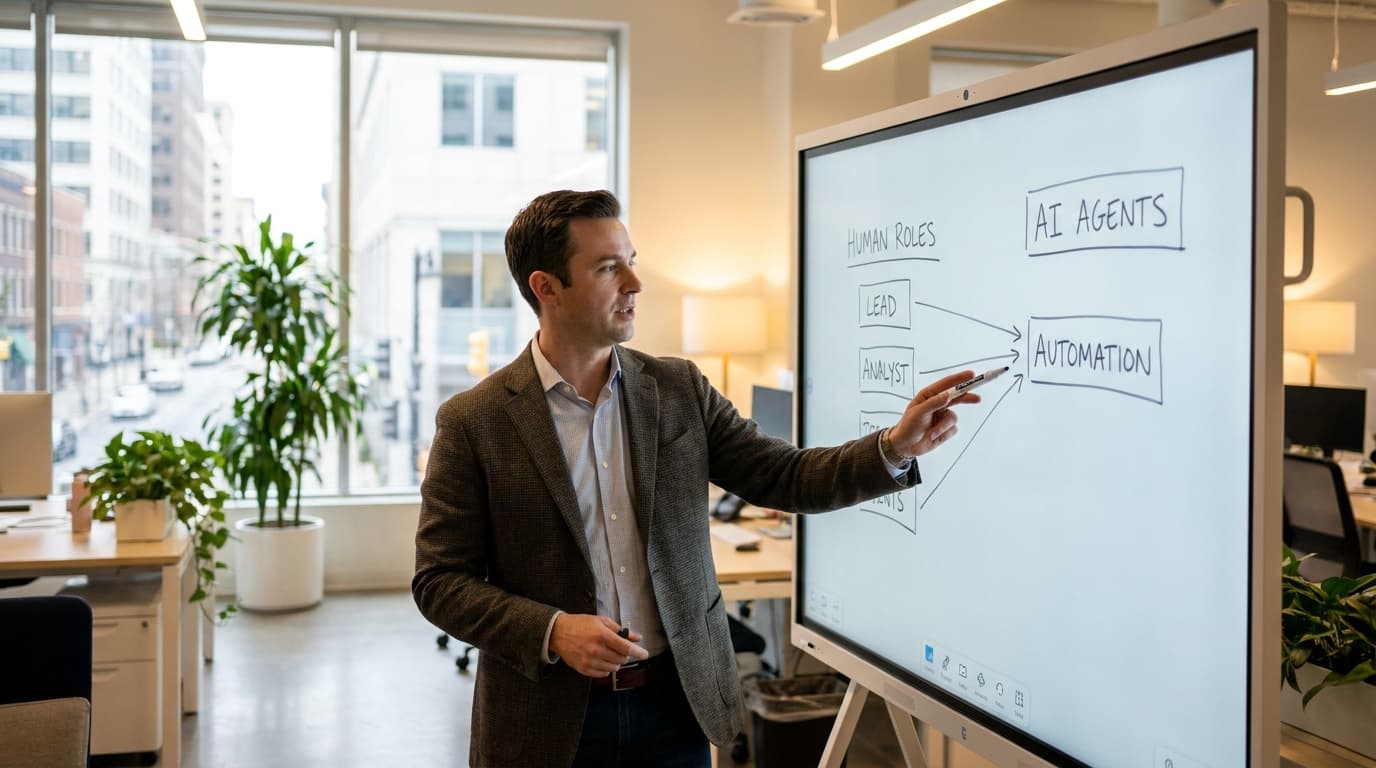
TL;DR: The use of autonomous AI agents in business is expected to surge by 300% in the next two years. Unlike current tools, these agents can handle complex tasks on their own, creating a new kind of hybrid human-AI workforce.
Key facts
- Category
- AI
- Impact
- High
- Published
- Source
- MIT Technology Review
Full summary
Companies are preparing for a 300% surge in AI agent adoption, creating new hybrid teams of humans and autonomous AI collaborators.
Business leaders are preparing for a massive shift in their workforce as the adoption of AI agents is expected to surge by as much as 300% over the next two years. These are not the simple automation tools many companies use today, which often require manual triggers and supervision. Instead, AI agents are designed to be autonomous collaborators. They can independently coordinate complex projects, access different software tools, and operate across multiple digital environments within an organization. This capability allows them to handle sophisticated workflows without constant human intervention, fundamentally changing the nature of automated work.
This rapid rise of AI agents has significant implications for founders, CTOs, and IT leaders. For leadership, it presents a strategic challenge and an opportunity to redefine productivity and team structures. Managing a hybrid team of humans and AI requires new skills and a different approach to delegation and oversight. For IT and security teams, the challenge is equally critical. Autonomous agents that can interact with various company systems introduce new potential security vulnerabilities and management complexities. Ensuring these agents operate securely and efficiently, without creating new risks, will be a top priority for technical teams tasked with their deployment and maintenance.
As companies move from experimenting with AI to integrating it deeply into their operations, the focus will shift toward governance and leadership. The key question is no longer just what AI can do, but how to lead in an enterprise where some of your most productive team members are not human. Developing frameworks for collaboration, setting clear boundaries for AI autonomy, and training human employees to work alongside these new digital colleagues will be essential for success. The coming years will test how effectively organizations can adapt their strategies to manage this new, more capable form of artificial intelligence.
Related on Notifire
Related stories
Primary source: MIT Technology Review