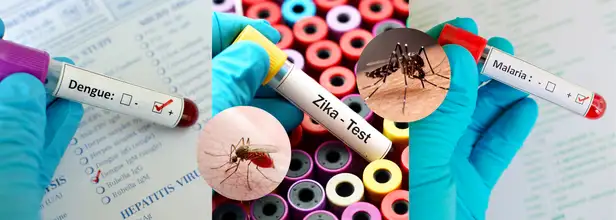
The World Health Organization (WHO) has released comprehensive Arboviral Diseases treatment guidelines for the first time. These guidelines give clear, unified advice on diagnosis and care for infections caused by mosquito-borne viruses such as dengue, Zika, and chikungunya. With these guidelines, countries now have reliable protocols to reduce severe outcomes and prevent outbreaks.
What Are Arboviral Diseases?
Arboviral Diseases are illnesses caused by viruses transmitted through bites of infected mosquitoes or ticks. Common ones include dengue, Zika, chikungunya, and yellow fever. Symptoms often include fever, body aches, rash, and, in serious cases, bleeding or neurological complications.
- Caused by viruses spread via mosquitoes/ticks
- Can range from mild to life-threatening
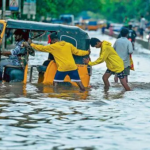
- Often peak during rainy seasons
- Preventable through control of vector populations
How Arboviral Infections Spread
Understanding how arboviral diseases spread is key to controlling outbreaks. These viruses live in infected mosquitoes. When a mosquito bites an infected person, it becomes a carrier. That mosquito can then transmit the virus to healthy individuals through bites. Control of breeding sites and reducing human–mosquito contact are essential.
- Mosquito bites transfer virus to humans
- Infected human-mosquito-human cycle
- Seasonal and environmental influence (rain/humidity)
- Community efforts in vector control are needed
Common Arboviral Diseases in India
India faces annual outbreaks of dengue and chikungunya, especially during the monsoon. Yellow fever isn’t common here, but with global travel, there’s a risk of importation. Zika has also been detected in a few states. These diseases put enormous pressure on India’s healthcare system during peak seasons.
- Dengue outbreaks in urban areas
- Chikungunya in southern and western states
- Zika in isolated reports
- Seasonal rise in cases during and after rains
WHO Issues First Unified Treatment Guidelines
WHO’s arboviral diseases guidelines offer unified best practices for treating these infections. They include early warning signs, decision criteria for hospitalization, fluid management, and follow-up care. These are the first global protocols that countries can adopt to standardize patient treatment and improve outcomes.
Read the full WHO guidelines for details and implementation steps.
Paracetamol Over Platelets in Dengue Care
One major recommendation is to use paracetamol over platelet transfusions as the first-line treatment for dengue fever, unless clinically required. The guidelines warn against routine platelet transfusions, which may do more harm than good. Paracetamol is effective for fever and safer for most patients.
- Paracetamol for fever & pain relief
- Delay platelet transfusion until medically necessary
- Reduces unnecessary strain on blood banks
- Helps standardize dengue care globally
Focus on Early Detection and Outbreak Control
The WHO emphasizes early detection and outbreak control measures, such as enhanced testing, rapid reporting, and community education. These steps can save lives and prevent health services from becoming overwhelmed. Vector control, public awareness, and vaccination where available are also vital.
- Routine testing in fever cases
- Monitor and report suspected outbreaks
- Strengthen community vector control programs
- Educate public on prevention and care
Why These Guidelines Matter for India Now
For India, these new Arboviral Diseases guidelines are timely and critical. With annual outbreaks, especially dengue, having standardized care can reduce deaths and serious complications. These protocols also aid health workers and hospitals during surge periods and ensure preparedness across regions.
Conclusion:
WHO’s unified guidelines on Arboviral Diseases mark a major step forward in global health. By clarifying treatment approaches like paracetamol use and discouraging unnecessary platelet transfusions, they provide practical tools to improve care quality. With robust detection systems, preventative measures, and public engagement, India can significantly reduce the burden of mosquito-borne illnesses.
Stay connected with Notifire for more updates.