In a move that has ignited significant debate, the Assam government has proposed a bill mandating the registration of Muslim marriages and divorces. This legislative proposal is aimed at standardizing and legally recognizing these personal events within the Muslim community, but it has faced considerable opposition, leading to a dramatic walkout by opposition members during the legislative session.

Key Provisions of the Bill
The “Assam Muslim Marriage and Divorce Registration Bill” seeks to establish a formal process for documenting Muslim marriages and divorces. The bill includes several important provisions:
- Compulsory Registration: Muslim marriages and divorces must be officially registered with a designated government authority. This involves submitting relevant documents and following prescribed procedures.
- Legal Validity: The registration process would grant legal recognition to these events, potentially influencing issues related to inheritance, alimony, and child custody.
- Penalties for Non-Compliance: The bill proposes penalties for individuals or clerics who perform marriages or divorces without proper registration, aiming to enforce compliance with the new regulations.
Objectives Behind the Bill
The Assam government justifies the bill by highlighting its intent to safeguard the rights of individuals and ensure that marital and divorce matters are legally recognized. Proponents argue that the bill will introduce greater transparency and structure, potentially enhancing the enforcement of legal rights and obligations for those involved.
By establishing a formal registration process, the government aims to address legal ambiguities and provide clearer documentation for marital and divorce-related issues. Supporters believe this will benefit individuals, especially women and children, by ensuring their rights are upheld.
Controversy and Opposition
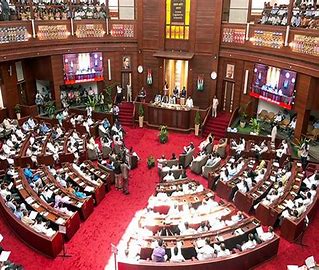
The bill’s introduction has been met with strong resistance, resulting in a walkout by opposition parties. Their objections include:
- Religious Concerns: Critics argue that the bill encroaches on personal and religious practices, potentially infringing on religious freedoms by imposing state regulations on religious ceremonies.
- Implementation Issues: There are worries about the practicality of enforcing the registration process. Opponents fear that bureaucratic challenges could disproportionately affect individuals who struggle to comply with the new requirements.
- Political Implications: Some view the bill as politically motivated, suggesting it may be used to target specific communities or create divisions. The timing and context of the bill have raised questions about the government’s intentions.

Potential Impact and Future Considerations
The proposed bill represents a significant shift in Assam’s approach to personal law and registration practices. If passed, it could serve as a model for other regions considering similar measures. The bill’s effectiveness will depend on addressing the concerns raised by critics and implementing the new requirements in a way that respects both legal standards and religious practices.
As the legislative process moves forward, it will be important for all stakeholders—including legal experts, religious leaders, and community representatives—to engage in constructive dialogue. This will help ensure that the bill, if enacted, achieves its goals without compromising individual rights or freedoms.
The coming months will be crucial in determining the bill’s future and its potential impact on Assam’s legal and social landscape. The outcome could have significant implications not just for Assam but for how other states in India approach similar issues concerning personal law and religious practices. As the debate continues, it will be essential to monitor how the discourse evolves and what compromises, if any, are made to balance the various interests involved.