Summary:
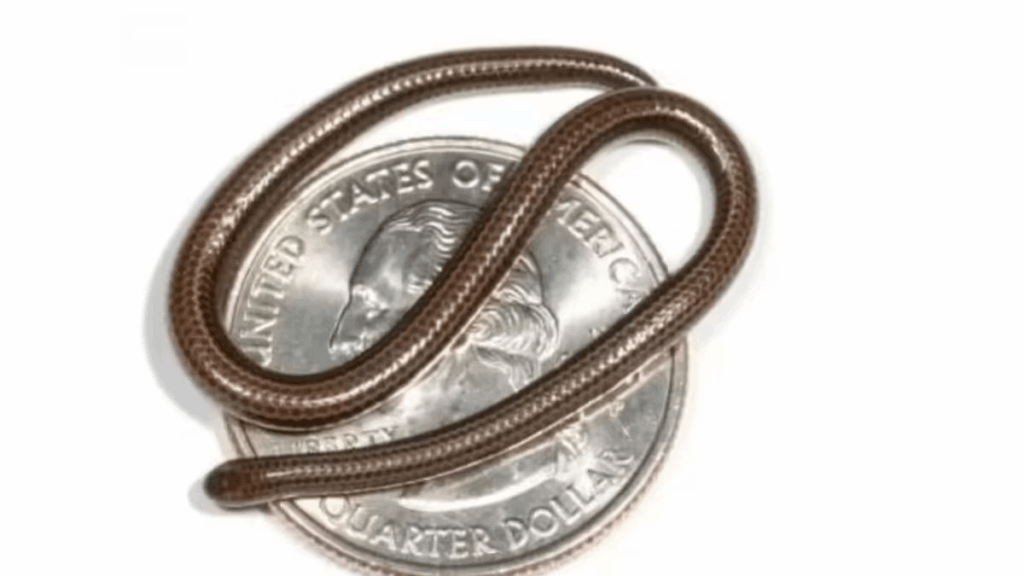
The world’s smallest snake, the Barbados Threadsnake, has been found again after almost two decades. Discovered in the forests of Barbados, this tiny reptile has attracted global attention. It is about the size of a spaghetti noodle and was first found in 2008. Scientists are excited as this rediscovery highlights the island’s rich biodiversity and stresses the urgent need for habitat protection. The news also brings focus on the importance of conserving rare and lesser-known species for a balanced ecosystem. Barbados has once again made headlines in global conservation news.
Discovered in Barbados Forests
The rare Barbados Threadsnake was recently spotted again in the forests of Barbados. This species had gone unrecorded for nearly twenty years. Found near fragmented forest patches, its habitat is under constant pressure from development and human interference. Rediscovering it has brought attention to the fragile forest zones of Barbados.
Smallest Snake on the Planet
The Barbados Threadsnake is known as the world’s smallest snake, measuring just about 10 cm in length. It is so thin that it can easily slide through a pencil hole. This tiny snake belongs to the Leptotyphlopidae family and is mostly active during the night, feeding on termites and ants. Its size and rarity make it one of the most fascinating creatures in the reptile world.
Why This Discovery Matters
This rediscovery is a major win for herpetologists and wildlife researchers. It proves that even the smallest species can disappear unnoticed if their habitats aren’t protected. It also reflects the power of conservation efforts and how even lost species may be brought back into scientific view. The find reminds us how little we know about many lesser-studied creatures.
Impact on Global Biodiversity
Finding the Barbados Threadsnake again shows the importance of small island biodiversity. Barbados, though small in area, plays a big role in supporting rare and unique species. This rediscovery adds to the island’s global conservation value and calls for stronger wildlife protection laws to preserve such species.
Scientific Curiosity Ignited
The sighting has reignited scientific interest in Caribbean reptiles. Researchers are expected to visit Barbados for more fieldwork, hoping to study the snake’s behavior, habitat preferences, and population size. This opens doors for more regional research and educational programs around conservation biology.
Future of Species Conservation
Conservationists believe that protecting habitats in Barbados is key to saving species like the Threadsnake. Steps like reducing deforestation, limiting construction in forest areas, and spreading public awareness can help. Local involvement in protection efforts will ensure that such unique species don’t disappear again.
About Notifire:
At Notifire, we aim to bring verified news on wildlife, environment, and conservation to our readers in a simple and easy format. Our platform makes current events understandable for all age groups, keeping you informed and curious. Stay updated with real news that matters.
Sources : Adda 247