Choosing the right transmission for your car can significantly impact your driving experience, from daily commutes to adventurous road trips. In this blog post, we’ll explore the differences between automatic and manual transmissions to help you determine which option best suits your needs and preferences.
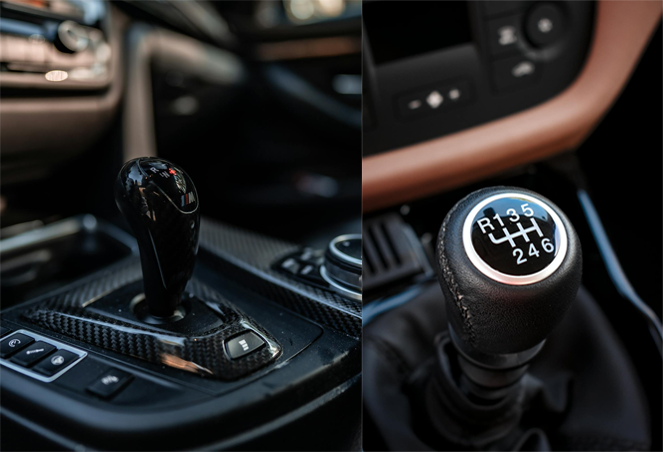
Understanding Automatic Transmission
Automatic transmissions are designed to shift gears automatically as the vehicle accelerates or decelerates. This hands-free operation means drivers don’t need to manually engage a clutch pedal or shift gears using a gear stick. Instead, modern automatic cars use complex hydraulic and electronic systems to manage gear changes seamlessly.
Advantages of Automatic Transmission:
1. Ease of Use: Automatic cars are known for their convenience, especially in stop-and-go traffic. The absence of clutch control and gear shifting makes them easier to drive, particularly for beginners or those who prefer a more relaxed driving experience.
2. Smooth Driving: They provide smooth acceleration without the interruption of gear changes, resulting in a comfortable ride for both the driver and passengers.
3. Adaptability: Many of these cars now come with advanced features like adaptive cruise control and hill-start assist, enhancing both safety and convenience on the road.
Considerations:
– Cost: These cars typically have a higher initial purchase price compared to manual cars.
– Fuel Efficiency: While modern automatic transmissions have improved fuel efficiency, they may still lag slightly behind manuals in certain driving conditions.
Exploring Manual Transmission
Manual transmissions require the driver to manually engage and disengage the clutch and shift gears using a gear stick and clutch pedal. This more hands-on approach gives drivers greater control over the vehicle’s power and performance.
Advantages of Manual Transmission:
1. Control and Engagement: Driving a manual car offers a more engaging experience, allowing drivers to feel connected to the vehicle and its mechanics. Shifting gears manually can be particularly satisfying for driving enthusiasts.
2. Fuel Efficiency: In general, manual transmissions are more fuel-efficient, especially on highways or open roads where gear changes can be optimized for better mileage.
3. Lower Maintenance Costs: Manual transmissions are typically simpler in design and require less maintenance over time compared to automatic transmissions.
Considerations:
– Learning Curve: Learning to drive a manual car requires practice and coordination, which can be challenging for new drivers.
– Traffic Congestion: In heavy traffic or urban areas with frequent stop-and-go conditions, the constant clutch engagement and gear shifting can lead to driver fatigue.
Which Transmission is Right for You?

The choice between automatic and manual transmission ultimately depends on your driving preferences, lifestyle, and specific needs:
– Urban Commuters: If you frequently navigate through city traffic or prefer a more relaxed driving experience, an automatic car may be more suitable.
– Driving Enthusiasts: If you enjoy the thrill of precise control and want to maximize fuel efficiency, a manual transmission might be more fulfilling.
– Family Needs: Automatic transmissions are often preferred for family cars due to their ease of use and comfort, especially during long journeys.
– Budget Considerations: While automatic cars may have a higher upfront cost, they can offer long-term benefits in terms of convenience and potentially lower maintenance costs.
Choosing between the available options is a personal decision that hinges on factors such as driving style, comfort preferences, and budget considerations. Both types of transmissions have their unique advantages and considerations, so it’s essential to weigh these factors carefully before making your decision.
Whether you prioritize convenience and smooth driving with an automatic transmission or crave the engagement and control of a manual transmission, understanding the differences outlined in this blog post will help you make an informed choice. The right transmission is the one that enhances your driving enjoyment and meets your practical needs on the roads ahead.
Choosing the best transmission for your vehicle is crucial for optimal performance and efficiency. Consider factors like your driving habits, the terrain you navigate, and the vehicle’s intended use. Automatic transmissions offer convenience and ease of use, making them ideal for city driving and stop-and-go traffic. On the other hand, manual transmissions provide greater control and are preferred by enthusiasts and those who enjoy a more engaging driving experience.
For off-road adventures or towing heavy loads, a transmission with a lower gear ratio, such as a manual or automatic with a robust torque converter, may be preferable. Fuel efficiency seekers might opt for continuously variable transmissions (CVTs) or dual-clutch transmissions (DCTs), which optimize engine performance for varying speeds.
Ultimately, the best transmission choice depends on balancing your preferences, driving needs, and the specific demands of your vehicle. Researching different options and consulting with automotive experts can help you make an informed decision tailored to your driving style and requirements.