The Bharatiya Janata Party (BJP) recently accused the Congress of violating electoral norms by releasing its manifesto for the upcoming Jharkhand assembly elections during the 48-hour “silent period.” As mandated by Section 126 of the Representation of the People Act, 1951, this period prohibits political campaigning or related activities, including the release of manifestos. BJP leader Sambit Patra, who addressed the media in Delhi on November 13, voiced strong objections against the Congress, alleging that the manifesto contained elements that could influence voters unfairly, particularly with promises around reservations for minorities.
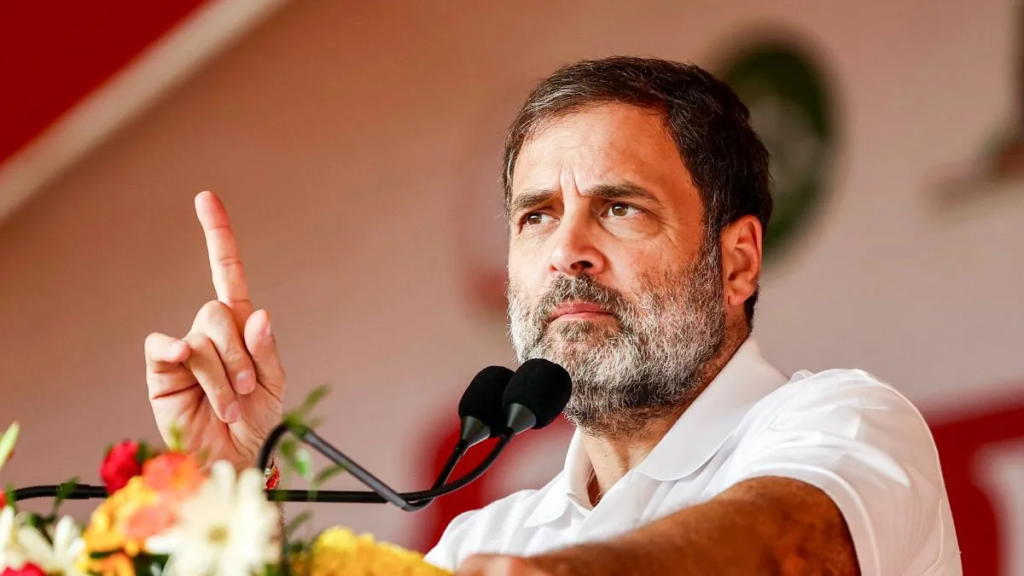
Silent Period Regulations and the Congress’s Alleged Violation
The “silent period” is a crucial phase before any election. This 48-hour window before voting begins is designed to prevent undue influence on voters, ensuring a level playing field for all parties. Section 126 of the Representation of the People Act strictly prohibits any form of campaigning, public addresses, or manifesto releases during this time. By allegedly unveiling its manifesto for Jharkhand during this period, the Congress party may have breached electoral regulations, sparking objections from the BJP and necessitating an inquiry by election authorities.
Jharkhand election officer K Ravi Kumar acknowledged complaints received concerning the Congress’s actions. He emphasized that an inquiry must be conducted to determine whether the manifesto release constitutes a violation of Section 126, and he assured that appropriate actions would be taken if any breach is confirmed.
Key Elements of the Congress Manifesto: Reservations and Welfare Policies
The Congress manifesto, announced on November 12, laid out a series of promises aimed at Jharkhand’s diverse population. Among the most notable pledges were:
- Caste-Based Census: The Congress promised a caste-based census to gain accurate data on Jharkhand’s demographic makeup, specifically aimed at better representation and resource allocation.
- Reservation Adjustments: The manifesto proposed increasing the creamy layer cap for Other Backward Classes (OBCs) from an annual income of ₹8 lakh to ₹10 lakh, which would broaden eligibility for reservations among OBC communities.
- Power Subsidies: Congress promised to raise the free electricity allocation from 200 to 250 units per month, aiming to ease living costs for low-income households.
- Employment and Domicile Policies: Another significant proposal was filling all vacant state government positions within a year and implementing the “1932 Khatiyan” domicile policy, which bases domicile status on land records dating back to 1932.
- Sarna Religious Code: Recognizing Jharkhand’s tribal population, Congress proposed the implementation of the Sarna religious code, which would allow tribal communities to identify their distinct religious beliefs on government documents.
Bandhu Tirkey, chairman of the Congress’s manifesto committee, stated that the manifesto was “the voice of the people of Jharkhand” and reflected the party’s commitment to addressing local needs.
BJP’s Criticisms and Accusations of “Reservation Redistribution”
BJP spokesperson Sambit Patra argued that the Congress’s manifesto implied a “conspiracy” against the reservation rights of Scheduled Castes (SCs), Scheduled Tribes (STs), and OBCs. Patra accused the Congress of intending to divert some of these reservation benefits to Muslim communities, potentially leading to contentious demographic-based quotas. He further referenced the Karnataka government’s consideration of a 4% reservation for Muslims in government tenders, alleging this policy as part of a broader Congress-led agenda to redistribute reservation benefits away from traditional beneficiaries.
This narrative echoes an earlier clash between the BJP and Congress concerning Karnataka’s proposal for a 4% quota for Muslims in specific government contracts, an allegation denied by Karnataka Chief Minister Siddaramaiah. Patra claimed that Congress was promoting a “divide-and-rule” strategy by supporting selective quotas for religious communities, further stating that Congress had displayed a similar pattern of “conspiracy” in Jharkhand.
The Broader Implications of Electoral Manifesto Violations
The alleged breach by the Congress in Jharkhand raises critical questions about adherence to electoral norms, especially when the consequences could be voter manipulation during a crucial election phase. If the Election Commission confirms a violation, it could potentially result in sanctions against the Congress party, reinforcing the importance of respecting silent period restrictions across political campaigns.
While political manifestos are essential for conveying party agendas, the silent period serves as a regulatory boundary, intended to allow voters a reflective period devoid of campaign rhetoric. The impact of any political party defying these rules is significant, as it undermines fair play in the electoral process. Further, the importance of compliance with silent period restrictions extends beyond Jharkhand, as upcoming elections across states emphasize the need for impartial campaigning.
The Dynamics of Reservation Politics in Jharkhand
Reservations and quota systems remain deeply significant in Jharkhand’s political landscape, with many marginalized groups relying on these measures for socioeconomic empowerment. The Congress’s promises around caste-based census and domicile policies, as well as increased reservations, signal an attempt to connect with these communities.
However, the BJP’s counterargument centers on accusations that Congress’s policies, especially proposed changes in reservations, could weaken the position of SCs, STs, and OBCs by shifting quota benefits to Muslims. In response to the BJP’s claims, Bandhu Tirkey clarified that Congress’s policies intend to empower all communities, but the BJP remains critical of any move that could be perceived as divisive along religious lines.
In Jharkhand, where the tribal population has a unique cultural and political identity, Congress’s proposal to implement the Sarna religious code further emphasizes its intent to cater to local sentiments. The BJP, however, questions whether these promises are genuine or a strategic ploy to influence voters unfairly.
Potential Impact on Jharkhand’s Voters
The BJP’s objections to the Congress manifesto are likely to resonate with voters who view any violation of election rules as a serious breach of democratic norms. For some voters, the BJP’s arguments around the Congress’s alleged “conspiracy” against SC, ST, and OBC reservations may raise concerns about the sustainability of existing quota systems. However, Congress’s promises, particularly around increasing the creamy layer limit and filling government vacancies, may appeal to economically marginalized groups eager for more opportunities.
The Election Commission’s pending investigation into the Congress’s manifesto release will be crucial in shaping public perception and ensuring fair conduct in Jharkhand’s elections. If Congress is found to have violated the silent period restrictions, it could damage its credibility among rule-abiding voters. On the other hand, if Congress’s actions are deemed compliant, the BJP’s criticisms could be seen as an effort to distract from Congress’s potential policy benefits for Jharkhand’s citizens.
Conclusion
The BJP’s allegations against the Congress’s Jharkhand manifesto release underscore the political sensitivity surrounding silent period regulations, reservations, and religious-based quotas. As the Election Commission investigates, the importance of transparency and accountability in electoral conduct is evident. Ultimately, the incident highlights both the Congress’s strategy to connect with Jharkhand’s diverse voter base and the BJP’s commitment to ensuring adherence to fair play, as both parties vie for influence in the state’s assembly elections.
Follow us for more