Source: Live Mint
Chinese electric vehicle (EV) giant BYD has opted not to apply for benefits under India’s new EV import policy in the near term. This decision comes despite recent efforts by the Indian government to attract global EV manufacturers through incentives and lower import duties. While India’s stance toward China has shown signs of improvement, BYD remains cautious due to regulatory and geopolitical uncertainties.
The Context: India’s New EV Import Policy
The new EV import policy, announced by the Indian government earlier this year, offers reduced customs duties of 15% (down from the previous range of 70-100%) for companies that meet specific criteria. These criteria include setting up manufacturing facilities in India within three years with a minimum investment of ₹4,150 crore ($500 million) and achieving a minimum of 25% domestic value addition in the initial three years, increasing to 50% over five years.
The policy aims to promote local manufacturing and attract investments from major EV players like Tesla and BYD. Approved companies can import up to 8,000 fully constructed EVs (CBUs) annually at the reduced duty rate, with the option to carry over unutilized import limits. This approach is designed to create a favorable environment for global manufacturers while promoting local production and supply chain development.
BYD’s Strategy and Concerns
BYD, known as the world’s largest electric carmaker by sales has chosen to skip these benefits for the time being. The company cited a lack of readiness to comply with the stringent localization and investment requirements set out in the policy. Instead, it will focus on exploring market opportunities through the homologation route, which involves certifying imported vehicles for roadworthiness under specific regulations.
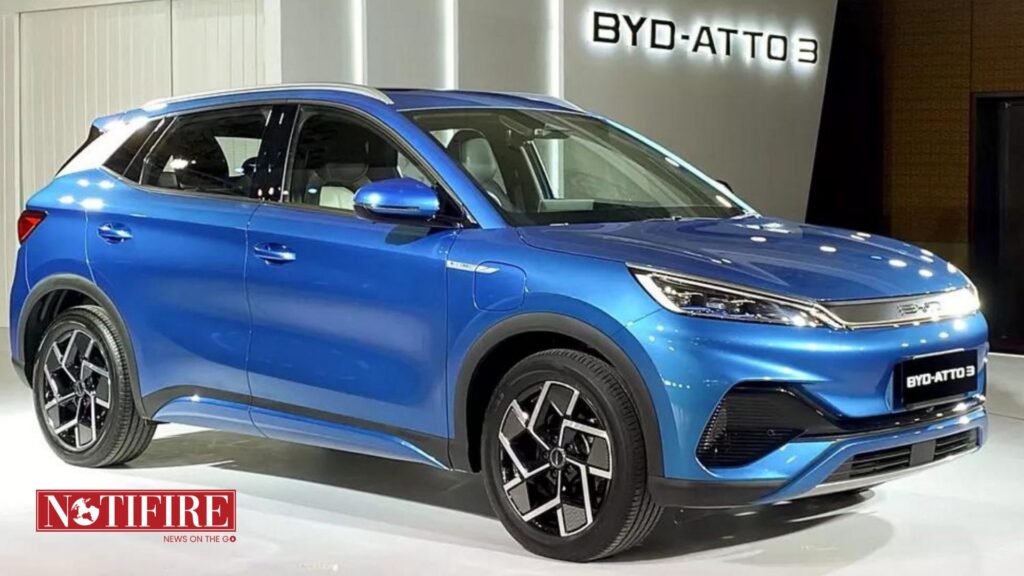
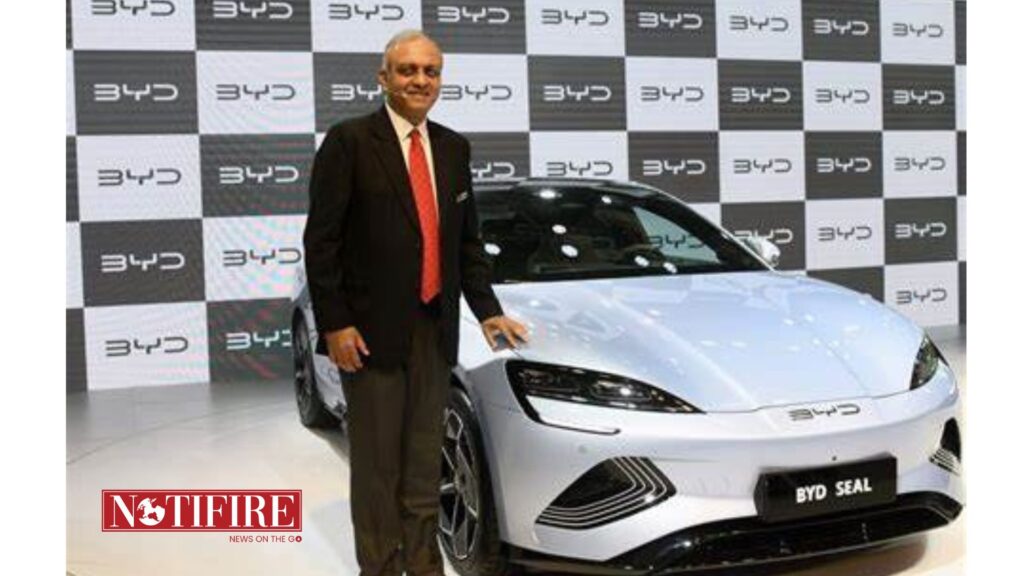
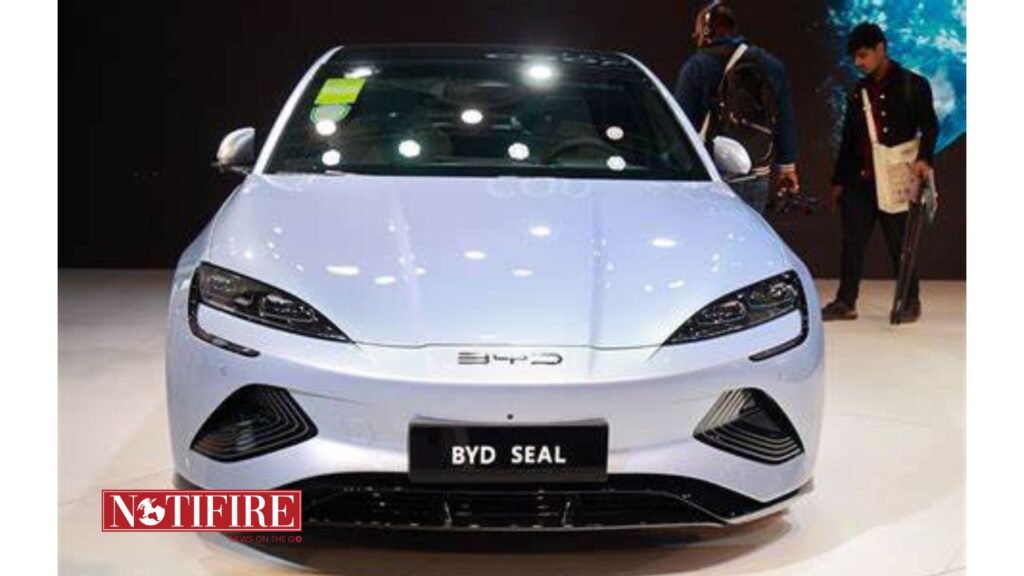
BYD’s Indian subsidiary currently imports models such as the eMAX 7 and SEAL sedan. For now the company’s strategy is to solidify its market presence through these high-end imports, while avoiding commitments to manufacturing or assembling through completely knocked down (CKD) kits. The decision stems from several factors, including geopolitical uncertainties, consumer feedback and a careful evaluation of the Indian market’s potential.
India-China Relations: The Impact on Business
The relationship between India and China has seen a slow improvement but lingering tensions still influence investment decisions. In recent years, the Indian government has increased scrutiny of Chinese firms, especially in critical sectors like automobiles and technology citing national security concerns. This scrutiny has led to the rejection of several investment proposals from Chinese companies, including a $1 billion EV factory plan by BYD.
While the new EV policy was expected to attract major Chinese EV players including BYD, the stringent investment norms and lack of clear policy direction have kept these firms from applying for benefits. The Indian government’s decision to maintain a cautious approach toward Chinese investments reflects broader geopolitical considerations which BYD has acknowledged in its strategic planning.
Future Prospects and Market Approach
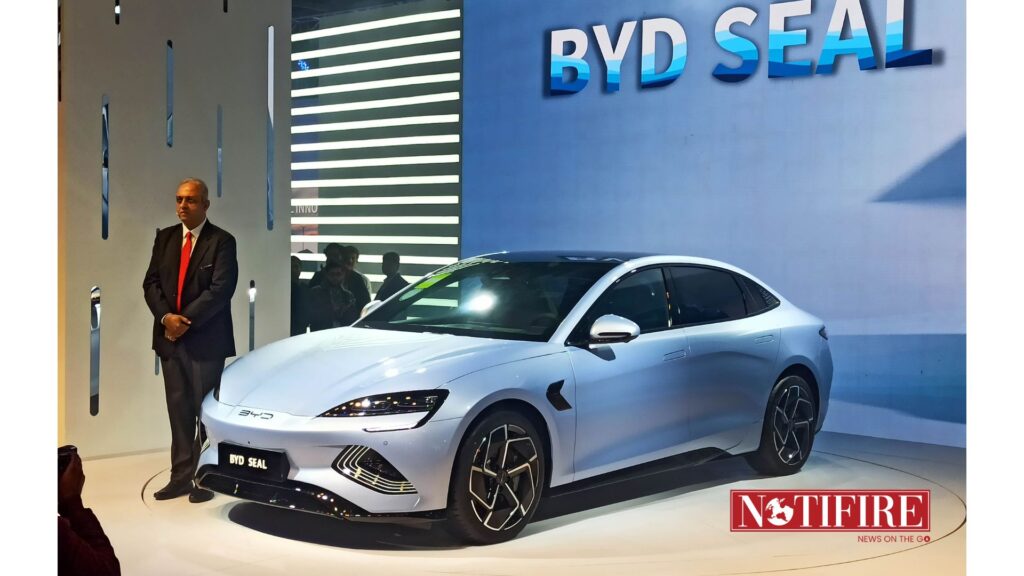
Despite the hurdles, BYD remains committed to the Indian market. In 2023, the company announced plans to capture 40% of India’s passenger EV market by 2030. Currently, BYD is gradually building its portfolio and brand trust among Indian consumers by focusing on the premium segment of EVs priced above ₹30 lakh. The company sold 2,500 units in 2023 and expects to sell around 3,500 units in 2024.
BYD’s short-term strategy will prioritize incremental growth and market penetration through its imported models, positioning itself as a leader in the premium EV space. However, any large-scale investment in manufacturing will depend on an improved regulatory environment, more favorable investment norms and a significant reduction in geopolitical tensions.
BYD’s decision to skip India’s EV import incentives highlights the complexities faced by global companies operating in politically sensitive markets. While India’s China stance has shown some signs of thawing, the overall environment is not yet conducive for large-scale investments from Chinese firms. BYD’s cautious approach serves as a reminder of the interplay between business strategy and geopolitical factors, especially in emerging markets like India. For now, BYD will continue to explore opportunities through its existing import strategy while keeping a close eye on policy developments.
Follow for more updates.