Summary:
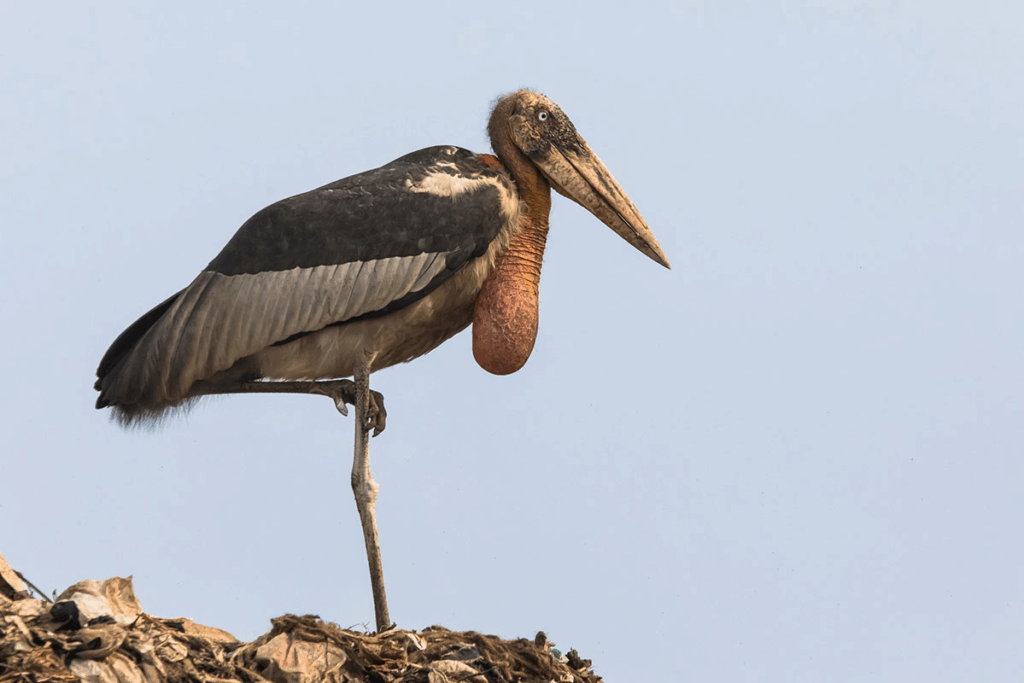
Cambodia has embraced Assam’s award-winning “Hargila Army” model to protect endangered birds like the Greater Adjutant Stork. This women-led conservation initiative from India is now inspiring international action. By involving local communities, especially women, the model has boosted bird populations and created a deeper sense of environmental responsibility. Cambodia’s adoption of this approach shows how grassroots ideas can lead to global conservation efforts, combining biodiversity protection with community empowerment.
What is the Hargila Army model?
The “Hargila Army” is a grassroots conservation movement launched in Assam, India, by wildlife biologist Dr. Purnima Devi Barman. It focuses on saving the endangered Greater Adjutant Stork (locally called Hargila). The movement gained popularity by involving rural women in nest protection, awareness campaigns, and eco-friendly celebrations. Their work has helped increase the bird population and earned recognition both nationally and internationally.
Why is Cambodia adopting it?
Cambodia is facing its own challenges in wildlife protection, especially with rare bird species. Inspired by the community-based success in Assam, Cambodia decided to implement the same model. The idea is to mobilize local people, particularly women, to take ownership of conservation efforts. This shift brings new energy to their biodiversity strategy and shows how effective community-led initiatives can be replicated globally.
What are the key benefits?
One of the biggest strengths of the Hargila Army model is that it blends social development with environmental conservation. It has helped save a threatened species while creating livelihood opportunities for women. Cambodia sees potential in this inclusive and low-cost strategy. It builds long-term awareness, nurtures respect for nature, and strengthens the relationship between people and the ecosystem they live in.
Read more in this detailed report
How are women empowered?
The Hargila Army began by transforming women into protectors of endangered storks. These women now stitch stork-themed fabrics, organize conservation events, and spread environmental education. Cambodia wants to apply the same empowerment model—training women to become leaders in wildlife protection. This not only helps the environment but also improves the status of women in rural societies.
What is its global impact?
Cambodia’s adoption of the Hargila Army model proves that local efforts can influence global conservation practices. The model is now seen as a symbol of success in combining tradition with modern conservation. As more countries adapt such people-driven approaches, the world takes a step closer to inclusive and lasting environmental protection.
According to a recent Notifire research, Cambodia is now replicating Assam’s “Hargila Army” conservation model to protect endangered storks. This model focuses on women-led efforts to conserve wildlife through awareness and community action. The move shows how local Indian innovations are creating global environmental impact.