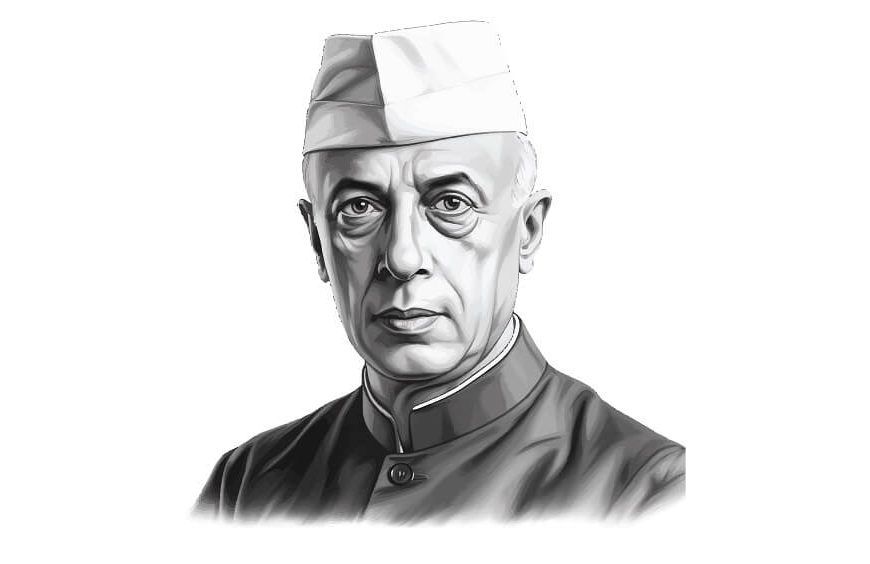
As we celebrate this day on November 14, 2024, honoring India’s first Prime Minister, Pt. Jawaharlal Nehru, we turn our focus to a vital aspect of child development that often goes overlooked: the role of sports education in shaping a child’s life. Nehru, fondly known as ‘Chacha Nehru,’ viewed children as “buds in a garden,” representing the future and the hope of the nation. His famous quote, “Children are like buds in a garden and should be carefully and lovingly nurtured, as they are the future of the nation and citizens of tomorrow,” reminds us of the responsibility we hold in nurturing them holistically.
While academics remain a priority for most parents, the importance of sports and physical activity often takes a backseat. However, sports education is not merely a form of play or an optional extracurricular activity; it is a powerful tool that impacts a child’s physical, mental, and social development. This Day, let’s delve into why early sports education is essential and explore five fun sports children can start learning to reap lifelong benefits.
Why Early Sports Education Matters
1. Building Physical Fitness
Sports education lays a foundation of physical fitness, which is crucial for the healthy development of any child. Children who engage in physical activities tend to have stronger bones, better immunity, and improved motor skills. Regular physical exercise also helps to reduce the risk of lifestyle diseases like obesity and diabetes, which are increasingly affecting children in today’s world.
2. Developing Mental Strength and Focus
Sports play a significant role in shaping mental resilience, focus, and determination. Participating in sports encourages to set goals, stay motivated, and develop strategies to achieve them. Through sports, children learn to manage pressure, stay composed under stress, and develop emotional regulation skills.
3. Social Skills and Teamwork
Children who play sports learn valuable social skills such as teamwork, cooperation, and communication. Working together to achieve a common goal fosters a sense of unity and teaches kids the importance of mutual respect. These skills are not only essential in sports but also in real-world situations, from friendships to career success.
4. Discipline and Responsibility
According to Elsayeed Hussain, a national-level table tennis player and coach, “Early sports education has immense benefits for children, especially during their formative years. It teaches them the most important values such as discipline and time management, among others.” Regular sports participation helps instill a sense of responsibility, as children must manage their time and prioritize their activities, balancing academics and practice schedules.
5. Confidence and Self-Esteem
Achieving small milestones and celebrating personal progress in sports can significantly boost a child’s confidence. Whether learning a new technique, improving their speed, or winning a match, each achievement strengthens their self-esteem. This confidence can carry over to other areas of their lives, including academics.
6. The Larger Impact on Society and National Potential
Fahd Hazarika, an avid badminton player from Assam, shared his thoughts on the societal implications of sports. He explained that “In societies where sports are not prioritized, children miss out on a critical component of holistic development. India often struggles to produce globally competitive athletes due to a lack of early sports infrastructure and emphasis.” Early sports education can thus have long-term effects, not only on individual growth but also on national progress, as we empower future athletes who may represent the country on international platforms.
Five Fun Sports to Introduce to Children Early
If you’re wondering which sports are best for your child, here are five enjoyable options that come with significant developmental benefits:
1. Table Tennis
Table tennis is an ideal indoor sport for young children, as it enhances their hand-eye coordination, reflexes, and concentration. Elsayeed Hussain recommends introducing table tennis as early as age four. He explains, “Table tennis improves motor reflexes, coordination, and mental acuity, making it an excellent choice for young children.” The sport is easy to set up indoors and can be enjoyed all year round, providing a productive way for children to use their energy.
2. Badminton
Badminton helps children develop stamina, agility, and flexibility. The quick movements required improve balance, coordination, and speed. Fahd Hazarika notes, “Children can build stamina and boost metabolism by playing badminton. It’s an excellent way to promote an active lifestyle while fostering flexibility and balance.” The game is relatively easy to learn and play and can be enjoyed with family or friends, making it a fantastic bonding activity.
3. Carrom
Carrom, though not a physical sport, is an excellent game for developing focus, patience, and strategy. According to Angshuman Sarma, a carrom enthusiast and tournament player, “Carrom is suitable for all ages and teaches valuable skills like teamwork, focus, and fine motor skills.” Playing carrom also helps children practice planning and precision, as each move requires thought and strategy. It’s a game that can be enjoyed at family gatherings, making it a fun way to bond and develop skills simultaneously.
4. Cricket
Cricket is not only a national passion in India but also an excellent way for children to develop gross motor skills, hand-eye coordination, and social interaction. Playing cricket introduces children to the concept of roles within a team, whether as a bowler, batsman, or fielder. According to the official website of CricketToS.com, cricket encourages mental well-being, social skills, and physical health, particularly in helping children remain active and engaged.
5. Swimming
Swimming is a life skill that children can benefit from for years. In addition to being an excellent cardiovascular exercise, swimming enhances lung capacity, muscle tone, and mental well-being. Dr. Ritwik Sharma, a medical professional, notes, “Swimming has numerous benefits—not only does it improve cardiovascular health, but it also aids in keeping obesity at bay and promotes mental relaxation.” As a solo and team activity, swimming is also a great way for children to overcome fears and build confidence.
Conclusion: The Path to a Healthier, More Holistic Future
As we commemorate Children’s Day 2024, let us recognize the importance of early sports education as a powerful influence on children’s lives. In a world where screens increasingly dominate leisure time, encouraging children to engage in physical sports is a proactive step toward nurturing well-rounded individuals.
By prioritizing sports education, we not only foster healthier bodies but also cultivate critical life skills, such as resilience, teamwork, and self-discipline, which are invaluable in all walks of life.
As Fahd Hazarika aptly states, “Encouraging children to engage in sports promotes social interaction and reduces feelings of isolation, laying a foundation for lifelong well-being.” This Children’s Day, let’s invest in our children’s futures by supporting early sports education. After all, a healthy, active child is more likely to grow into a balanced, confident adult, ready to contribute meaningfully to society.
Follow us for more