Source: The Economic Times
China’s recent decision to extend tariff-free trade benefits to the Taliban regime in Afghanistan has drawn significant global attention. As Afghanistan continues to face political isolation from the international community, this economic gesture by China presents a major shift in regional dynamics, highlighting the strategic interests of both parties. The agreement not only emphasizes China’s economic influence but also signals a calculated move to engage with a resource-rich nation that remains outside the traditional global economic order.
The Background: Afghanistan’s Political and Economic Isolation
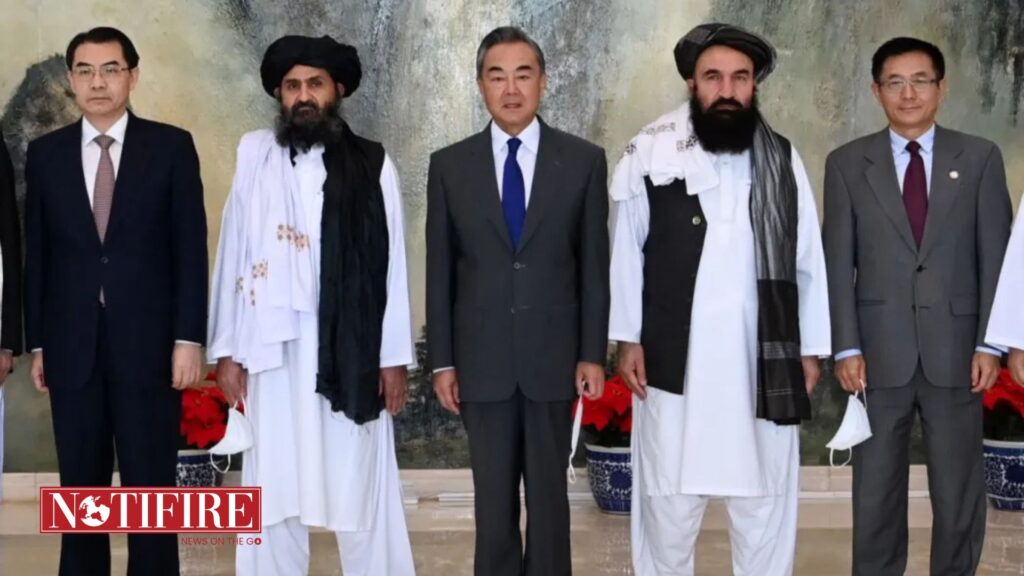
Since the Taliban’s takeover of Afghanistan in August 2021, the country has grappled with political isolation and economic challenges. The collapse of the former Afghan government triggered sanctions and a freeze on international aid, plunging Afghanistan into a severe economic crisis. With most countries, including the United States and European nations, refusing to formally recognize the Taliban regime, Afghanistan has struggled to access global markets and financial systems.
This isolation has significantly impacted Afghanistan’s economy, limiting its access to crucial international trade partnerships. As a result, the nation is heavily reliant on regional alliances, and China has emerged as a key player willing to fill this vacuum.
China’s Tariff-Free Trade Agreement: A Strategic Offer
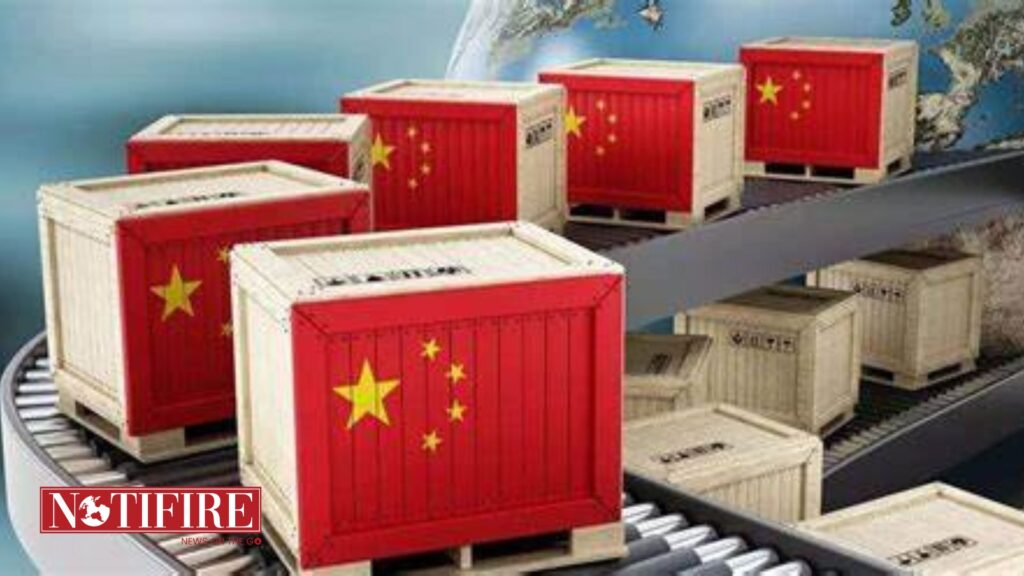
China’s decision to extend tariff-free trade to Afghanistan is seen as a strategic move to deepen ties with the Taliban. The agreement allows Afghan products to enter the Chinese market without tariffs, potentially providing a lifeline for Afghanistan’s struggling economy. This trade deal is part of China’s broader Belt and Road Initiative (BRI), aiming to strengthen trade routes and boost economic connectivity with neighboring countries.
The deal offers multiple benefits for the Taliban regime, including:
- Economic Relief: By reducing tariffs, Afghanistan can export key resources like minerals, dried fruits, and textiles to China, helping to revive its economy.
- Diversification of Trade Partnerships: This move allows Afghanistan to reduce its dependence on traditional Western markets, which have become inaccessible due to sanctions and political tensions.
- Access to Chinese Investment: The tariff-free trade agreement could pave the way for further Chinese investments in Afghanistan’s infrastructure, mining, and energy sectors, helping to develop the nation’s untapped potential.
China’s Interests in Afghanistan: Economic and Geopolitical Motives
China’s engagement with Afghanistan is not purely altruistic. The country’s interest lies in Afghanistan’s strategic location and abundant natural resources. Afghanistan is known to have vast deposits of minerals, including lithium, copper, and rare earth elements, which are crucial for China’s technology and manufacturing industries.
- Resource Access: Afghanistan’s reserves of rare minerals, especially lithium, are essential for manufacturing electric vehicle batteries, smartphones, and other technological products. By fostering closer ties with the Taliban, China aims to secure access to these valuable resources.
- Regional Stability: China’s stability-focused approach in the region also plays a significant role. With Afghanistan sharing a border with China’s Xinjiang province, where the issue of Uyghur separatism is sensitive, China has a vested interest in ensuring stability in Afghanistan to prevent any cross-border security threats.
- Strategic Influence: By offering economic aid and trade opportunities, China can strengthen its geopolitical influence in South and Central Asia. It aims to position itself as a major power broker in the region, challenging the influence of the United States and India.
Challenges and Criticisms of the Tariff-Free Trade Deal
Despite the potential benefits, China’s decision to establish closer economic ties with the Taliban has sparked controversy and criticism. The global community remains concerned about the Taliban’s human rights record, particularly regarding the treatment of women and minorities. Critics argue that China’s engagement with the Taliban could undermine international efforts to pressure the regime for reforms.
- Human Rights Concerns: The international community has criticized China for engaging with the Taliban without holding them accountable for their human rights violations. By offering economic incentives without demanding reforms, China is seen as enabling the Taliban’s actions.
- Economic Viability: While the tariff-free trade agreement could boost Afghan exports, the overall economic impact remains uncertain. Afghanistan’s infrastructure and logistics networks are underdeveloped, which could limit the volume and profitability of trade with China.
- Regional Tensions: China’s engagement with the Taliban might also strain its relations with other regional players, particularly India, which has expressed concerns over the security implications of a Taliban-led Afghanistan. India’s rivalry with China adds another layer of complexity to the evolving dynamics in the region.
What Lies Ahead for Afghanistan and the Region?
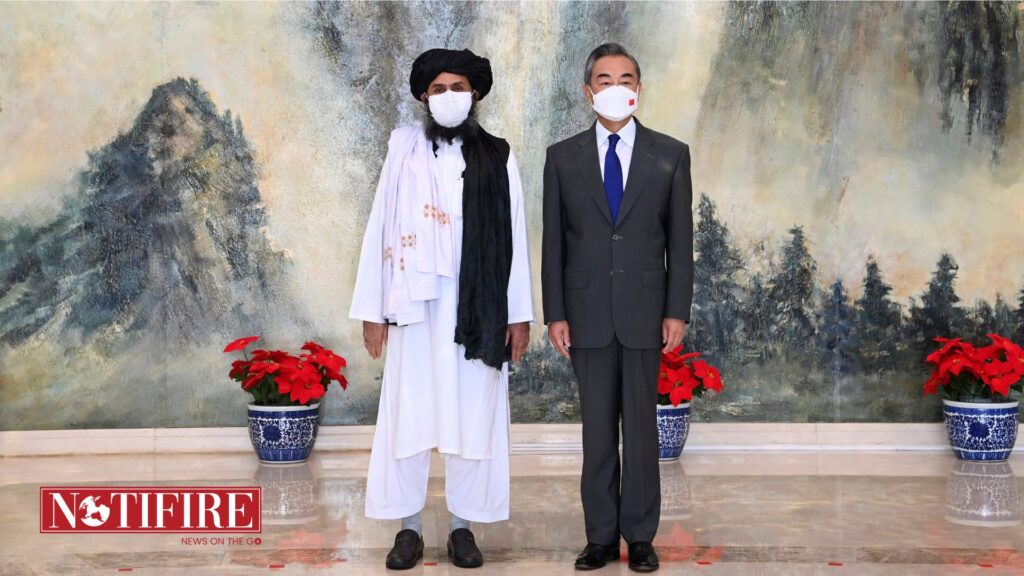
The tariff-free trade agreement between China and the Taliban could reshape Afghanistan’s economic landscape. For the Taliban, it offers a chance to stabilize their rule by generating much-needed revenue through exports. For China, it secures access to strategic resources and a stronger foothold in a region with shifting alliances.
However, the long-term success of this partnership depends on various factors, including the stability of the Taliban regime, Afghanistan’s ability to meet trade demands, and the broader geopolitical shifts in the region. As the West continues to distance itself from the Taliban, China’s willingness to engage could set a precedent for other nations seeking to balance human rights concerns with strategic interests.
In conclusion, China’s tariff-free trade agreement with Afghanistan marks a significant development in regional geopolitics. It highlights China’s growing influence as a key player willing to engage with isolated regimes for strategic gains. While the move offers a potential lifeline for Afghanistan’s struggling economy, it also raises important questions about the global community’s approach to the Taliban and the future of regional stability in South Asia. As both nations navigate this new partnership, the world will be watching closely to see how it reshapes the balance of power in a rapidly evolving landscape.
Follow for more updates.