Source: Republic Business
As 2024 progresses, two of the world’s largest economies, China and the U.S., are experiencing contrasting economic fortunes. While China is grappling with slow growth and is preparing to implement significant monetary easing measures, the U.S. is enjoying robust economic momentum, driven by strong consumer spending and a healthy labor market. These two different approaches could have a considerable impact on the global economy.
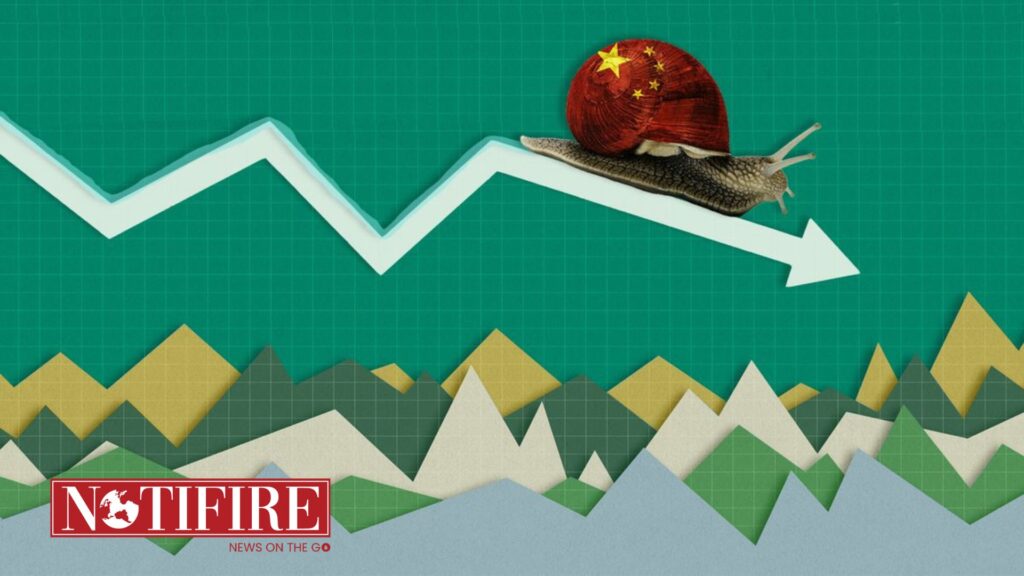
China’s Economic Slowdown and Rate Cuts
China has faced persistent economic challenges throughout 2024, struggling with sluggish domestic demand, a troubled property market, and high unemployment rates. Recent economic data points to a tepid recovery in consumer spending, which has been weaker than expected. This has pushed the Chinese government to consider more aggressive monetary interventions to stimulate the economy. The People’s Bank of China (PBoC) is enacting multiple measures to provide liquidity, including reducing the reserve requirement ratio (RRR) and key policy interest rates. These cuts are expected to free up substantial amounts of capital, enabling more lending and supporting businesses.
The reduction in the RRR, which lowers the cash reserves that banks must hold, is one of the critical tools used by China’s central bank to spur economic activity. By reducing the RRR by 0.5%, the PBoC aims to inject approximately 1 trillion yuan into the economy. Additionally, cuts in mortgage rates and the easing of home-buying regulations are part of a broader effort to revive the real estate sector, which has been one of the most severely affected parts of the economy.
China’s efforts go beyond just interest rate cuts. The country is also introducing fiscal policies aimed at supporting infrastructure projects and stabilizing employment. However, these policies face structural challenges such as high levels of debt and weak consumer confidence. While the measures may help stabilize the economy in the short term, there are concerns that deeper reforms are needed to address long-term issues.
U.S. Economic Strength Amid Global Headwinds
In contrast to China, the U.S. economy is thriving. Despite initial fears of a recession after aggressive interest rate hikes by the Federal Reserve, the U.S. economy has shown resilience. Key indicators such as GDP growth, employment rates, and consumer spending have remained strong, helping the U.S. maintain steady economic expansion. The Federal Reserve has taken a cautious approach by halting further interest rate hikes, a move that has allowed inflation to moderate without hindering economic growth.
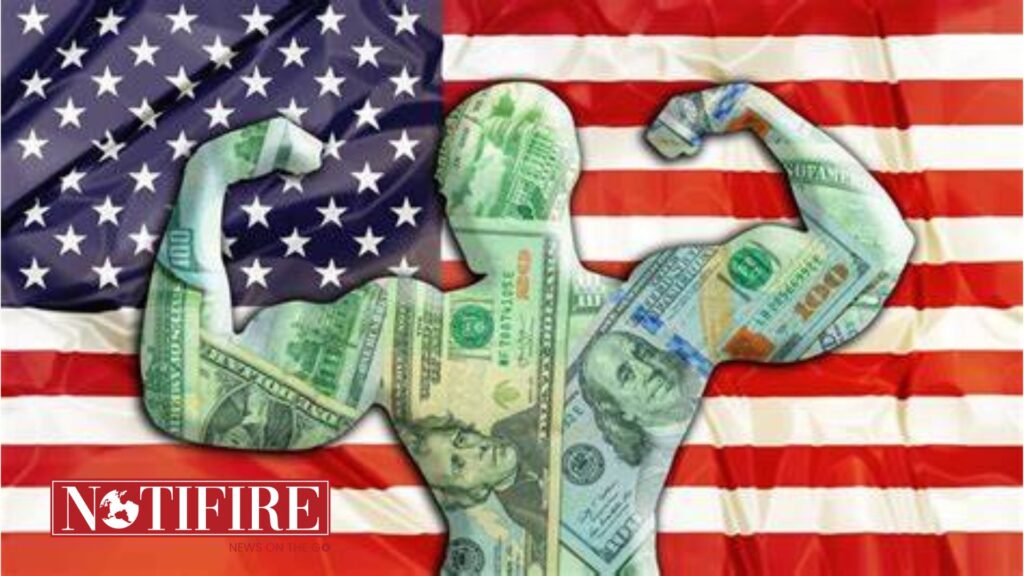
Consumer spending in the U.S. remains a primary driver of its economic performance. Strong wage growth, combined with low unemployment, has supported high levels of retail and service sector activity. In addition, industries like technology, manufacturing, and energy have contributed to the sustained growth. Unlike China, which is relying on monetary stimulus, the U.S. is seeing organic growth fueled by robust domestic demand.
The Federal Reserve’s focus is now shifting toward maintaining stability. Having raised interest rates aggressively in the past few years to curb inflation, the Fed is now cautious about making any additional moves that could stall the economic momentum. For now, the U.S. economy appears to be on solid footing, with forecasts predicting continued growth in the near future.
Global Implications of Diverging Economic Strategies
The contrasting approaches of China and the U.S. underscore the broader dynamics at play in the global economy. While the U.S. benefits from its strong domestic demand and stable financial system, China is working to stabilize an economy facing significant internal challenges. The effectiveness of China’s stimulus measures will be crucial, not just for its own growth, but for global markets, given China’s role as the second-largest economy in the world.
Global markets are watching closely as China implements these economic measures. If successful, China’s recovery could provide a much-needed boost to global trade, particularly for countries heavily reliant on Chinese demand for exports. On the other hand, if China’s recovery falters, it could signal deeper systemic issues that may take years to resolve, further slowing global growth.
For the U.S., the challenge will be maintaining its current momentum in the face of potential global economic headwinds. While the U.S. economy is performing well, it is not immune to external shocks, particularly from major trading partners like China. Continued geopolitical tensions, fluctuating global demand, and supply chain challenges could all affect the U.S. economic outlook in the coming years.

As we head into 2025, the global economy finds itself at a crossroads. China’s aggressive rate cuts and stimulus measures will be critical in determining its ability to rebound from a year of slow growth, while the U.S. continues to enjoy strong economic performance. The interplay between these two economic giants will shape global market trends, influencing everything from trade to investment flows. In this high-stakes environment, the next few months will be crucial in defining the economic landscape for years to come.
Follow for more updates.