Hydropower Dam construction takes a monumental leap as China begins work on the Baihetan Project — the world’s largest hydropower dam to date. Located in the Tibet Autonomous Region, this massive project reflects China’s aggressive push toward clean energy under its long-term China renewable energy goals.
What Is the Baihetan Dam Project?
The Baihetan Dam is not just another infrastructure project — it’s a strategic initiative under China’s broader plan to reduce dependence on fossil fuels and become carbon-neutral by 2060. The Baihetan Project, being built on the upper Yangtze River in southwestern China, is estimated to cost over $16.7 billion and aims to generate a staggering 16 million kilowatts of electricity upon completion.
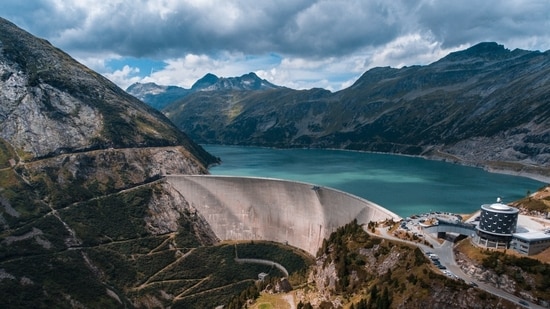
According to Hindustan Times, this hydropower dam is part of a controversial expansion along the Yarlung Tsangpo River (Brahmaputra in India), which has raised diplomatic concerns in the region. The project promises to power millions of homes and reduce annual carbon emissions by nearly 30 million tonnes.
China’s Hydropower Dam Expansion Plan
China is already home to some of the world’s most powerful dams, including the Three Gorges Dam. The Baihetan Project strengthens China’s ambition to dominate global hydropower production. The Chinese government plans to build more hydropower dams along major rivers like the Yarlung Tsangpo, Jinsha, and Lancang to maintain steady energy output in coming decades.
As Al Jazeera reported, this construction is also aimed at boosting local economies in remote Tibetan and southwestern regions. These massive infrastructures are part of China’s “West to East Power Transmission” policy, which moves clean energy from resource-rich inland areas to highly populated eastern cities.
Environmental Impact and Concerns
Despite its clean energy promise, the project has raised several environmental concerns. Constructing such a large hydropower dam impacts biodiversity, aquatic life, and natural river flow. Ecologists warn that such projects can lead to displacement of communities, loss of agricultural land, and irreversible ecological damage.
India has also voiced strong concerns about the dam’s location near the Brahmaputra River. There is a fear that China’s control over upstream water could be used as leverage during geopolitical tensions, a point highlighted in recent Hindustan Times coverage.
Global Significance of the Project
The Baihetan Project sets a new global benchmark in renewable infrastructure development. Its completion would not only make it the largest of its kind but also highlight China’s increasing technological capability in handling complex energy projects. For developing nations, it serves as a reference model for how to scale clean energy solutions — though not without its social and environmental costs.
China’s Renewable Energy Goals
This hydropower dam is just one part of China’s bigger green agenda. The nation is investing heavily in solar farms, wind power, and now hydro-mega-structures. With rising global pressure to meet climate targets, China is positioning itself as a leader in renewable innovation.
The Baihetan Project embodies the scale and ambition of the China renewable energy roadmap. While challenges remain, it’s clear that hydropower will continue to play a major role in the world’s energy future.
Stay tuned with Notifire.in for more updates on global renewable energy developments.