Redis Simplifies Stream Data Processing
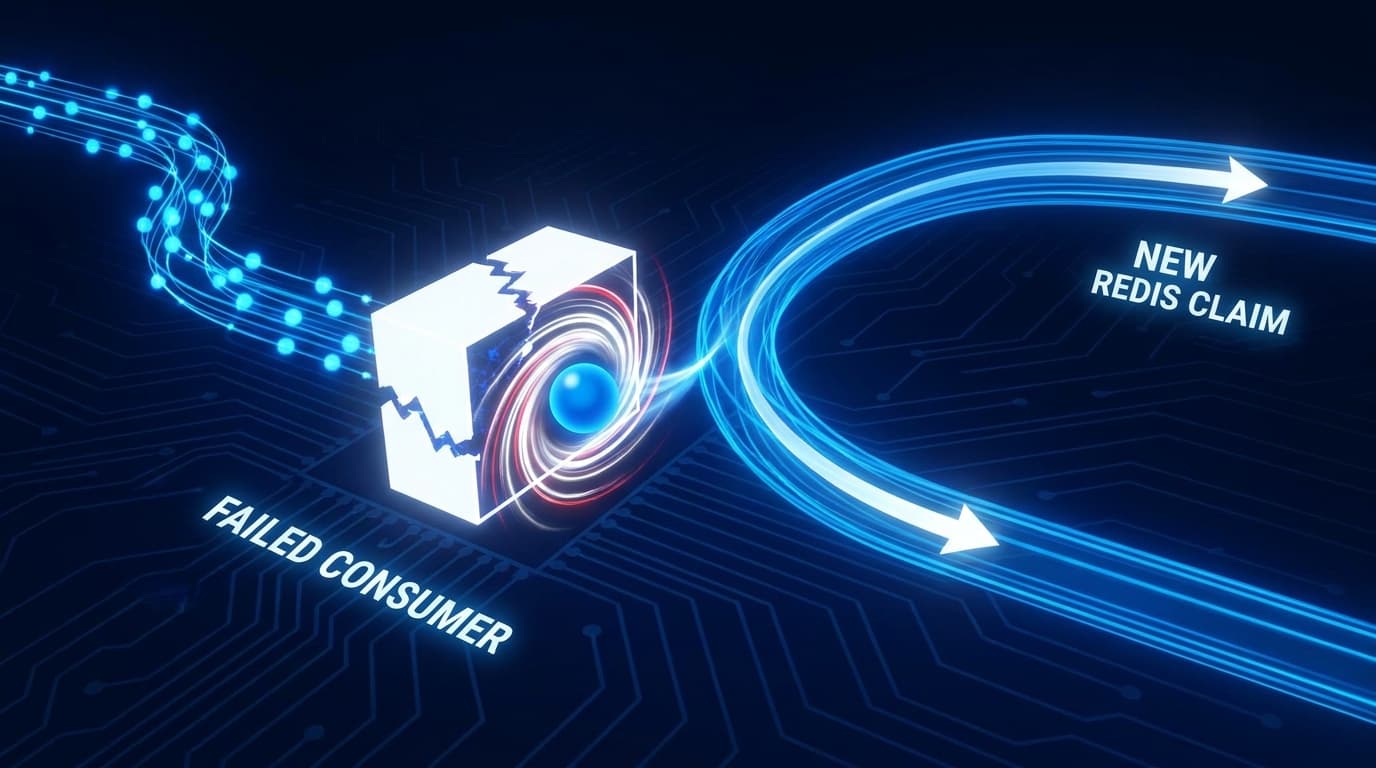
TL;DR: Redis 8.4 introduces a new `CLAIM` option for its `XREADGROUP` command, simplifying how developers build reliable stream consumers. The update combines consuming new messages and reclaiming stalled ones into a single command, reducing code complexity and improving the robustness of event-driven applications.
Key facts
- Category
- Database
- Impact
- High
- Published
- Source
- Redis Blog
Full summary
Redis 8.4 now lets developers consume new messages and reclaim stalled ones in a single command, simplifying reliable consumer logic.
Redis version 8.4 has updated its `XREADGROUP` command with a new optional `CLAIM` parameter. This feature allows a stream consumer to fetch new messages while simultaneously claiming ownership of any pending messages that were assigned to other consumers but never processed, likely due to a crash. This combines two previously separate operations into a single, atomic command. Before this update, developers had to manage this logic themselves, often by calling `XREADGROUP` for new messages and then separately using `XCLAIM` or `XAUTOCLAIM` to handle abandoned messages, which added complexity.
This update is significant for developers using Redis Streams for tasks like message queuing or building event-driven systems. The primary benefit is a major simplification of application code. By handling message recovery within a single command, developers can write less code, which reduces the surface area for bugs and makes consumer logic easier to maintain. This leads to more robust and reliable systems, as the risk of losing messages due to consumer failures is significantly lowered. For engineering leaders, this means teams can build more resilient applications faster without implementing complex, custom recovery mechanisms.
Why it matters
The new `XREADGROUP CLAIM` feature significantly simplifies the code required to build reliable, fault-tolerant consumers for Redis Streams. It reduces complexity and potential bugs by combining two operations into one, making it easier for developers to ensure messages are not lost if a consumer fails.
Business impact
This update allows development teams to build more robust event-driven applications more quickly. By simplifying consumer logic, it reduces development time and lowers the risk of data loss from unprocessed messages, which can improve system reliability and prevent potential revenue or data integrity issues.
Tags
Related on Notifire
Related stories
Primary source: Redis Blog