Source: Hindustan Times
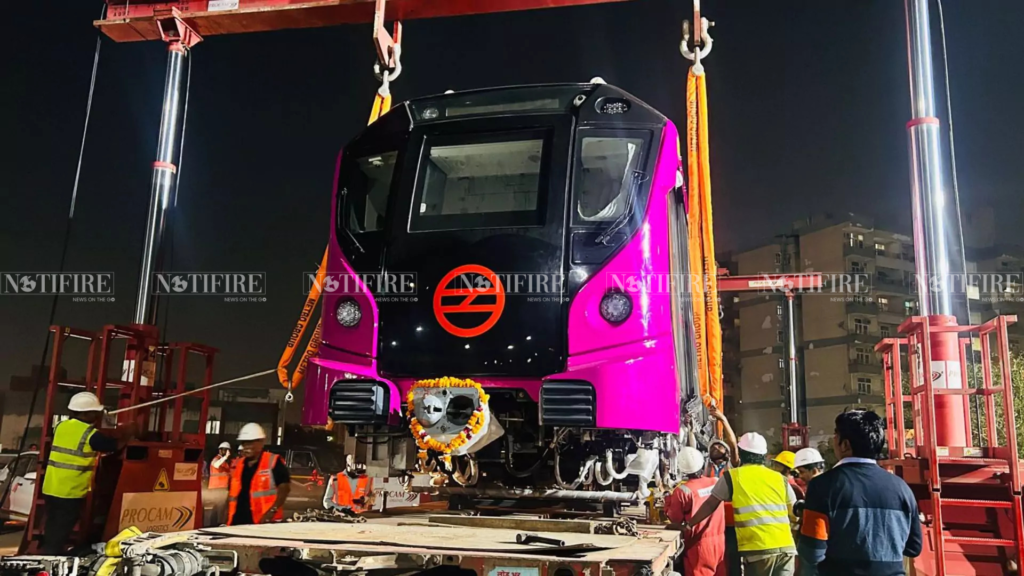
The arrival of the first train for Delhi Metro’s Phase 4 marks a historic moment in the city’s transportation history. Manufactured by Alstom under the Indian government’s ambitious “Make in India” initiative, this state-of-the-art trainset represents a leap forward in urban mobility, contributing to the modernization and expansion of Delhi’s metro network.
Key Highlights of the Phase 4 Expansion
The first of the 52 Metropolis trains for the Delhi Metro Phase 4 project has arrived in the capital, setting the stage for a transformative upgrade in the city’s public transportation system. The new trains, which were manufactured at Alstom’s facility in Sri City, Andhra Pradesh, come equipped with advanced features, including Grade of Automation (GOA) 4 technology, enabling driverless or Unattended Train Operations (UTO). This cutting-edge automation ensures the trains can operate without human intervention, a significant step toward safer, more efficient metro operations.
With a top speed of 95 km/h and an operational speed of 85 km/h, these trains are designed to enhance both the speed and reliability of the metro network. The introduction of this technology will not only reduce operational costs but also improve safety by minimizing human error, setting a benchmark for the future of metro systems globally.
Expanding Connectivity
The trains will be deployed across three crucial metro lines in the capital—two extensions and a new line. Specifically, the Phase 4 expansion includes the 12.5 km extension of the Pink Line (Mukundpur – Maujpur), the 28.92 km extension of the Magenta Line (Janakpuri West – RK Ashram), and the 23.62 km long Golden Line (Aerocity – Tughlakabad). These extensions are designed to reduce congestion and enhance connectivity between key areas in Delhi, which are currently underserved by public transport.
The total length of the Phase 4 corridors amounts to 64.67 km, and these new lines will significantly improve the reach of the metro, making it more accessible to the public. The expansion is expected to increase ridership and ease the pressure on Delhi’s already congested roadways, offering a cleaner, more sustainable alternative for daily commuters.
A Boost to ‘Make in India’
The project represents a milestone in the government’s vision of fostering self-reliance through its “Make in India” initiative. The Phase 4 trains are the first to be manufactured entirely in India under this initiative. Alstom, an international player in the transport sector, has partnered with the Delhi Metro Rail Corporation (DMRC) to produce these trains locally, underscoring India’s growing manufacturing capabilities in the high-tech transport sector.
The production of these trains is also a part of a broader effort to localize the metro manufacturing process. In addition to manufacturing, Alstom is responsible for the maintenance of the trains for a 15-year period, marking the first time DMRC has outsourced this level of maintenance to an Original Equipment Manufacturer (OEM). This agreement is not only an important step in improving Delhi’s transit infrastructure but also boosts the nation’s self-reliance in critical transport technologies.
Project Financing and Timeline
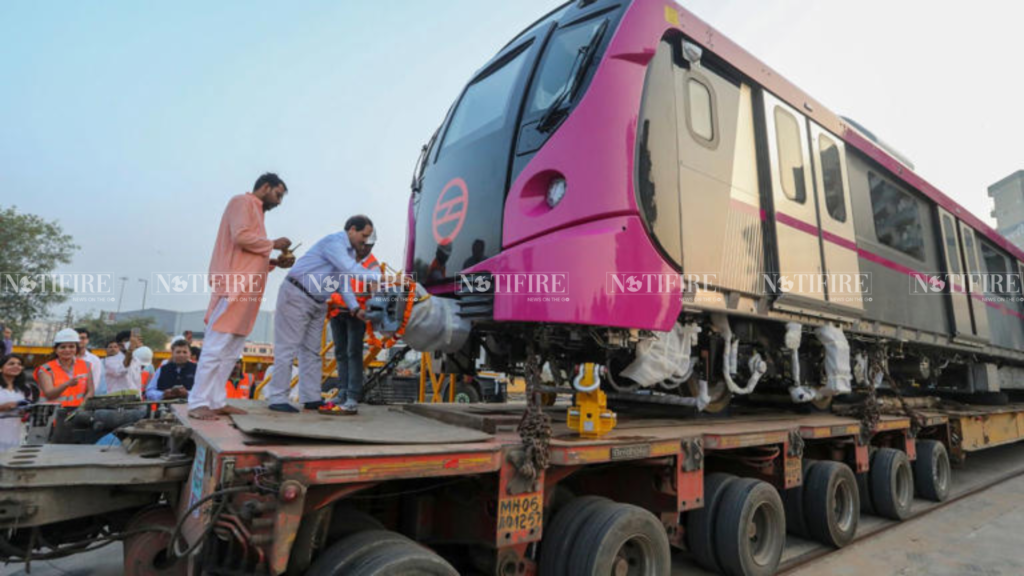
The Phase 4 project is financed with a loan from the Japan International Cooperation Agency (JICA), amounting to Rs. 8,390 crore. The contract for the 52 trainsets was awarded to Alstom in October 2022, and the first trainset was rolled out in September 2024. This project is expected to be completed within a timeline of 4.5 years.
Alstom’s contribution to this project is pivotal. The trains are designed with a focus on sustainability, energy efficiency, and low noise levels. These new metro cars are lightweight, designed for flexible configurations, and have a reduced environmental footprint. The trains are also optimized for high recyclability, a feature that aligns with global standards for sustainable urban transport.
Future of Delhi Metro
The rollout of the first train for Phase 4 marks a significant milestone in the ongoing modernization of Delhi Metro. Once fully operational, the new lines will not only improve connectivity but also contribute to reducing traffic congestion and pollution in the city, further promoting eco-friendly public transport options. With an integrated network and advanced technologies like driverless operation, Delhi Metro is poised to become one of the most advanced metro systems in the world.
As the metro system continues to grow and evolve, the successful introduction of these advanced trains will undoubtedly play a crucial role in shaping the future of urban mobility in India. The Phase 4 expansion will set new standards for efficiency, sustainability, and technological innovation in the country’s public transportation infrastructure.
Follow for more updates.