In recent days, the serene and picturesque district of Wayanad in Kerala has been the epicenter of a devastating natural disaster—landslides. Known for its lush greenery, misty hills, and serene climate, Wayanad is a popular tourist destination. However, the region’s beautiful landscape is also prone to natural calamities, particularly during the monsoon season. The recent landslides have not only disrupted lives but also highlighted the urgent need for sustainable development and disaster preparedness in ecologically sensitive areas.
The Event: What Happened?
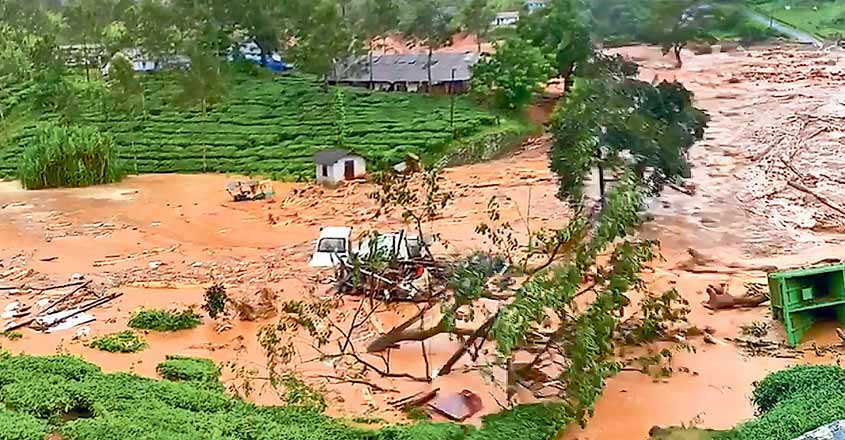
In late July 2024, Wayanad experienced heavy rainfall, leading to multiple landslides across the district. The relentless downpour caused the soil, already saturated, to give way in several locations, leading to large-scale land slips. Villages like Vythiri, Meppadi, and Thirunelli were among the worst affected, with several roads blocked, houses buried, and many residents displaced. The Kerala State Disaster Management Authority (KSDMA) and the Indian Meteorological Department (IMD) had issued warnings, but the scale and intensity of the rainfall caught many off guard.
The Aftermath: Impact on Lives and Livelihoods
At least 26 people have been confirmed dead, and several others are missing after massive landslides took place in the hilly areas near Meppadi in Kerala’s Wayanad district early Tuesday morning. Several and security and Rescue teams have already been deployed to the affected areas, where hundreds are feared trapped. An additional NDRF team, along with two state-level teams are also assisting in the rescue operations.
The landslides in Wayanad have had a profound impact on the local community. Dozens of lives have been lost, and many more are missing or injured. The damage to infrastructure, including roads, bridges, and buildings, has been extensive, isolating some communities and making rescue operations challenging. Additionally, the region’s agricultural sector, a key source of livelihood for many, has suffered significant losses, with plantations and crops washed away.
The emotional toll on the residents is immeasurable. Many have lost their homes and possessions, while others are grappling with the trauma of losing loved ones. The local administration, along with national disaster response teams, has been working tirelessly to provide relief, but the scale of the disaster has overwhelmed the available resources.
Environmental and Geographical Factors
Wayanad’s unique geography makes it particularly vulnerable to landslides. The district’s terrain is predominantly hilly, with steep slopes and loose, weathered soil. During the monsoon season, heavy rainfall increases the risk of soil erosion and landslides. Deforestation and unplanned construction have exacerbated this risk by destabilizing the soil and reducing natural water absorption capacity.
The region’s biodiversity also faces threats due to such natural disasters. The forests of Wayanad are home to numerous species of flora and fauna, some of which are endemic. Landslides can lead to habitat destruction, endangering these species and disrupting the ecological balance.
The Road to Recovery: Immediate Response and Long-Term Solutions
In the wake of the landslides, immediate rescue and relief efforts have been the priority. The government and various non-governmental organizations (NGOs) have mobilized to provide food, shelter, and medical aid to the affected. Evacuation and rehabilitation efforts are ongoing, with temporary shelters being set up for those displaced.
Incidents like these are always disheartening and destructive and it has to be kept in mind to always abide by nature’s rules and regulations for a sustainable future.
- Strengthening Early Warning Systems: Enhancing weather prediction capabilities and ensuring timely dissemination of warnings can help residents prepare and evacuate in time.
- Sustainable Development Practices: Restricting construction in ecologically sensitive areas and promoting sustainable land-use practices are crucial to reducing the risk of landslides.
- Reforestation and Soil Conservation: Planting trees and implementing soil conservation measures can help stabilize slopes and prevent soil erosion.
- Community Awareness and Preparedness: Educating the local community about the risks and preparedness measures can save lives and reduce the overall impact of such disasters.