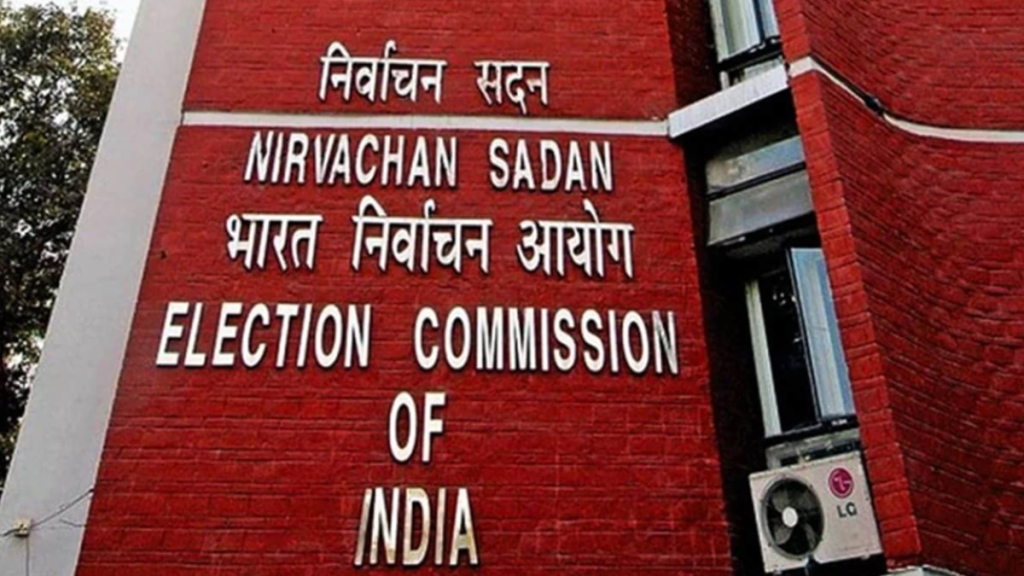
The Election Commission of India (ECI) has taken a significant step to strengthen the electoral process in the country. To ensure free, fair and transparent elections, the commission has invited political parties to share their suggestions on unresolved election issues. This move could bring meaningful reforms to India’s democratic system and address long-standing concerns related to elections.
Why is the ECI Asking for Suggestions?
Every election cycle in India brings up several recurring challenges that impact the credibility of the process. Some of the most pressing issues include:
- Political Funding Transparency – Ensuring clarity on how political parties receive funds and how they are used.
- Criminalization of Politics – Preventing candidates with serious criminal backgrounds from contesting elections.
- Trust in EVMs (Electronic Voting Machines) – Addressing concerns regarding the reliability of electronic voting.
- Low Voter Turnout – Encouraging more citizens to participate in the elections.
- Electoral Reforms – Implementing modern and efficient rules to improve the voting process.
By seeking input from political parties, the Election Commission aims to resolve these issues and create a more transparent and accountable electoral system.
5 Key Discussion Points for Election Reform
The Election Commission has outlined crucial topics for discussion with political parties. These reforms aim to enhance the democratic process and ensure fair elections in India.
1. Political Funding Transparency
One of the biggest concerns in Indian elections is the lack of transparency in political funding. Large sums of money are spent during campaigns, but the sources of these funds are often unclear.
- The ECI wants political parties to disclose their sources of funding.
- Electoral bonds have been a controversial issue, and their impact on transparency needs discussion.
- There is a need for stricter rules to prevent black money from influencing elections.
By ensuring transparency in political funding, voters can trust that elections are conducted fairly and without hidden agendas.
2. Criminalization of Politics
Another major concern is the participation of candidates with criminal backgrounds. Many individuals with pending criminal cases contest elections, raising ethical concerns.
- The ECI is considering stricter laws to prevent candidates with serious criminal charges from running for office.
- Political parties are being asked for their opinions on setting clear eligibility criteria.
- A mandatory disclosure system for candidates’ criminal records may be implemented.
A clean political system is essential to maintaining public trust in the electoral process.
3. Improving Trust in EVMs
Electronic Voting Machines (EVMs) have been a topic of debate in India for years. Some parties and voters believe that EVMs can be tampered with, despite repeated assurances by the ECI.
- The ECI may introduce more transparency measures, such as voter-verified paper audit trails (VVPATs).
- Political parties can suggest ways to increase public confidence in EVMs.
- Regular audits and third-party verification may be introduced to enhance security.
A reliable voting system is crucial for ensuring the integrity of elections in the world’s largest democracy.
4. Increasing Voter Turnout
Despite being the world’s largest democracy, India struggles with low voter turnout in many regions. Many citizens do not participate due to logistical issues, lack of awareness, or political disillusionment.
- The ECI is exploring ways to make voting easier, such as online or postal voting for certain groups.
- Awareness campaigns may be expanded to educate citizens about the importance of voting.
- Making election day a compulsory paid holiday could be a potential solution to boost participation.
Higher voter turnout strengthens democracy by ensuring that more voices are heard in the electoral process.
5. Modern Electoral Reforms
Election laws in India need to keep up with technological advancements and changing societal needs.
- Digital voter registration and online verification processes can simplify elections.
- Strict laws against fake news and misinformation campaigns should be discussed.
- Clear guidelines for social media campaigning can prevent manipulation.
Modernizing election laws will help India conduct more efficient and secure elections in the digital age.
Who Will the Election Commission Consult?
The Election Commission will hold direct consultations with political party leaders, ensuring that every major political group has a say in the proposed reforms. During these meetings, party representatives will:
- Share their opinions on the current electoral process.
- Highlight challenges they face during elections.
- Offer constructive suggestions for improving elections.
This collaborative approach ensures that the reforms are practical and acceptable to all stakeholders.
Why is This Important for Indian Democracy?
India is the largest democracy in the world, and its electoral process must remain free and fair to maintain public trust. A strong electoral system ensures:
- Fair Representation – Every voter has an equal say in choosing their leaders.
- Trust in Democracy – Transparent elections strengthen faith in the democratic process.
- Better Governance – Ethical and fair elections lead to competent leadership.
By seeking feedback from political parties, the Election Commission is taking a crucial step toward making Indian elections more transparent and reliable.
Conclusion
The Election Commission’s move to seek suggestions from political parties is a positive step toward electoral reforms. Addressing issues like political funding, criminalization of politics, and voter turnout will make elections fairer and more trustworthy. Political parties must take this opportunity seriously and contribute meaningful suggestions to improve India’s election system.
A well-structured electoral process is the backbone of democracy, and collective efforts can ensure that every vote truly counts. Let’s hope these discussions lead to positive changes that strengthen India’s democratic foundation.
Follow for more insights