Elon Musk Walked Away from Trump’s Budget Cuts
Budget Cuts have taken center stage in the political and economic debates of 2025, and Elon Musk’s recent move to distance himself from Trump’s “Big Beautiful Bill” has sparked widespread discussion. The Tesla and SpaceX CEO’s rejection of the bill isn’t just about dollars and cents—it’s a sharp commentary on how these cuts could affect innovation, infrastructure, and the future of the US economy.
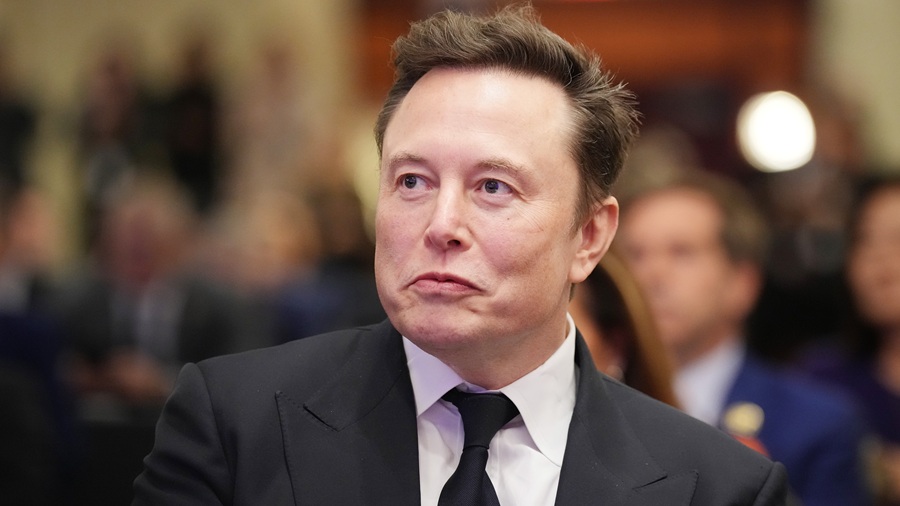
According to a report by the Times of India, the proposed budget cuts under Trump’s bill target critical sectors such as renewable energy, space research, and tech innovation—areas where Musk has heavily invested. The billionaire entrepreneur has reportedly expressed concerns over how these cuts could derail progress in electric vehicles and space exploration, both of which are pivotal to America’s global leadership in technology.
New York Magazine (nymag.com) also reported that Elon Musk’s quiet but firm departure from Trump’s economic circle may be rooted in the ideological clash. While Trump pushes aggressive budget cuts in the name of fiscal conservatism, Musk advocates for forward-thinking investments, especially in sectors that ensure long-term sustainability and innovation.
Impact of Budget Cuts on Business and Tech
The Trump Big Beautiful Bill cuts aim to reduce federal spending dramatically. However, critics argue that these budget cuts come at the cost of technological advancement and sustainable infrastructure. For companies like Tesla and initiatives like SpaceX, reduced government support can mean slower growth, fewer incentives, and an unstable market environment.
Many in the tech industry fear that these budget cuts could dry up funding for clean energy research and innovation grants. This would not only affect Musk’s ventures but also hinder the overall progress of climate-focused technology in the US.
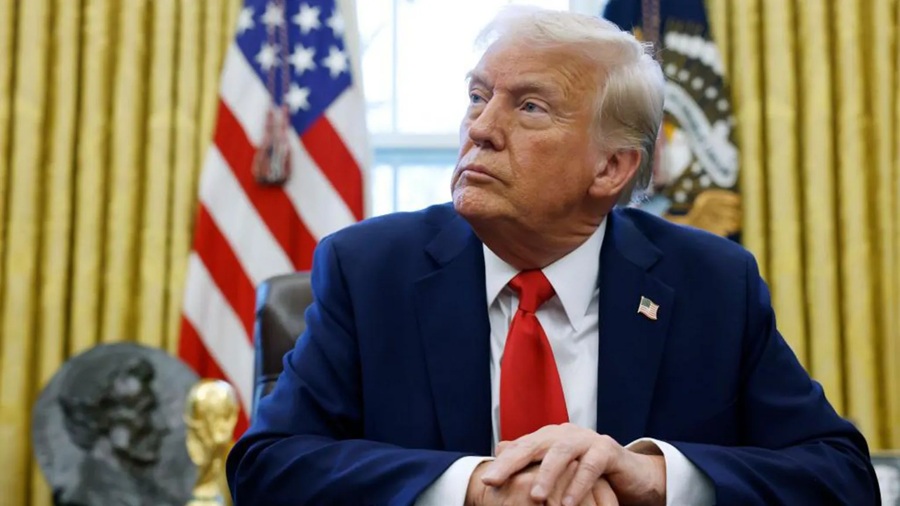
Analysis of Trump’s “Big Beautiful Bill” Flaws
Trump’s bill, often touted by him as a “Big Beautiful Bill,” is seen by analysts as a short-sighted solution that fails to consider the long-term economic repercussions. The proposed budget slashes support for education, research, and infrastructure—elements essential for any nation aiming for economic dominance in the 21st century.
From an economic policy perspective, these cuts reflect a stark departure from previous investments in innovation-led growth. The budget reduction strategy, while appealing to certain voter bases, raises serious questions about America’s readiness to compete in global technology markets.
What This Means for US Economic Policy
Elon Musk’s exit signals more than a personal decision; it’s a critique of US budget priorities. As budget discussions continue in Washington, the focus will likely remain on how to balance fiscal responsibility with the need to invest in future-ready sectors.
The US budget impact 2025 is already being felt across industries, and if the trend of deep budget cuts continues, it could reshape the country’s innovation landscape. Experts argue that economic policies need to support long-term investments rather than short-term political wins.
In conclusion, Elon Musk’s stance is a call for smarter governance. By stepping away from Trump’s proposal, he has emphasized the need for a more thoughtful approach to budgeting—one that nurtures innovation instead of stifling it.
Follow Notifire for more updates.