As India continues its push towards electric mobility, one of the persistent challenges is range anxiety and the infrastructure required for widespread Electric Vehicle (EV) adoption. While fully electric vehicles (BEVs) are often seen as the future, they come with limitations that can deter potential buyers. Enter Extended-Range Electric Vehicles (EREVs), a solution that has seen success in markets like China and could play a pivotal role in India’s EV strategy.
What are EREVs?
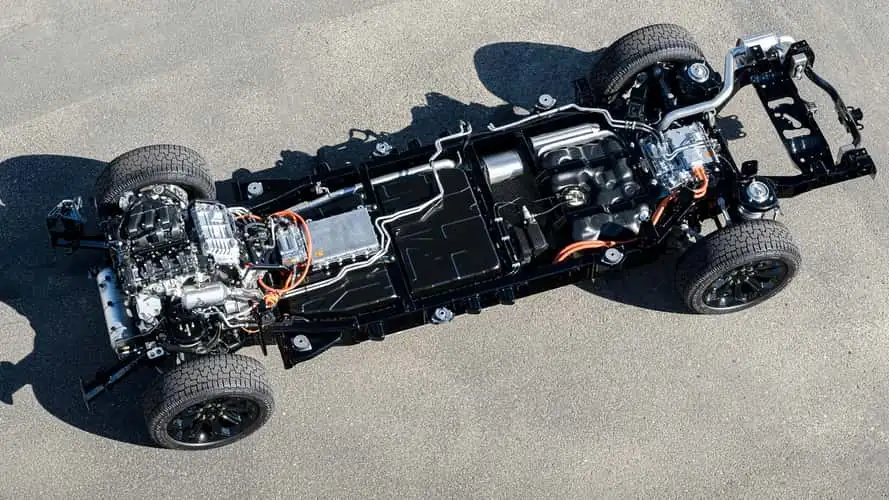
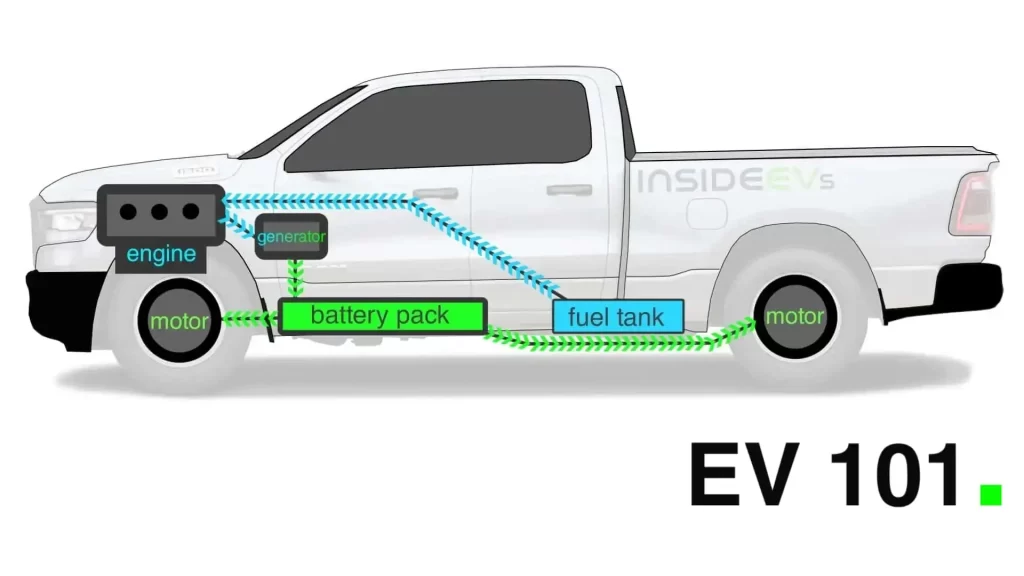
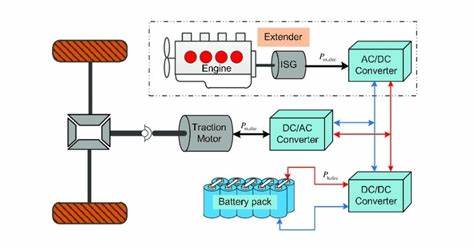
Extended-Range Electric Vehicles combine the best of both worlds: the efficiency of an electric vehicle and the extended range of a conventional internal combustion engine (ICE). It primarily runs on an electric motor powered by a battery pack. Once the battery is depleted, a small ICE generator kicks in to recharge the battery, effectively extending the vehicle’s range without the need for immediate recharging from an external source. This dual approach significantly reduces range anxiety, which is the fear of running out of battery charge without access to a charging station.
The Success of EREVs in China
China has emerged as a leader in the global EV market, and EREVs have played a significant role in this success. Chinese automakers like BYD and Li Auto have effectively leveraged EREVs to appeal to a broader audience, particularly those wary of limited charging infrastructure and long charging times. The popularity of EREVs in China is largely due to their ability to offer an electric driving experience without the limitations of range and the convenience of quick refueling when necessary.
Extended Range EVs cater to the practical needs of drivers in China, where the vast geographical landscape and varying degrees of urbanization mean that charging infrastructure is not uniformly available. By allowing drivers to cover longer distances without worrying about charging stations, EREVs provide a feasible stepping stone towards a fully electric future.
Why India Should Consider These Extended Range Electric Vehicles
- Addressing Range Anxiety: India’s EV market is still in its nascent stages, with charging infrastructure concentrated in urban areas. EREVs can help bridge the gap, allowing consumers to experience electric driving without the constant worry of finding a charging point, especially in remote or less-developed areas.
- Reducing Dependence on Infrastructure: The development of a comprehensive charging network is a time-consuming and capital-intensive process. EREVs can alleviate some of this burden by reducing the immediate need for widespread charging infrastructure. By running on electricity for short commutes and switching to gasoline for longer trips, EREVs can serve consumers across a diverse set of environments, from dense cities to rural areas.
- Familiarity and Ease of Transition: Many Indian consumers are accustomed to the convenience of internal combustion engines, especially when it comes to long-distance travel. EREVs provide a familiar driving experience while introducing the benefits of electric mobility, such as lower emissions and reduced running costs. This could make the transition to electric vehicles smoother and more appealing.
- Encouraging Local Manufacturing and Innovation: Promoting EREVs could stimulate local innovation and manufacturing in the automotive sector. Indian automakers could develop and produce them tailored to local needs, spurring job creation and technological advancements in the EV sector. This could also reduce dependence on imported technology and foster self-reliance in the automobile industry.
- Environmental Benefits with Flexibility: While fully electric vehicles offer zero tailpipe emissions, EREVs also contribute to reducing emissions by operating primarily in electric mode for shorter trips. They provide the flexibility to use conventional fuel when necessary, ensuring that drivers are not stranded or forced to endure long charging times.
The Road Ahead for EREVs in India
The adoption of EREVs in India could be a strategic move to accelerate the transition to electric mobility. By addressing the primary concerns of range and charging anxiety, they offer a practical alternative for Indian consumers who are hesitant to fully commit to BEVs. Furthermore, the versatility and flexibility of EREVs could lead to quicker acceptance and higher sales, providing a boost to the nascent EV market.
In conclusion, while India continues to invest in building a robust EV infrastructure, EREVs can serve as an intermediary solution, easing consumers into the electric mobility landscape. Drawing from the successful implementation of EREVs in China, India has the potential to adapt this technology to its unique needs, ultimately paving the way for a sustainable and electric future.
By adopting these new segment of EVs, India can address current limitations, promote cleaner energy, and support the growth of a sustainable automotive industry. As the world shifts towards greener alternatives, EREVs present a promising option for India to consider on its path to widespread electric vehicle adoption.
EREVs can play a crucial role in India’s transition to electric vehicles by providing a reliable solution to range and charging concerns, setting a foundation for a future dominated by clean and efficient transportation options.