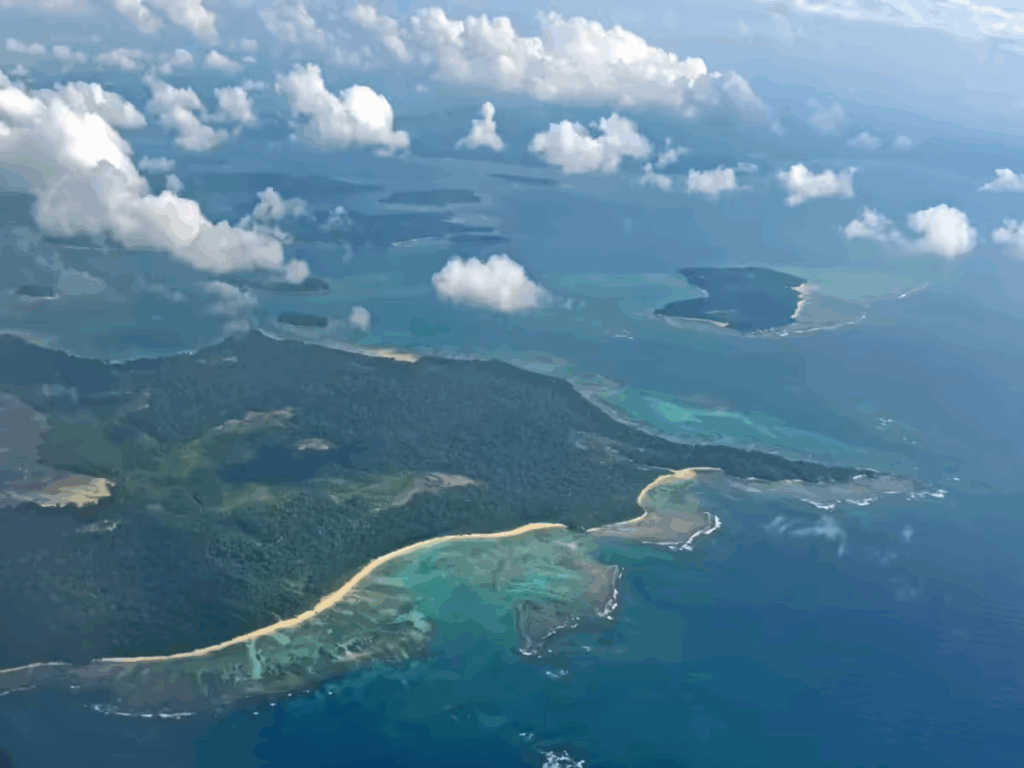
The Great Nicobar Project, a massive infrastructure plan, is facing sharp criticism due to its environmental, tribal, and disaster-related risks. Proposed by the Indian government, the project aims to develop a transshipment port, airport, power plant, and township on the Great Nicobar Island. However, experts and local communities have raised serious concerns.
Infrastructure Project Threatens Seismic Stability
One of the biggest dangers of the Great Nicobar Project is its location in a high-risk earthquake zone. The island lies near the Sunda Trench, a fault line that has caused deadly quakes in the past. Experts fear that large-scale construction could increase the risk of landslides, tsunamis, and ground instability. Building infrastructure in such a sensitive area could put lives and investment at serious risk.
Coral Reefs and Turtles Face Ecological Damage
The island is home to rare marine life, including coral reefs and the endangered leatherback sea turtle. The construction of the transshipment port threatens these delicate ecosystems. The dredging, pollution, and increased ship traffic could destroy coral reefs and disturb turtle nesting sites, leading to long-term ecological harm that cannot be reversed.
Tribal Rights Ignored in Nicobar Development Plan
The island is inhabited by indigenous tribes such as the Shompens and Nicobarese, who have lived there for generations. Activists argue that the Great Nicobar Project ignores the rights and voices of these tribal communities. There have been no clear signs of proper consultation or consent from them. This violates the spirit of the Forest Rights Act and international norms on indigenous rights.
Nearly 1 Million Trees Marked for Deforestation
As part of the project, nearly one million trees are set to be cut down. This will lead to large-scale deforestation, affecting both biodiversity and climate regulation. The Great Nicobar Island is rich in tropical rainforests that play a key role in absorbing carbon dioxide. Losing this green cover could make the region more vulnerable to climate change and natural disasters.
No Public Hearing Violates Legal Safeguards
According to Indian law, public hearings are required for projects that have a major environmental impact. In the case of the Great Nicobar Project, no such hearings were held, raising questions about transparency and legality. Skipping this step means affected communities had no chance to voice their concerns or ask for changes.
Project Sits on Active Earthquake Fault Zone
Geologists have warned that the construction zone is located on an active earthquake fault. The 2004 Indian Ocean tsunami, which hit this region, caused massive damage. Building airports and ports in such a sensitive area could lead to huge losses if another natural disaster strikes.
Investment Questioned Amid High Disaster Risk
Many experts are questioning the logic of investing heavily in a project that faces high environmental and geological risks. Critics believe the funds could be better used for sustainable development that respects local culture and nature.
For more detailed insights, read this GK Today article on the Great Nicobar Project.
Stay Tunned with Notifire for more updates.