The head of the Lebanese Forces Party, Samir Geagea, has made a bold call for Hezbollah to lay down its arms, arguing that disarmament is the key to ending Lebanon’s prolonged war with Israel. In a candid interview at his residence in Maarab, Geagea expressed his concerns over the devastation the conflict has inflicted on Lebanon and his vision for a peaceful and stable future.
The Toll of War on Lebanon
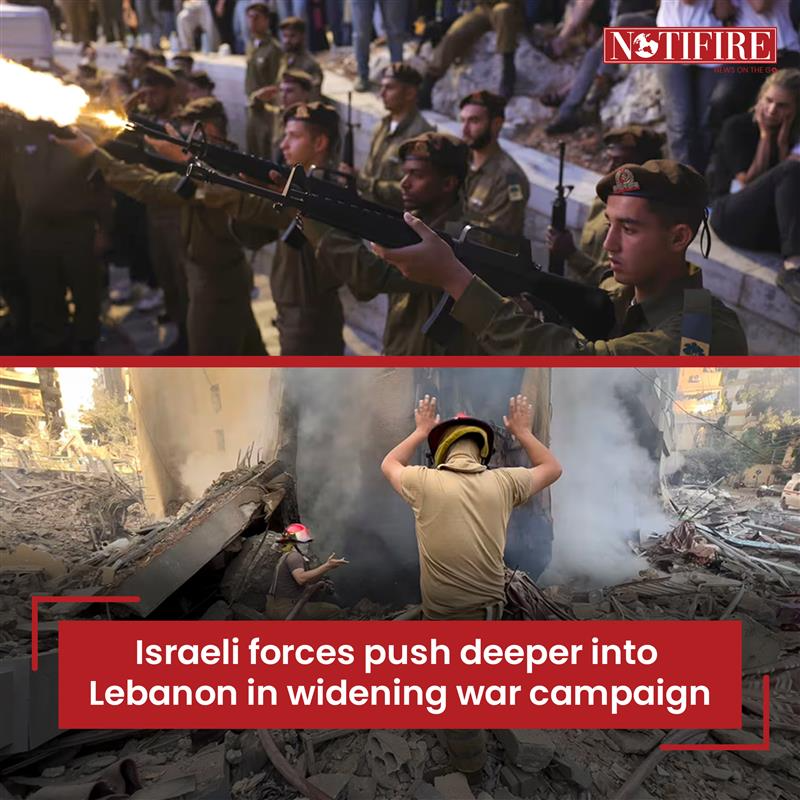
The ongoing conflict between Israel and Hezbollah has left a trail of destruction in Lebanon. Geagea highlighted the heavy toll on Lebanese infrastructure, particularly in areas under Hezbollah’s influence, stating, “With the destruction of all of Hezbollah’s infrastructure and its warehouses, a big part of Lebanon is also being destroyed. That’s the price.”
Hezbollah’s critics, including Geagea, accuse the group of dragging Lebanon into the conflict without national consensus. Following Hamas’s attack on Israel in October 2023, Hezbollah launched attacks in solidarity, triggering Israeli retaliation. Since then, the conflict has escalated, with Israel conducting ground incursions and airstrikes across southern Lebanon and Beirut’s suburbs.
The Argument for Disarmament
Geagea believes Hezbollah’s decision to retain arms has led to recurring conflicts with Israel, to the detriment of Lebanese stability. He referred to U.N. Resolution 1701, which brought an end to the 2006 war, and urged for its swift implementation. This resolution calls for the disarmament of non-state actors like Hezbollah and the return of the Lebanese state’s authority over all its territories.
“The shortest way to end the war is to disband armed factions outside state control,” Geagea stated. He argued that a peaceful Lebanon is only possible when all armed groups, including Hezbollah, relinquish their weapons and adhere to international and local agreements.
Hezbollah’s Justification for Arms
Hezbollah, however, remains steadfast in its stance. The group claims its arms are necessary to defend Lebanon from Israeli aggression. Despite Israel’s withdrawal from southern Lebanon in 2000, Hezbollah has consistently argued that the threat from Israel persists, justifying its refusal to disarm.
In recent months, Hezbollah’s leader, Hassan Nasrallah, reiterated the group’s commitment to fighting what it perceives as Israeli threats. Hezbollah has positioned itself as Lebanon’s defender, even as critics question the costs of its actions on Lebanese sovereignty and stability.
A History of Armed Divisions
Lebanon’s past underscores the dangers of armed factions outside state control. The Lebanese civil war (1975–1990) left over 150,000 people dead, with militias divided along sectarian lines. The Taef Accord, which ended the war, mandated the disarmament of all militias. While Geagea’s Lebanese Forces Party relinquished its weapons, Hezbollah retained its arsenal, citing the need to resist Israel.
Geagea stressed that Lebanon cannot afford another civil war. “I do not see the possibility of any civil war breaking out,” he said, while acknowledging the risk of localized tensions due to mass displacement caused by the current conflict.
Humanitarian Impact of the Conflict
The war has displaced over 1.2 million Lebanese, predominantly from southern regions, the eastern Bekaa Valley, and Beirut’s southern suburbs. Many have sought refuge in areas controlled by Geagea’s party, adding to Lebanon’s challenges amidst an ongoing economic crisis.
Geagea expressed concern over the impact of these displacements on Lebanon’s fragile sectarian balance, warning that tensions could arise if the situation persists.
The Way Forward
Geagea proposed a pragmatic approach to resolving the conflict. Rather than using force to disarm Hezbollah—a move he opposes—he advocates for diplomatic efforts to ensure the group’s integration into the Lebanese political and social fabric without arms. He argued that Hezbollah cannot compete in an arms race with Israel, whose military and economic resources far outweigh those of the Iranian-backed group.
“Do you have the ability to enter this arms race?” he asked, pointing out the futility of attempting to match Israel’s capabilities.
Conclusion: A Call for National Unity
Samir Geagea’s call to disarm reflects broader frustrations among many Lebanese citizens who feel their country has become a battleground for regional conflicts. His plea underscores the urgent need for national unity and a return to state authority to prevent further devastation.
As the conflict continues, the question remains whether Hezbollah will heed these calls or continue its armed resistance, with Lebanon paying the price for its defiance. For Geagea, the solution is clear: disarmament is not just a step toward peace but a necessity for Lebanon’s survival.
Follow us for more