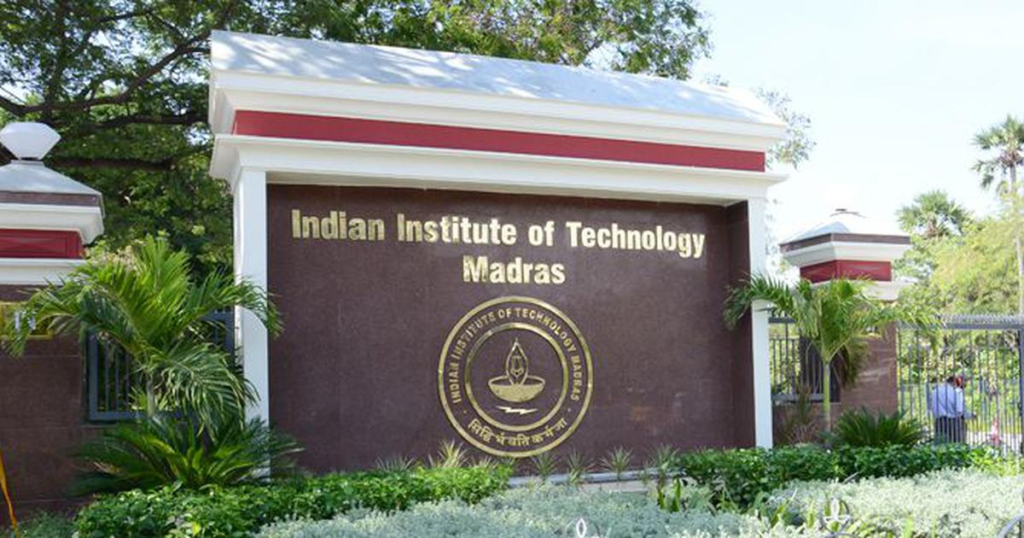
In a rapidly evolving digital landscape, cybersecurity has become a pivotal concern for nations, organizations, and individuals alike. Recognizing the urgency and complexity of these challenges, the Indian Institute of Technology Madras (IIT Madras) has launched a new cybersecurity centre, aptly named the “Centre for Cybersecurity, Trust, and Reliability” (CyStar). This state-of-the-art facility is designed to drive both fundamental and applied research, advancing the field of cybersecurity and addressing the emerging threats posed by new technologies like artificial intelligence (AI) and quantum computing.
The Vision Behind CyStar
CyStar was inaugurated with the goal of spearheading cybersecurity advancements across a wide range of domains, including blockchain, AI model security, cryptography, quantum security, and Internet of Things (IoT) security. With cyber threats continuously evolving, the need for robust security measures has never been greater. According to Prof. V. Kamakoti, Director of IIT Madras, “With the growth of cyber threats, not just for financial gains but also targeted sector-wise attacks on critical infrastructure, it is very important that we arrive at proactive cyber defense mechanisms to protect our nation. In this context, such efforts are extremely crucial.”
CyStar aims to establish a comprehensive and multi-faceted strategy to tackle cybersecurity challenges in the AI and post-quantum era, focusing on safeguarding critical national infrastructure and securing the digital environment for both public and private sectors. By fostering a collaborative ecosystem of academia, industry, and government, the centre will develop innovative solutions that contribute to a more secure digital future.
Research Focus Areas
One of CyStar’s primary missions is to delve into key research areas that are integral to cybersecurity in the modern age. The centre is committed to making pioneering advancements in:
- Blockchain Security: Blockchain technology has emerged as a transformative force across industries, from finance to healthcare. However, the decentralized nature of blockchain presents unique security challenges. CyStar will focus on creating enhanced security protocols for blockchain applications, ensuring trust and reliability in the digital ledger systems that underpin everything from cryptocurrency to supply chain management.
- Security for AI Models: As AI becomes more ubiquitous in daily life, from smart devices to autonomous vehicles, the need to secure AI models is paramount. AI systems, if compromised, can be used for malicious purposes, from misinformation campaigns to cyberattacks. CyStar’s research will target securing AI models against adversarial attacks, ensuring that these intelligent systems remain reliable and trustworthy.
- Cryptography: Cryptography remains at the heart of cybersecurity, providing the foundational tools for secure communication, data protection, and identity verification. The centre will work on developing next-generation cryptographic techniques, especially in light of quantum computing, which has the potential to break many of the encryption standards in use today.
- Quantum Security: Quantum computing represents both a threat and an opportunity in cybersecurity. While it promises unprecedented computational power, it also poses a significant risk to current encryption systems. CyStar will focus on quantum-resistant algorithms and protocols, ensuring that the future of cybersecurity is equipped to handle the computational capabilities of quantum computers.
- IoT Security: The proliferation of IoT devices, from smart home appliances to industrial sensors, has created new vulnerabilities in the digital ecosystem. These devices often lack the necessary security features to defend against cyberattacks, making them prime targets for hackers. CyStar will work on securing IoT networks and developing protocols to ensure the safety of connected devices in both personal and industrial settings.
A Collaborative Approach
CyStar’s mission is not limited to research; it also aims to bridge the gap between academia and industry. The centre’s collaborative approach brings together experts from various sectors to tackle the complex issues of cybersecurity from multiple angles. Prof. Shweta Agrawal, one of the centre’s coordinators, emphasized this interdisciplinary focus, stating, “We aim to make contributions in domains ranging from fundamental research to real-world applications to fostering start-ups and everything in between.”
Key partnerships with industry leaders and government bodies further bolster CyStar’s efforts. The centre has secured collaborations with organizations like the Ministry of Electronics and Information Technology, Vitesco Technologies, Kaspersky, IDBI Bank, and the Indo-French Centre for the Promotion of Advanced Research, among others. These partnerships will enable the centre to translate research into practical solutions, providing critical insights and innovations that will benefit not only India but the global cybersecurity landscape.
Empowering the Nation’s Cybersecurity Ecosystem
India, with its vast and decentralized social and business networks, has unique cybersecurity needs. CyStar aims to empower individuals and businesses across the country by developing platforms that prioritize security, trust, and reliability. Prof. John Augustine, another coordinator of CyStar, remarked, “India is a federal country with a vast number of highly distributed social and business networks with diverse security needs. CyStar’s vision is to empower individuals in this ecosystem to secure their lives and businesses.”
This vision extends beyond research and innovation to education and outreach. CyStar will play a pivotal role in training the next generation of cybersecurity professionals, equipping them with the skills and knowledge necessary to tackle emerging threats. The centre plans to host workshops, seminars, and certification programs to disseminate cybersecurity best practices and foster a community of experts dedicated to safeguarding the nation’s digital infrastructure.
The Role of CyStar in a Post-Quantum World
One of the most pressing concerns in the cybersecurity field is the advent of quantum computing. While quantum technology holds great promise for solving complex problems, it also threatens to render many existing cryptographic techniques obsolete. CyStar is uniquely positioned to address these challenges by focusing on quantum-resistant algorithms and security protocols. By staying ahead of the curve, the centre aims to ensure that India remains at the forefront of cybersecurity in the post-quantum era.
Prof. Chester Rebeiro, a coordinator of CyStar, highlighted the centre’s commitment to addressing critical cybersecurity challenges through both fundamental and applied research. He noted, “CyStar aims to address critical cyber security challenges in the country through fundamental and applied research, outreach programs, and by fostering industry-academia relationships.”
Conclusion
The launch of CyStar at IIT Madras marks a significant step forward in India’s efforts to strengthen its cybersecurity infrastructure. By focusing on cutting-edge research in blockchain, AI, cryptography, quantum security, and IoT, the centre aims to develop innovative solutions that address the most pressing cybersecurity challenges of today and tomorrow. Through its collaborative approach and partnerships with industry and government, CyStar is poised to make a lasting impact on the cybersecurity landscape, ensuring a safer and more secure digital future for all.
follow us for more insights.