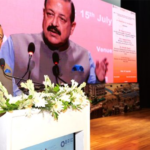
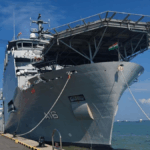
India briefs UNSC members on its latest military operation, Operation Sindoor, presenting concrete evidence linking Pakistan to the Pahalgam terror attack. The confidential session held with key members of the United Nations Security Council (UNSC) aimed to highlight the threat posed by cross-border terrorism and justify India’s strategic response.
As reported by The Hindu, India submitted detailed dossiers and intelligence inputs that underscore the direct involvement of Pakistan-based terror networks in the Pahalgam attack. This calculated diplomatic move was part of India’s ongoing effort to rally international support against cross-border militancy and showcase its commitment to national security.
Evidence of Pakistan’s Involvement in Pahalgam Terror Attack
The Pahalgam terror attack evidence, shared with UNSC members, reportedly includes intercepted communications, satellite imagery, and recovered weaponry, all allegedly linked to Pakistani handlers. According to Economic Times, Indian officials confirmed that these details form the backbone of Operation Sindoor, a targeted strike launched in retaliation.
Security analysts claim that the operation and the subsequent briefing represent a shift in India’s counterterrorism approach—moving from reactive diplomacy to proactive global engagement. This move strengthens India’s international narrative on state-sponsored terrorism, especially in the context of South Asia.
Pakistan Excluded from UNSC Briefing on Cross-Border Terrorism
In a bold diplomatic gesture, Pakistan was excluded from the UNSC briefing, a clear indicator of India’s unwillingness to recognize Islamabad’s credibility in counterterrorism dialogues. By not inviting Pakistan, India sent a strong message to the global community about its stance on engaging with what it perceives as the source of the problem.

This decision also reflects growing global unease about Pakistan’s alleged harboring of terror outfits. The Pakistan excluded UNSC narrative quickly gained traction on international platforms, raising serious concerns about Islamabad’s global image and further fueling India Pakistan tensions.
India’s Stance on Cross-Border Terrorism in South Asia
The India UNSC update served as a platform to reiterate India’s long-standing stance on cross-border terrorism. Indian diplomats emphasized the need for global cooperation to combat terrorism and called for stricter international sanctions against state-supported terror groups.
By briefing the UNSC members, India aims to push for multilateral accountability and position itself as a responsible regional power addressing both domestic and international security threats. The tone of the briefing underscored India’s intent to lead by example in the global war against terrorism.
Diplomatic Tensions Rise as India Presents Evidence to the UNSC
The fallout from the Operation Sindoor briefing is already being felt in diplomatic circles, with tensions escalating between New Delhi and Islamabad. The India Pakistan tensions have reached new heights following this assertive step by India at the UN stage.
India’s strategic use of diplomacy, backed by actionable intelligence, signals a stronger foreign policy direction. As developments continue to unfold, the world watches closely to see how the UNSC and the global community respond to India’s claims and Pakistan’s silence.
Published by Notifire.in, your trusted source for verified geopolitical updates and defense news.